


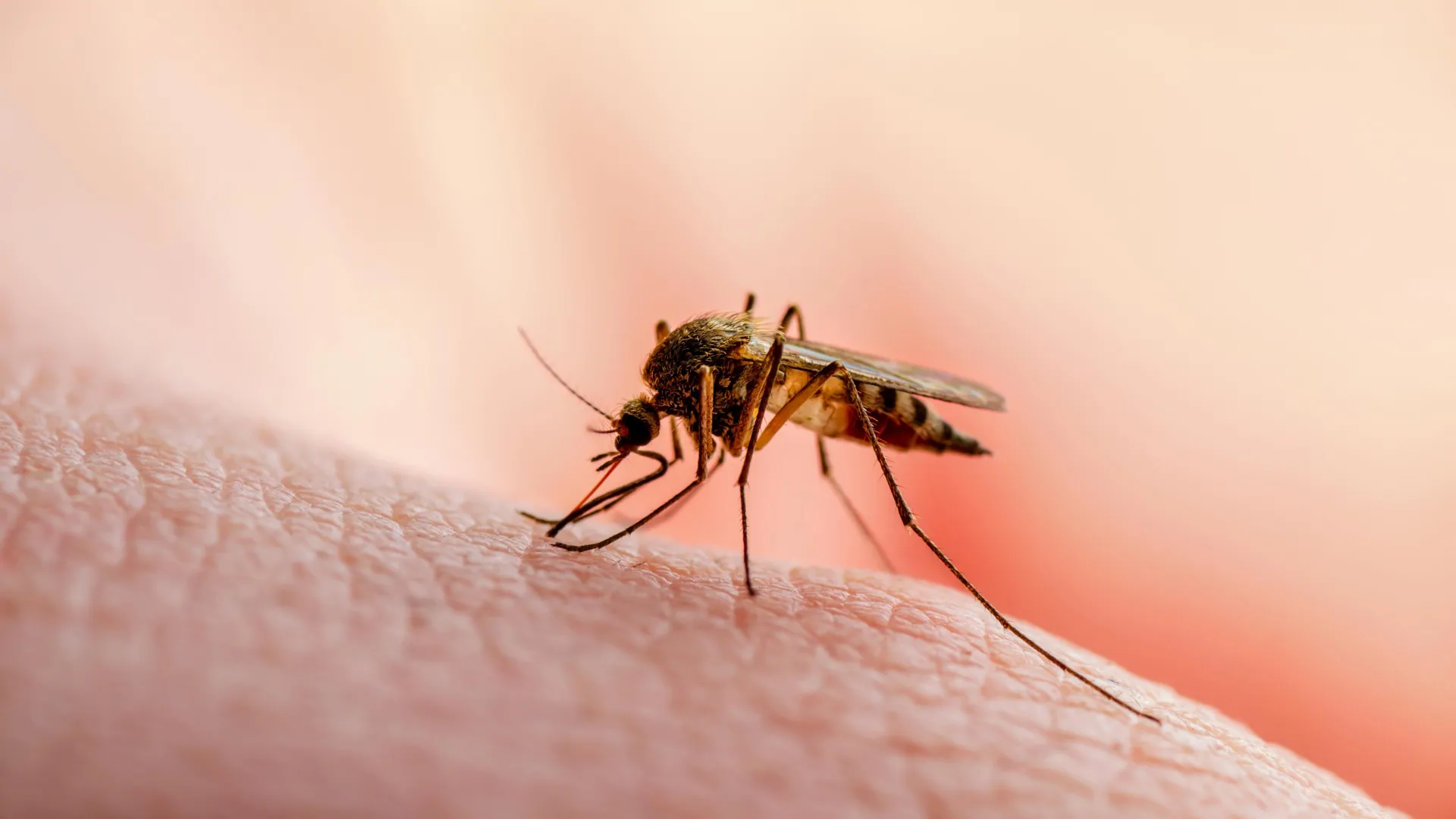
Researchers from several international organizations have revealed new details about how the malaria parasite grows and spreads. Their research has identified specialized proteins required by the parasite to survive and move between hosts, making it a promising target for future antimalarial drugs.
The discovery focuses on a molecule known as Aurora-associated kinase 1 (ARK1). In a study published in nature communicationsCollaborators at the University of Nottingham, the National Institute of Immunology (NII) in India, the University of Groningen in the Netherlands, the Francis Crick Institute, and others have discovered that ARK1 acts like a cellular traffic controller during abnormal parasite growth and division.
Understanding malaria parasite growth
Malaria continues to rank as one of the deadliest infectious diseases worldwide. The cause is as follows malaria parasite A parasite that multiplies rapidly within the bodies of both human hosts and mosquitoes. Knowing how these parasites divide and reproduce is important to finding ways to stop the disease.
Malaria parasites divide in a very different way than human cells. Instead of following the typical patterns found in human biology, more unusual and complex methods of growth are used. The researchers discovered that ARK1 plays a central role in organizing the mitotic spindle, a cellular structure that separates genetic material so that new parasite cells can form.
Disabling ARK1 stops parasite development
When scientists disabled ARK1 in the lab, parasite development immediately stopped. Without the protein, the parasite cannot build a proper mitotic spindle and cannot divide properly.
As a result, the parasite is no longer able to continue its life cycle. They were unable to fully develop either within the human host or inside the mosquito, effectively interrupting the chain of transmission that allows malaria to spread.
“The name ‘Aurora’ refers to the Roman goddess of the dawn, and we believe this protein truly heralds a new beginning in our understanding of malaria cell biology,” said the study’s lead author, Dr Ryuji Yanase from the School of Life Sciences at the University of Nottingham.
Potential targets for new malaria drugs
Because the malaria parasite moves through various stages in both humans and mosquitoes, understanding its biology requires collaboration between many research groups.
”malaria parasite Divided through different processes in the human and mosquito hosts, this is a true team effort that allowed us to recognize the role of ARK1 in the two hosts almost simultaneously, shedding light on new aspects of parasite biology,” said Anu Nagar and Dr. Pushkar Sharma from the Biotechnology Research and Innovation Council (BRIC)-NII, New Delhi.
The researchers are particularly encouraged by how different the parasite’s ARK1 system is from the equivalent protein found in human cells.
“What makes this discovery so interesting is that the malaria parasite’s ‘Aurora’ complex is very different from that seen in human cells. This difference is a huge advantage,” Professor Tewari added. “This means we may be able to design drugs that specifically target ARK1 in the parasite, turning off malaria without harming patients.”
By revealing how this unusual molecular mechanism operates, this study provides a clearer roadmap for developing drugs that disrupt the parasite’s life cycle and ultimately prevent malaria transmission.
