



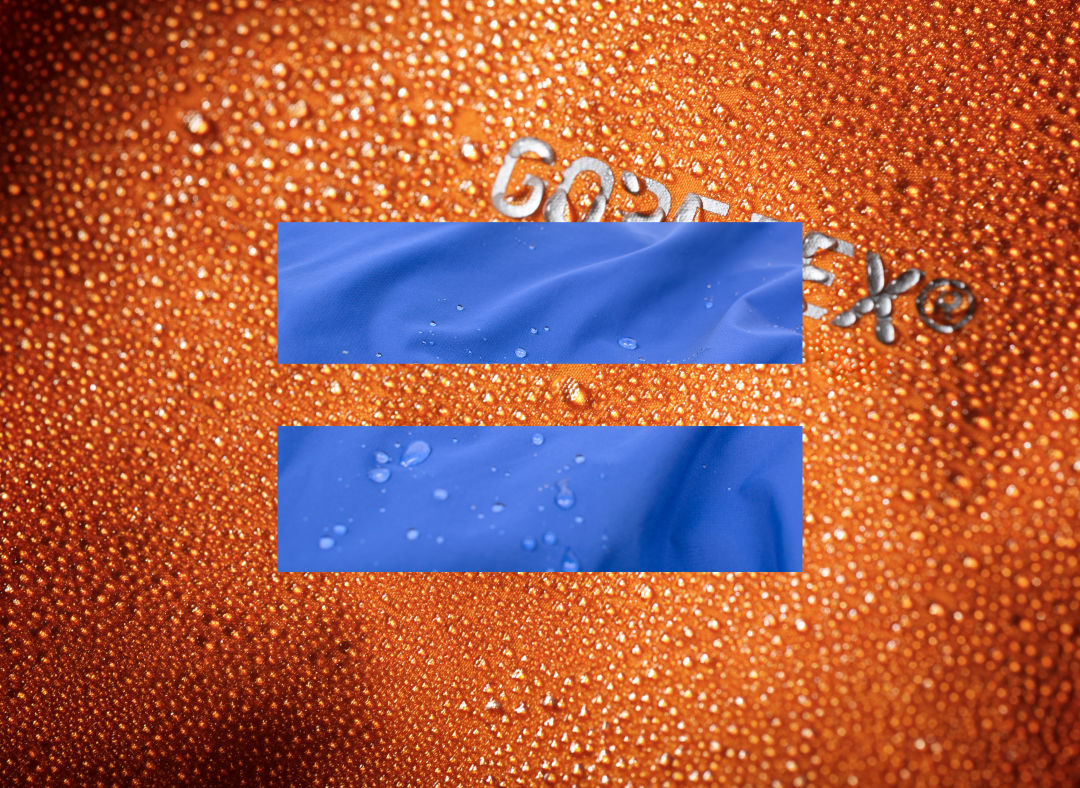
If flannel is from Seattle A rain jacket with a signature style is a practical necessity. Here, people own multiple waterproof top layers and sometimes rain pants as well. So what happens when Gore-Tex and other waterproof materials become illegal?
Thank you New York and California. Starting in January 2025, both states will ban the sale of clothing containing per- and polyfluoroalkyl substances, known as PFAS. (As the EPA conservatively puts it, exposure to the chemicals “may have adverse health effects.” It’s also bad for the environment.) But those PFAS are what made Gore-Tex water repellent.
It’s not just Gore-Tex. While the Gore-Tex brand name is often popularized in the outdoor world as Kleenex and Xerox for rain protection, there are many materials that function as waterproofs and offer a variety of flexibility, breathability, and cost benefits. Think waterproof clothing lines like Patagonia’s H2No or The North Face’s DryVent. Everything about PFAS had to change.
“It was kind of a learning period for the industry,” said Charlie Berg, senior product manager for outerwear at Seattle-based Outdoor Research. “It took time for the industry to work with new chemicals and learn how to optimize them.” Like other gear manufacturers, OR has been updating its rain jackets, waterproof gloves, ski bibs, and more with non-PFAS fabrics and coatings in recent seasons. And these new, greener versions aren’t necessarily less effective, he says, just different.
The biggest change with the new waterproofing is that it actually gets wet more easily, especially in the washing machine. “If dirt or oil comes into contact with the (new) finish, it won’t perform well,” says Berg. That doesn’t just mean trail dirt, but even sweat and fingerprints. All OR waterproof garments now have a tag that says ‘Wash Me’ and detergent and temperature instructions can be accessed via a QR code. Berg admits it’s “counterintuitive” to wash waterproof materials, but they still work.
Berg said that while non-PFAS waterproof gear initially had a bad reputation among gear enthusiasts and some early failures, manufacturers have been working on new formulations for years. This spring, Outdoor Research will launch its latest generation helium rain jacket line using a fabric called Dermizax from Japan’s Toray. After obtaining a sample from the manufacturer, Berg and his team tested it in the lab and, importantly, in Northwest weather.
“These things bead up water well and are lightweight,” Berg says. In testing, the new Helium had a water resistance rating of 20,000. This means that the pressure must be greater than that of a 20,000 mm (66 ft) high water column before it leaks. Although the industry is moving toward non-PFAS formulations, waterproof clothing remains waterproof. Berg says: “Any good thing in the world is good.”
