


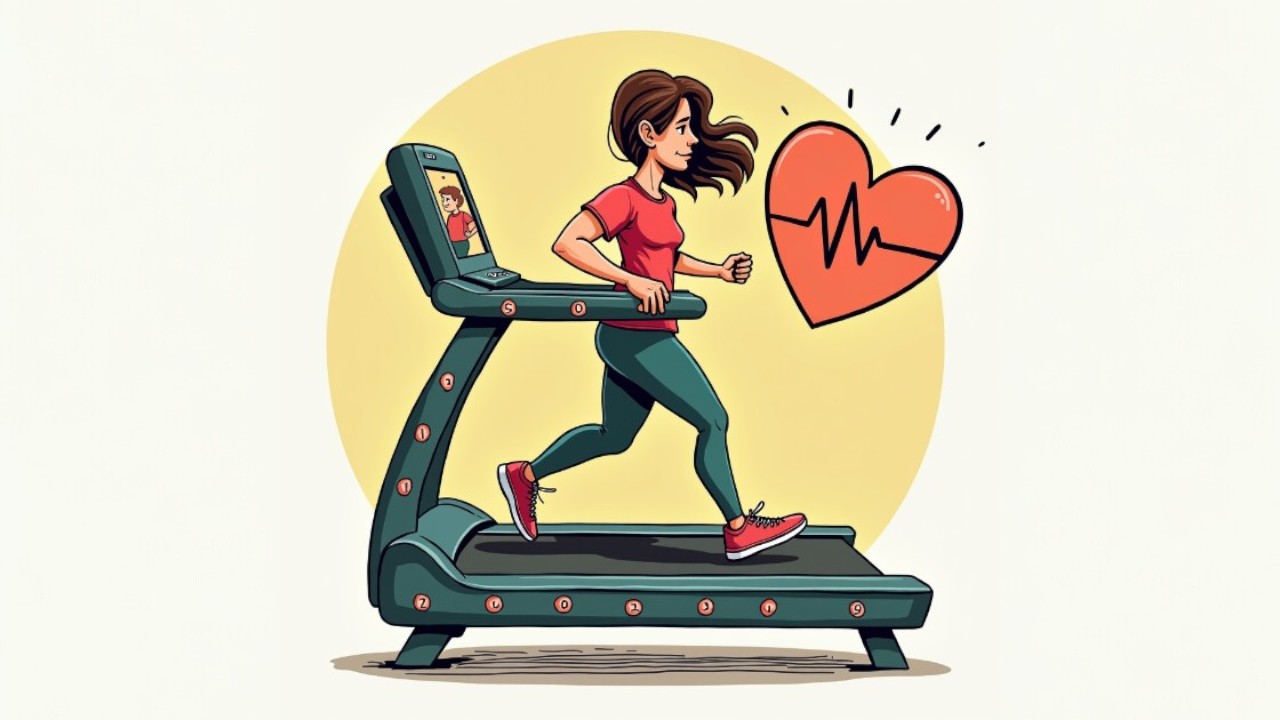
Introduction
In the world of fitness, one persistent myth continues to circulate: the fat-burning zone. This concept suggests that exercising at a specific heart rate zone will maximize fat loss. You’ll often see this displayed on cardio equipment, from treadmills to elliptical machines. But how accurate is this information? In this article, we’ll dissect the myth of the fat-burning zone, explore the science behind it, and provide practical advice on how to optimize your workouts for real fat loss.
Understanding the Fat-Burning Zone
What is the Fat-Burning Zone?
The fat-burning zone is typically defined as 60-70% of your maximum heart rate. This range is believed to burn a higher percentage of calories from fat compared to higher-intensity zones. Cardio machines often highlight this range, suggesting that it’s the optimal zone for weight loss.
How is the Fat-Burning Zone Calculated?
To calculate your fat-burning zone, you first need to determine your maximum heart rate (MHR). A common formula is to subtract your age from 220. For example, a 30-year-old would have an MHR of 190 beats per minute (bpm). Therefore, the fat-burning zone for this individual would be between 114 and 133 bpm.
The Science Behind Fat-Burning Zones
The Misconception of Fat Oxidation
While it’s true that lower-intensity exercises use a higher percentage of fat for fuel, the overall calorie burn is lower compared to higher-intensity workouts. This means you might burn more fat as a percentage, but the total amount of fat burned is less.
The Role of Total Caloric Burn
Higher-intensity exercises, such as high-intensity interval training (HIIT), burn more calories overall. Even though the percentage of fat burned is lower, the total fat burned is higher due to the greater caloric expenditure.
Post-Exercise Oxygen Consumption (EPOC)
High-intensity workouts also increase post-exercise oxygen consumption (EPOC), often referred to as the afterburn effect. This means your body continues to burn calories at an elevated rate even after you’ve finished exercising.
Debunking the Fat-Burning Zone Myth
Myth: Lower Intensity is Always Better for Fat Loss
Many people believe that lower-intensity workouts are the best way to lose fat. However, research shows that incorporating high-intensity workouts can lead to greater fat loss and improved cardiovascular health.
Myth: You Should Always Exercise in the Fat-Burning Zone
Focusing solely on the fat-burning zone can limit your workout’s effectiveness. Mixing different intensities can provide better results and keep your exercise routine varied and interesting.
Myth: Cardio is the Only Way to Burn Fat
Strength training plays a crucial role in fat loss by increasing muscle mass, which in turn boosts your resting metabolic rate. Combining cardio with strength training can optimize your fat loss efforts.
Optimizing Your Workouts for Fat Loss
Incorporate Interval Training
Interval training alternates between high and low-intensity exercise. This approach not only burns more calories but also improves cardiovascular fitness and promotes fat loss.
Combine Cardio and Strength Training
A balanced workout routine should include both cardio and strength training. Strength training builds muscle, which helps burn more calories at rest, while cardio enhances overall calorie expenditure.
Monitor Your Heart Rate
Using a heart rate monitor can help you ensure you’re working out at the right intensity. However, don’t get too fixated on staying within the fat-burning zone. Aim for a variety of intensities to maximize your results.
The Role of Nutrition in Fat Loss
Caloric Deficit is Key
No matter how much you exercise, you won’t lose fat without being in a caloric deficit. This means consuming fewer calories than you burn. Combining a healthy diet with regular exercise is essential for fat loss.
Eat a Balanced Diet
Focus on whole foods that provide the nutrients your body needs. Include plenty of fruits, vegetables, lean proteins, and healthy fats. Avoid processed foods and sugary drinks, which can sabotage your fat loss efforts.
Stay Hydrated
Drinking enough water is crucial for overall health and can aid in weight loss. Water helps regulate your metabolism and can keep you feeling full, reducing the likelihood of overeating.
Common Mistakes to Avoid
Over-Reliance on Cardio Machines
While cardio machines can be effective, relying solely on them can lead to plateaus. Diversify your workouts to include various forms of exercise, such as outdoor activities, group classes, and strength training.
Ignoring Strength Training
Many people, especially women, avoid strength training out of fear of becoming bulky. In reality, strength training is essential for fat loss and overall health. It helps build lean muscle, which boosts your metabolism.
Skipping Warm-Ups and Cool-Downs
Proper warm-ups and cool-downs are crucial for preventing injuries and improving performance. Make sure to include dynamic stretches before your workout and static stretches afterward.
Setting Realistic Goals
Understand Your Body
Everyone’s body responds differently to exercise. What works for one person might not work for another. Listen to your body and adjust your workouts based on how you feel and your progress.
Be Patient
Fat loss takes time and consistency. Set realistic goals and celebrate small victories along the way. Avoid comparing yourself to others and focus on your journey.
Track Your Progress
Keeping a workout journal or using fitness apps can help you track your progress and stay motivated. Record your workouts, diet, and how you feel to see what works best for you.
The Psychological Aspect of Fat Loss
Mindset Matters
Your mindset plays a significant role in your fitness journey. Stay positive and focus on the progress you’ve made rather than dwelling on setbacks. Cultivate a healthy relationship with exercise and food.
Overcoming Plateaus
Hitting a plateau is common in any fitness journey. When progress stalls, try changing your routine, increasing the intensity, or adjusting your diet. Stay consistent and patient.
Support Systems
Having a support system can make a big difference. Share your goals with friends and family, join a fitness community, or work with a personal trainer for guidance and motivation.
Practical Tips for Effective Workouts
Choose Enjoyable Activities
You’re more likely to stick with a workout routine if you enjoy it. Find activities you love, whether it’s dancing, hiking, swimming, or cycling, and make them a regular part of your exercise regimen.
Schedule Your Workouts
Treat your workouts like important appointments. Schedule them into your calendar and make them non-negotiable. Consistency is key to seeing results.
Stay Flexible
Life can be unpredictable, and sometimes you might miss a workout. Don’t stress about it. Stay flexible and get back on track as soon as possible. Consistency over time is what matters most.
Conclusion
The myth of the fat-burning zone on cardio equipment has been debunked. While exercising at lower intensities does burn a higher percentage of fat, it’s not the most efficient way to lose fat overall. High-intensity workouts, combined with strength training and a balanced diet, are more effective for fat loss. Remember to mix up your workout routines, set realistic goals, and maintain a positive mindset. By doing so, you’ll be on your way to achieving your fitness goals and living a healthier, happier life.
FAQs
What is the best type of cardio for fat loss?
High-intensity interval training (HIIT) is highly effective for fat loss because it burns a lot of calories in a short time and increases post-exercise oxygen consumption (EPOC).
How often should I do cardio for fat loss?
Aim for at least 150 minutes of moderate-intensity or 75 minutes of high-intensity cardio per week, combined with two or more days of strength training.
Can I lose fat without doing cardio?
Yes, strength training and maintaining a caloric deficit through diet can also result in fat loss. However, incorporating some form of cardio can enhance your overall fitness and speed up the process.
How do I know if I’m in the fat-burning zone?
Using a heart rate monitor can help you determine if you’re in the fat-burning zone. However, don’t rely solely on this. Focus on overall caloric burn and mix up your workout intensities.
Should I eat before or after my cardio workout?
It depends on your personal preference and goals. Eating a small meal or snack before your workout can provide energy, while eating afterward can aid in recovery. Ensure you consume a balanced diet throughout the day.
Meta Description: Uncover the truth about fat-burning zones on cardio equipment and learn how to optimize your workouts for effective fat loss with our comprehensive guide.
