

Close Menu

    Subscribe to Updates

    Get the latest creative news from FooBar about art, design and business.

    What's Hot

    Does crying really make you feel better? New psychological research shows it depends on key factors

    March 29, 2026

    Scientists say the evidence is clear: e-cigarettes are better than patches and gum at helping smokers quit smoking

    March 29, 2026

    What teenagers eat may have more of an impact on their mental health than we realize

    March 29, 2026
    Facebook X (Twitter) Instagram
    Facebook X (Twitter) Instagram
    Health Magazine
    • Home
    • Environmental Health
    • Health Technology
    • Medical Research
    • Mental Health
    • Nutrition Science
    • Pharma
    • Public Health
    • Discover
      • Daily Health Tips
      • Financial Health & Stability
      • Holistic Health & Wellness
      • Mental Health
      • Nutrition & Dietary Trends
      • Professional & Personal Growth
    • Our Mission
    Health Magazine
    Home » News » The Role of Probiotics in Gut Health and Overall Well-Being
    Nutrition & Dietary Trends

    The Role of Probiotics in Gut Health and Overall Well-Being

    healthadminBy healthadminOctober 27, 2025No Comments5 Mins Read
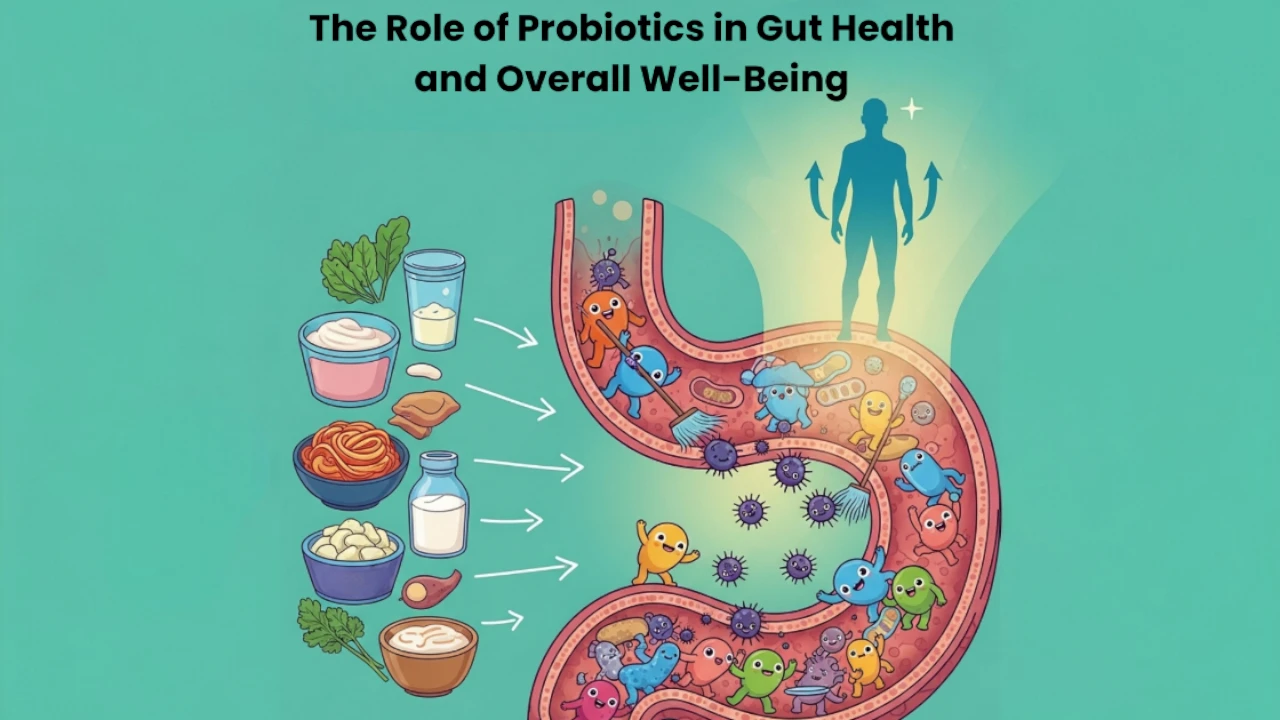
    The Role of Probiotics in Gut Health and Overall Well-Being
    Share
    Facebook Twitter Reddit Telegram Pinterest Email

    Your gut is more powerful than you think. It affects your digestion, immunity, mental health, and even your energy levels. At the heart of a healthy gut lies probiotics—the beneficial bacteria that keep everything balanced. When your gut microbiome is strong, your entire body functions better. When it’s weak, issues like bloating, fatigue, anxiety, and poor immunity start to appear.

    This article explores the role of probiotics in gut health and overall well-being, revealing how they work, why they matter, and how you can include them in your diet safely and effectively.


    What Are Probiotics?

    Probiotics are live beneficial bacteria and yeasts that naturally live in your digestive system. They help maintain a balanced gut environment and support many essential body functions.

    They are often called “good bacteria” because they:

    • Protect the gut from harmful microorganisms
    • Aid digestion and nutrient absorption
    • Support immune function

    Common probiotic strains include Lactobacillus, Bifidobacterium, and Saccharomyces boulardii.


    Understanding the Gut Microbiome

    Your gut microbiome is a complex ecosystem of trillions of microorganisms—bacteria, fungi, and viruses. When this ecosystem is balanced, your body thrives. When disrupted by poor diet, stress, or antibiotics, it leads to digestive problems, weakened immunity, and inflammation.

    Probiotics help restore and maintain this balance, improving gut function and overall health.


    How Probiotics Improve Digestion

    Digestion isn’t just about breaking down food—it’s about absorbing nutrients that fuel your body. Probiotics play a vital role by:

    • Producing enzymes that break down lactose, fiber, and complex carbs
    • Reducing symptoms of bloating, gas, and constipation
    • Supporting a healthy gut lining to prevent leaky gut syndrome

    People with irritable bowel syndrome (IBS) often experience relief from adding probiotics to their diet.


    Probiotics and Immune System Support

    Did you know up to 70% of your immune system is located in your gut? Probiotics strengthen your body’s defense system by:

    • Stimulating the production of immune cells and antibodies
    • Blocking the growth of harmful bacteria
    • Reducing inflammation that leads to chronic illness

    A healthy gut means a stronger immune response to infections and quicker recovery from illnesses.


    The Gut-Brain Connection: Probiotics and Mental Health

    Your gut communicates with your brain through the gut-brain axis—a network of nerves, hormones, and biochemical signals.

    Probiotics support mental well-being by:

    • Producing serotonin, a hormone that regulates mood and happiness
    • Reducing stress, anxiety, and depression symptoms
    • Lowering inflammation linked to brain disorders

    Research shows that improving gut health can positively influence emotional balance and cognitive function.


    Probiotics for Weight Management

    Probiotics may also play a role in maintaining a healthy weight. They help by:

    • Regulating appetite hormones like ghrelin and leptin
    • Improving metabolism and fat breakdown
    • Reducing fat storage and inflammation

    Some strains like Lactobacillus gasseri and Bifidobacterium lactis are linked to reduced belly fat and better weight control.


    Best Natural Sources of Probiotics

    You don’t always need supplements—many foods naturally contain probiotics.

    Top probiotic-rich foods:

    • Yogurt with live cultures
    • Kefir, a fermented milk drink
    • Sauerkraut and kimchi (fermented vegetables)
    • Kombucha, a probiotic tea
    • Miso and tempeh (fermented soy products)
    • Pickles fermented in saltwater, not vinegar

    Adding these foods to your diet can significantly improve gut health.


    Should You Take Probiotic Supplements?

    Probiotic supplements are helpful if:

    • You don’t consume enough probiotic-rich foods
    • You’ve taken antibiotics recently
    • You suffer from IBS, leaky gut, or digestive discomfort

    What to look for in a good probiotic supplement:

    • Contains multiple strains (Lactobacillus, Bifidobacterium, etc.)
    • Has CFU count of at least 5–10 billion live organisms
    • Labeled as “shelf-stable” or requires refrigeration”
    • Free from unnecessary additives

    It’s always best to consult a healthcare professional before starting supplements.


    How to Support Probiotics with Prebiotics

    Probiotics need prebiotics—a type of fiber that feeds good bacteria.

    Prebiotic-rich foods include:

    • Garlic and onions
    • Bananas
    • Oats and barley
    • Asparagus and leeks
    • Apples and flaxseeds

    Combining probiotics + prebiotics = synbiotics, which maximizes gut health benefits.


    Possible Side Effects and Safety Considerations

    Most people tolerate probiotics well. However, some may experience:

    • Mild bloating, gas, or digestive changes when starting
    • In rare cases, infections in people with weak immune systems

    Always start with low dosages and monitor how your body reacts.


    Conclusion

    Probiotics are more than a wellness trend—they are essential for gut health, immunity, mental well-being, and overall vitality. By restoring balance to your gut microbiome, probiotics help your body function at its best.

    From fermented foods to high-quality supplements, adding probiotics to your lifestyle is a powerful step toward better health. Take action today—nourish your gut, and your gut will take care of you.


    FAQs

    Can probiotics help with constipation and bloating?
    Yes. They support digestion and help regulate bowel movements while reducing gas and bloating.

    How long does it take for probiotics to work?
    Most people notice improvements in 2 to 4 weeks of consistent use.

    Can I take probiotics daily?
    Absolutely. Daily intake from foods or supplements is safe for most healthy individuals.

    Do probiotics help with skin health?
    Yes. A balanced gut reduces inflammation, improving conditions like acne, eczema, and rosacea.

    Can children take probiotics?
    Yes, but it’s best to consult a pediatrician for age-appropriate strains and dosages.

    Visited 4 times, 1 visit(s) today
    Share. Facebook Twitter Pinterest LinkedIn Telegram Reddit Email
    Previous ArticleA ‘reckless’ scrapyard with a history of endangering Watts High School will be shut down.
    Next Article The Importance of Seeking Professional Help for Mental Health Challenges
    healthadmin

    Related Posts

    How to Incorporate Seasonal Fruits and Vegetables into Your Meals for Better Health and Flavor

    November 12, 2025

    10 Simple Ways to Reduce Calorie Intake Without Feeling Deprived

    November 10, 2025

    The Link Between Nutrition and Mental Health: Foods That Boost Mood

    November 5, 2025

    10 Tips for Eating Healthy on a Tight Budget Without Sacrificing Quality

    November 2, 2025

    The Impact of Artificial Sweeteners on Your Health and Weight

    October 21, 2025

    10 High-Fiber Foods That Promote Better Gut Health Naturally

    October 20, 2025
    Add A Comment

    Comments are closed.

    Categories

    • Daily Health Tips
    • Discover
    • Environmental Health
    • Exercise & Fitness
    • Featured
    • Featured Videos
    • Financial Health & Stability
    • Fitness
    • Fitness Updates
    • Health
    • Health Technology
    • Healthy Aging
    • Healthy Living
    • Holistic Healing
    • Holistic Health & Wellness
    • Medical Research
    • Medical Research & Insights
    • Mental Health
    • Mental Wellness
    • Natural Remedies
    • New Workouts
    • Nutrition
    • Nutrition & Dietary Trends
    • Nutrition & Superfoods
    • Nutrition Science
    • Pharma
    • Preventive Healthcare
    • Professional & Personal Growth
    • Public Health
    • Public Health & Awareness
    • Selected
    • Sleep & Recovery
    • Top Programs
    • Weight Management
    • Workouts
    Popular Posts
    • the-pros-and-cons-of-paleo-dietsThe Pros and Cons of Paleo Diets: What Science Really Says April 16, 2025
    • Improve Mental Health10 Science-Backed Practices to Improve Mental Health… March 11, 2025
    • How Healthy Living Is Transforming Modern Wellness TrendsHow Healthy Living Is Transforming Modern Wellness… December 3, 2025
    • "The Best Daily Health Apps to Track Your Wellness Goals"The Best Daily Health Apps to Track Your Wellness… August 15, 2025
    • Healthy Living: Expert Tips to Improve Your Health in 2026Healthy Living: Expert Tips to Improve Your Health in 2026 November 16, 2025
    • daily vitamin D needsWhy Sunlight Is Crucial for Your Daily Vitamin D Needs June 12, 2025

    Demo
    Stay In Touch
    • Facebook
    • Twitter
    • Pinterest
    • Instagram
    • YouTube
    • Vimeo
    Don't Miss

    Does crying really make you feel better? New psychological research shows it depends on key factors

    By healthadminMarch 29, 2026

    Recent research published in Co-author: Psychology found that the emotional benefits of crying largely depend…

    Scientists say the evidence is clear: e-cigarettes are better than patches and gum at helping smokers quit smoking

    March 29, 2026

    What teenagers eat may have more of an impact on their mental health than we realize

    March 29, 2026

    Scientists have discovered a way to use light to store large amounts of data in three dimensions.

    March 29, 2026

    Subscribe to Updates

    Get the latest creative news from SmartMag about art & design.

    HealthxMagazine
    HealthxMagazine

    At HealthX Magazine, we are dedicated to empowering entrepreneurs, doctors, chiropractors, healthcare professionals, personal trainers, executives, thought leaders, and anyone striving for optimal health.

    Our Picks

    Scientists have discovered a way to use light to store large amounts of data in three dimensions.

    March 29, 2026

    World’s smallest QR code, smaller than a bacterium, can store data for centuries

    March 29, 2026

    This new treatment reduces pain without opioids or addiction

    March 29, 2026
    New Comments
      Facebook X (Twitter) Instagram Pinterest
      • Home
      • Privacy Policy
      • Our Mission
      © 2026 ThemeSphere. Designed by ThemeSphere.

      Type above and press Enter to search. Press Esc to cancel.