


Extreme heat, urban air pollution and recurring disasters already drive measurable rises in respiratory illness, heatstroke and vector-borne disease across dense cities. Environmental scientists, urban planners and public health advocates confront these overlapping threats daily, yet many still treat climate, pollution and health as separate files.
Integrated urban planning climate health strategies change that picture. Cities that combine land-use controls, green infrastructure and early-warning systems cut heat-related mortality by up to 25 percent while lowering PM2.5 concentrations and strengthening community resilience. The concrete outcome is measurable: fewer hospital admissions, lower long-term healthcare costs and measurable gains in urban biodiversity.
Siloed approaches cannot deliver these results. When transport, housing and health departments plan in isolation, emissions rise, green space shrinks and vulnerable populations remain exposed. Recent reviews confirm that fewer than 11 percent of city climate plans contain dedicated health-adaptation measures, leaving most populations unprotected.
This series therefore targets professionals who need evidence-based tools to close that gap. It shows how urban planning climate health integration simultaneously advances pollution mitigation, climate change health adaptation and health co-benefits sustainability. Readers will find practical steps, case data and policy levers that turn fragmented efforts into coherent urban resilience.
Real-World Examples of Health Adaptation Through Urban Planning
Ahmedabad’s Heat Action Plan combined early-warning systems, shaded public spaces and community murals to cut heat-related deaths by 25 percent. The approach linked urban planning climate health directly to lower hospital admissions during peak temperatures.
Chennai and Delhi adopted hazard mapping plus disease surveillance that addressed both flood risks and respiratory illness from urban air pollution mitigation. These cities also invested in green corridors that reduced PM2.5 while creating cooling zones for vulnerable residents.
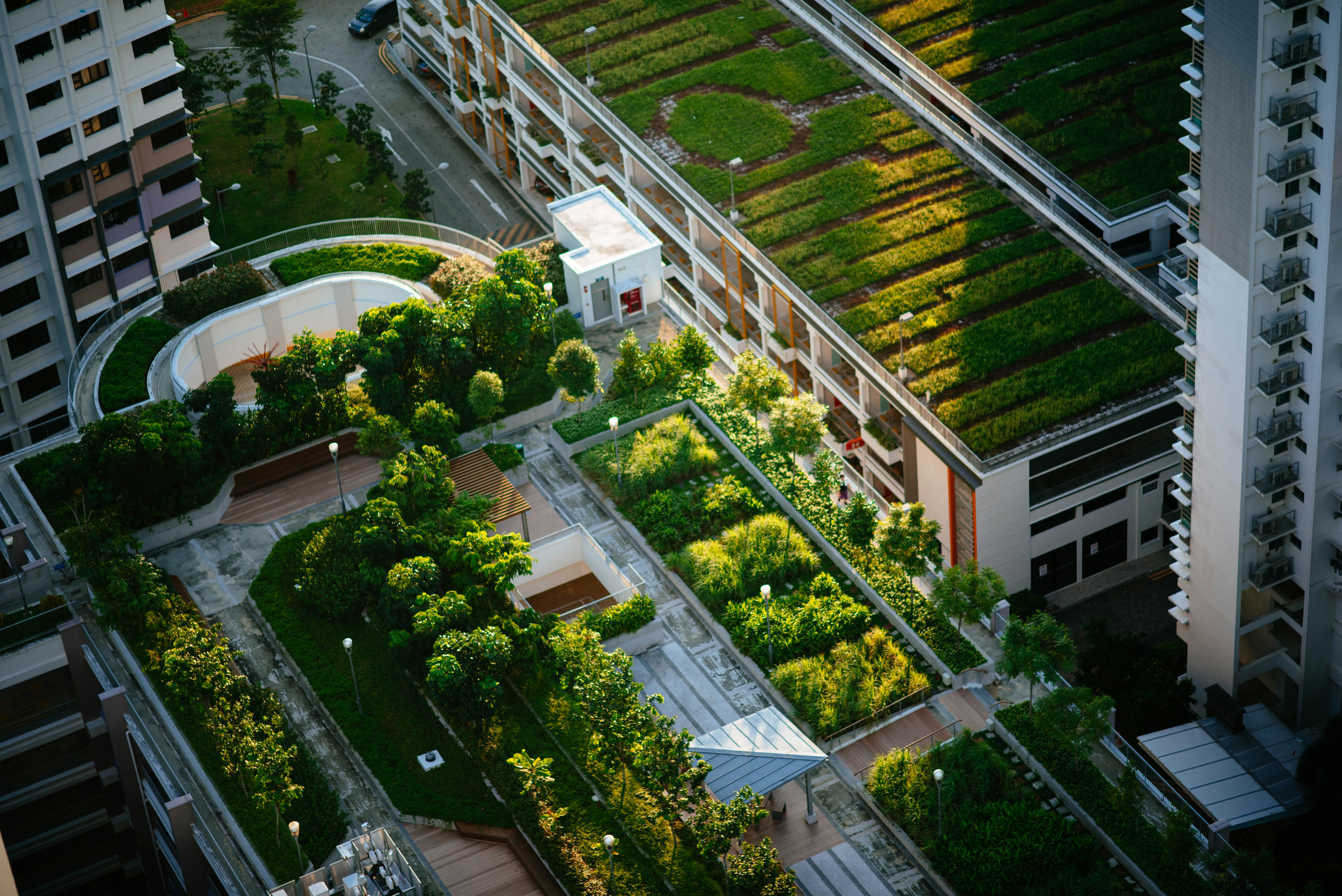
Singapore integrated mental-health support into its climate plan by training first responders in psychological first aid after extreme weather. The strategy recognized that social cohesion strengthens environmental health urban resilience during repeated climate shocks.
Only six of 55 reviewed city plans reached this level of integration, according to a 2026 analysis. Most still separate physical health actions from equity measures, missing opportunities for health co-benefits sustainability.
Tshwane and Salvador added community mapping of informal settlements to target cooling shelters and clean-water access. These participatory steps improved uptake among low-income groups and demonstrated how sustainable mitigation strategies cities can advance justice alongside pollution climate human health goals.
Such examples show that when planners embed climate change health adaptation into land-use rules and emergency networks, measurable gains appear in both public health metrics and long-term urban livability.
Actionable Steps, Common Pitfalls and Next Moves for Climate-Resilient Health
Start by merging health and planning departments into one climate-health task force. Assign clear lead agencies and publish annual progress dashboards using indicators for heat mortality, PM2.5 levels and equity outcomes.
Next, scale nature-based solutions. Protect and expand urban forests, wetlands and green corridors that deliver cooling, carbon storage and urban air pollution mitigation simultaneously. Pair these investments with low-emission zones and shaded pedestrian networks to maximise health co-benefits sustainability.
Engage communities early through participatory mapping and co-designed public spaces. Train local health workers and artists to translate early-warning messages into culturally relevant formats, raising uptake among informal settlements.
Common pitfalls include treating health as a co-benefit rather than a core objective, omitting mental-health and social-cohesion measures, and setting vague targets without assigned budgets or monitoring. Another frequent error is bypassing vulnerable groups during planning, which deepens exposure gaps.
Funding questions arise often. Cities can redirect existing infrastructure budgets and access multilateral adaptation finance when plans explicitly link urban planning climate health to measurable disease reduction. Timelines stretch when governance remains fragmented; integrated urban climate planning shortens them by aligning agency incentives.
Next moves: pilot one integrated neighbourhood project within 12 months, publish results openly, and advocate for national policy that requires health-adaptation sections in all city climate plans. Environmental scientists, planners and advocates who follow these steps convert evidence into lasting environmental health urban resilience.
Sources
- https://www.orfonline.org/research/utilising-urban-planning-to-address-climate-change-as-a-health-crisis
- https://www.nature.com/articles/s44284-025-00364-1
- https://www.thelancet.com/journals/lanpub/article/PIIS2468-2667(26)00100-3/fulltext
- https://pmc.ncbi.nlm.nih.gov/articles/PMC11129563
- https://www.mdpi.com/journal/sustainability/specialissues/pollutionclimate_health
- https://www.omicsonline.org/open-access/pollution-climate-change-and-human-health-risks-139038.html
- https://opha.on.ca/climate-change-mitigation-assessing-strategies-that-offer-potential-human-health-benefits
- https://www.sciencedirect.com/science/article/abs/pii/S0140673624019342
- https://www.researchgate.net/publication/385101460UrbanairpollutionSourcesimpactsandsustainablemitigationstrategiesforacleaner_future
- https://pubmed.ncbi.nlm.nih.gov/39198370
