


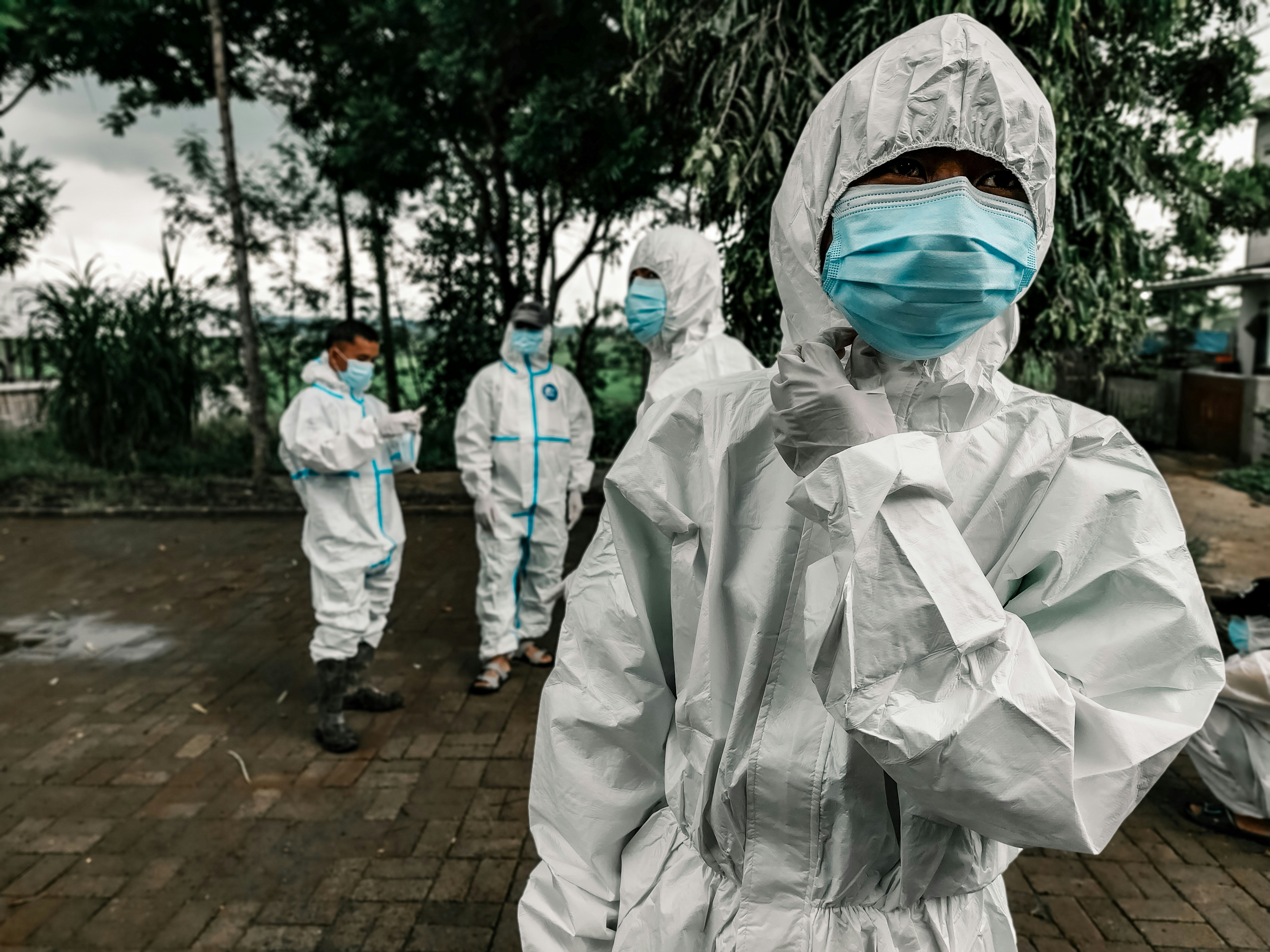
Epidemiologists, government health officials, and global health NGO leaders encounter significant hurdles in addressing 2026 public health trends. Rising threats from avian flu risks and other pathogens strain existing systems, making effective disease outbreak preparedness essential. Without targeted action, communities face prolonged vulnerabilities that undermine overall population health.
Investing in pandemic preparedness yields concrete benefits. Strengthened genomic surveillance enables early detection of outbreaks, while the WHO Pandemic Agreement facilitates equitable resource distribution through its PABS system. These measures directly improve community health outcomes by reducing response times and ensuring fair access to diagnostics and vaccines.
Global reports underscore the urgency. The 2025 GPMB report emphasizes investments in primary care and risk monitoring to bolster global health security. Similarly, coordinated efforts highlighted by the Global Virus Network stress the need for collaboration to mitigate avian flu risks. CDC frameworks on global health security provide guidance for capacity building in disease detection.
Strategic policies must prioritize infrastructure and outreach to tackle social determinants of health. Local plans, such as those from Pima County, demonstrate how equity-focused strategies and community needs assessments lead to measurable improvements. By aligning with the UN’s focus on pandemic preparedness and the 2026 high-level meeting, leaders can foster global solidarity.
These approaches transform challenges into opportunities for resilient health systems. Enhanced pandemic preparedness not only safeguards against immediate threats but also builds long-term capacity for sustainable community health outcomes across regions.
Monitoring Key Trends in Disease Outbreak Preparedness
Current 2026 public health trends reveal escalating risks that demand robust pandemic preparedness. Genomic surveillance has emerged as a critical tool, allowing experts to track pathogen evolution in real time and anticipate outbreaks before they spread widely. AI-driven analytics further enhance disease outbreak preparedness by processing vast datasets to identify patterns in avian flu risks and other emerging threats.
Reports from global health organizations provide clear evidence. WHO data integrated into recent analyses show how genomic surveillance combined with AI improves early warning systems, directly supporting the WHO Pandemic Agreement’s goals for equitable access. The 2025 GPMB report stresses that without sustained risk monitoring, global health security remains fragile amid funding cuts and diagnostics gaps.
Avian flu risks illustrate the urgency. Coordinated surveillance systems advocated by the Global Virus Network enable faster responses across borders. These efforts align with CDC capacity-building initiatives under the Global Health Security Agenda, which focus on strengthening detection in vulnerable regions.
Major threats in 2026 also include supply chain disruptions and climate-related disease shifts. Integrating these insights into national strategies helps leaders prioritize investments that protect community health outcomes. By leveraging data from sources like the UN’s pandemic preparedness overview, officials can align policies with international solidarity commitments.
Effective monitoring translates trends into actionable intelligence. This approach not only mitigates immediate dangers but also builds resilient frameworks that sustain pandemic preparedness over time, ensuring communities benefit from proactive, evidence-based interventions.
Strategic Policies and Steps for Community Health Outcomes
Strategic policies for pandemic preparedness require targeted investments in primary care and risk monitoring systems. Government health officials should adopt CDC frameworks on global health security to build disease detection capacity. Integrating genomic surveillance with AI tools supports proactive management of avian flu risks and evolving 2026 public health trends.
The WHO Pandemic Agreement supplies mechanisms such as the PABS system that promote equitable access and strengthen disease outbreak preparedness. NGO leaders can advance community health outcomes by forming cross-sector partnerships that close diagnostics gaps and sustain funding. Local models from equity-focused plans illustrate how infrastructure upgrades and outreach programs address social determinants effectively.
Priorities include measurable indicators, coordinated surveillance networks, and alignment with international commitments like the 2026 high-level meeting. These steps convert data into resilient systems that deliver lasting population health gains.
