


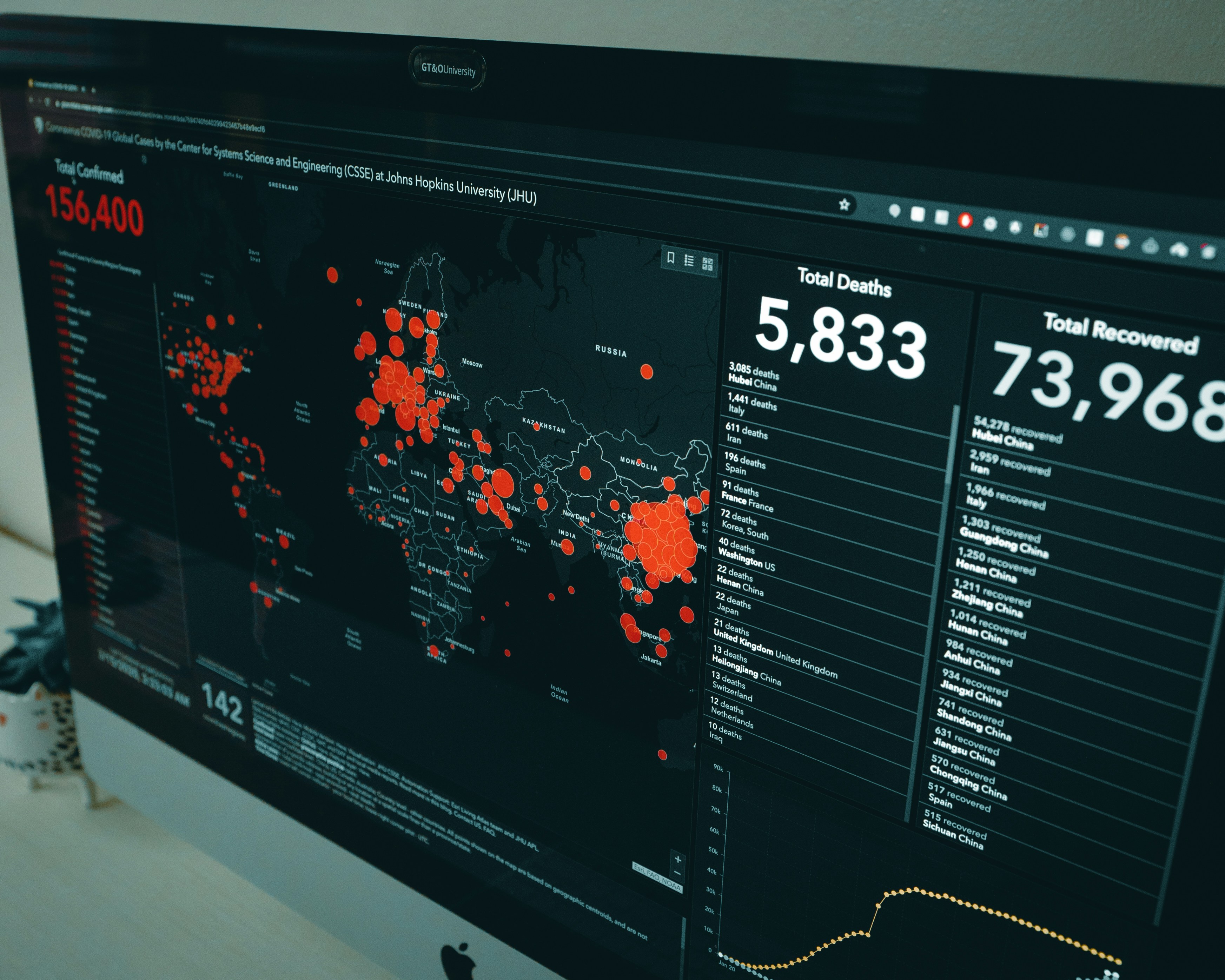
Leaders in public health face mounting pressures defined by public health trends 2026. Vaccine preventable outbreaks threaten decades of progress, as noted by WHO and UNICEF statements. Antimicrobial resistance and climate-related health risks compound these vulnerabilities, requiring swift action from epidemiologists, officials, and NGOs. Effective pandemic preparedness 2026 hinges on advanced population health surveillance. Incorporating AI in disease monitoring accelerates identification of emerging pathogens, supporting the WHO global health strategy that prioritizes equity and community resilience. Bangladesh equity interventions provide proven models for narrowing gaps in access and response effectiveness. Chronic disease prevention must integrate with infectious disease strategies to deliver lasting community benefits. The U.S. emphasis on self-reliance in foreign assistance policies builds sustainable national systems. SHEA policy statements offer evidence-based frameworks that update healthcare epidemiology practices for better outbreak response. UNICEF updates stress the urgent need to combat rising infectious diseases in children to avoid reversing immunization gains. STAT analyses confirm ongoing risks to measles elimination despite available tools. By centering global health equity, surveillance innovations, and resilient policies, stakeholders realize concrete advances in population outcomes. WHO World Health Statistics 2026 supply the data foundation for these efforts. Reports on top public health trends highlight security measures essential for future stability. Coordinated implementation of these elements strengthens global capacity against next threats. Health policy trend reports detail successful approaches with case studies from multiple regions. Analysis of pandemic preparedness, vaccination, and disease surveillance reinforces the value of integrated tools for outbreak response. Global health strategy documents converge on shared priorities for resilience and self-reliance. Officials can draw lessons from these sources to inform targeted policies that address both immediate outbreaks and long term challenges. This integrated view ensures better preparedness and equitable health improvements across communities worldwide.
2026 Population Health Trends and Outbreak Readiness Examples
Current global data from the WHO World Health Statistics 2026 highlights key public health trends 2026 including rising chronic disease burdens and resurgent infectious threats. The report details how noncommunicable diseases now account for a significant portion of mortality in developing regions, while vaccine preventable outbreaks such as measles continue to challenge elimination goals. WHO World Health Statistics 2026
Real-world cases underscore the need for robust population health surveillance. In Bangladesh, equity-focused interventions have successfully narrowed disparities in access to care, as documented in 2026 health policy trend reports. These examples show reduced outbreak impacts through improved local monitoring and response.
Analysis of pandemic preparedness 2026 reveals that AI in disease monitoring enables quicker pathogen detection and containment. Studies on global health challenges 2026 emphasize integration of these technologies into national systems to enhance disease outbreak response.
Chronic disease prevention strategies are evolving to include climate and equity considerations per the WHO global health strategy. U.S. foreign assistance policies stress self-reliance to build sustainable capacity against both chronic and acute health issues.
UNICEF briefs on infectious diseases in children provide further insights into the intersection of AMR and outbreak risks. STAT news coverage of 2026 issues notes ongoing measles threats despite progress. Together, these cases build a foundation for strategic planning by illustrating where surveillance and policy investments yield the greatest returns in outbreak readiness and health outcomes.
Building Strategic Policies for Community Health Outcomes and FAQ
Strategic policies for community health outcomes begin with integrating public health trends 2026 data into national planning frameworks. Officials should prioritize equity assessments using WHO global health strategy principles to close gaps exposed by recent outbreaks. Key steps include expanding population health surveillance with AI in disease monitoring for real-time alerts, strengthening routine immunization to counter vaccine preventable outbreaks, and embedding chronic disease prevention within climate resilience programs.
Common pitfalls involve underfunding local surveillance infrastructure and overlooking community input, which delays disease outbreak response. Troubleshooting includes conducting regular data audits and forming cross-sector task forces that include NGO leaders for sustained impact.
Frequently asked questions address practical concerns. How does pandemic preparedness 2026 differ from prior approaches? It emphasizes self-reliance and integrated AI tools per state and WHO reports. What role does global health equity play? It ensures interventions reach vulnerable populations, as shown in Bangladesh case studies. How can chronic disease prevention align with outbreak readiness? By layering services in primary care settings.
These measures draw from SHEA policy statements, UNICEF briefs, and STAT analyses to deliver measurable improvements in population health. U.S. 2025 global health strategy WHO 2025-2028 strategy
Health officials achieve resilience by monitoring metrics from the WHO World Health Statistics 2026 and adjusting policies iteratively.
Sources
- https://patagoniahealth.com/blog/top-public-health-trends
- https://www.globalhealthpolicylab.org/health-policy-trend-report-2026
- https://imjhealth.org/blog/global-health-challenges-2026-pandemic-preparedness-vaccination-disease-surveillance
- https://shea-online.org/pandemic-preparedness-policy-statements-a-step-towards-global-health-resilience
- https://cdn.who.int/media/docs/default-source/documents/about-us/general-programme-of-work/global-health-strategy-2025-2028.pdf
- https://www.state.gov/wp-content/uploads/2025/09/America-First-Global-Health-Strategy-Report.pdf
- https://imuna.org/blog/unicef-2026-update-brief-combating-the-rise-of-infectious-diseases-in-children
- https://www.unicef.org/press-releases/increases-vaccine-preventable-disease-outbreaks-threaten-years-progress-warn-who
- https://www.statnews.com/2025/12/26/public-health-2026-issues-to-watch
- https://iris.who.int/server/api/core/bitstreams/45189137-2f10-48e1-ae43-91b0d8ddd120/content
