


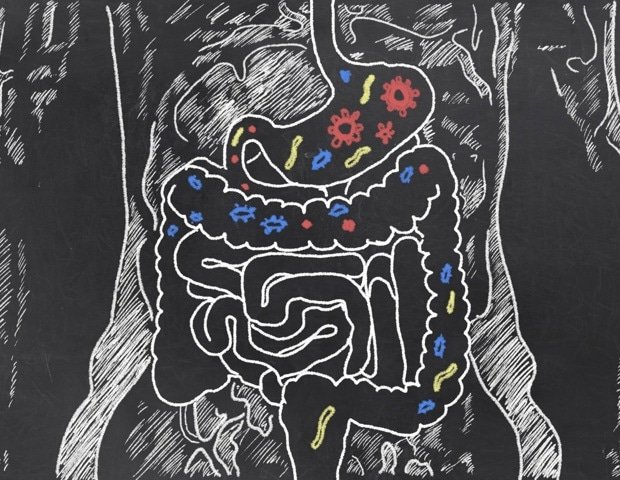
A plant-based diet is good for you. They promote gut, immune, metabolic, and cardiovascular health by cultivating a diverse community of gut bacteria. It has long been known that some of these benefits come from the fiber in plant-based foods that is processed by our commensal gut bacteria and the often brightly colored “phytochemicals” that plants produce to protect themselves from environmental threats. However, much remains unknown about how the bugs in our stomachs process the components of vegetables to produce these health benefits.
A pair of studies led by Ludwig Princeton University’s Jenna Absalim and director Joshua Rabinowitz, one of which is in the current issue of Proceedings of the National Academy of Sciencesthe other is natural metabolism June will shed new light on this issue. One study found that plant fibers and proteins reprogram microbial metabolism, promoting the production of healthy seed metabolites while suppressing the production of harmful metabolites. Second, we show that many physiologically important metabolites commonly attributed to gut bacteria are actually also abundantly produced by mammalian metabolism.
There is growing interest across the medical field in manipulating the human microbiome and using its metabolites themselves in treatments. Diet holds great promise in controlling the microbiome and its products. However, to devise effective therapeutic interventions, we need to understand which aspects of the diet control which microbial products. ”
Joshua Rabinowitz, Ludwig Princeton University Director
for PNAS In their study, Rabinowitz, Absalim and colleagues investigated how plant-based foods affect levels of phenolic metabolites. Produced by bacterial digestion of the amino acids tyrosine and phenylalanine, these phenols have a wide range of health effects. A combination of phenylpropionic acid and hippuric acid, created by bacterially processing phenylalanine, supports gut health and a healthy weight. The other, p-cresol sulfate and phenol sulfate, are derived from tyrosine and are associated with worse outcomes in cancer patients and systemic toxicity in patients with kidney disease.
“Our study showed that both fiber and indigestible protein in plants shift the balance of phenolic metabolites from the harmful kind made from tyrosine to the healthy kind derived from phenylalanine, a shift we call ‘fiber-mimetic protein,’ or purifsalim,” Absalim said.
Although the benefits of plant fiber are well known, indigestible proteins derived from plants have been largely ignored. AbuSalim, Rabinowitz and colleagues now report that such proteins are processed by gut bacteria, reshaping microbiome composition and host metabolism. Additionally, it works with indigestible plant fibers to rewire the metabolic program of gut bacteria to promote the production of “good” phenols.
By labeling proteins with stable (non-radioactive) isotopes and tracking their digestion in the intestines of mice, the researchers found that “bad” phenols are made by bacteria consuming host proteins, such as proteins in the mucus lining the intestines, whereas good phenols are made almost exclusively from indigestible dietary proteins (Prifs). Fiber inhibits bacterial catabolism of the intestinal mucus lining and reduces the production of bad phenols. Purif increases the amount of dietary protein reaching the gut microbes, thereby promoting the production of quality phenols.
“We believe Purif represents a new class of dietary nutrients that shape the composition of the gut microbiome and can have widespread effects on metabolic health,” Absalim said.
“Food packaging may end up with Prif written just below the fiber,” Rabinowitz said.
of natural metabolism In this study, we investigated the origin of phenolic metabolites and indole metabolites derived from the amino acid tryptophan. Like phenols, they are being actively studied for their therapeutic potential. Indole metabolites have been implicated in diseases ranging from inflammatory bowel disease to neurodegenerative diseases and cancer, and are particularly known to influence cancer metastasis and anti-tumor immune responses.
Both phenol and indole are generally thought to be produced only by gut bacteria, so Absalim and Rabinowitz and their colleagues wanted to test that hypothesis. There is much interest in developing dietary or probiotic-based strategies to increase levels of healthy indole metabolites. However, if mammalian metabolism contributes most to its circulating levels, another approach should be considered.
Ultimately, isotope tracing studies in mouse, rat, and human cells have revealed that mammalian metabolism is fully capable of producing many indole and phenolic metabolites, including several physiologically important metabolites such as indole-3-lactate and indole-3-acetate. In mice, circulating levels of metabolites remained stable after treatment with microbiome-disrupting antibiotics. This was also reflected in samples taken from patients, including cancer patients taking antibiotics. On the other hand, metabolites produced only by microorganisms, such as indole-3-propionate and p-cresol sulfate, decreased after treatment with antibiotics.
Taken together, the results of the two studies make important contributions to our understanding of the sources and production of phenolic and indole metabolites and have implications for the design of tools and strategies to manipulate their levels for therapy.
Professor Rabinowitz said: “Additionally, a clearer picture of how different foods interact with the microbiome to modulate the production of bacterial metabolites will help nutritionists and doctors better guide people to prevent and treat disease.”
sauce:
Ludwig Cancer Institute
References:
- Absalim, J.E.; others. (2026). Digestion-resistant proteins support the healthy metabolite profile associated with a plant-based diet. Proceedings of the National Academy of Sciences. DOI: 10.1073/pnas.2605226123. https://www.pnas.org/doi/10.1073/pnas.2605226123
- Absalim, J.E.; others. (2026). Host metabolism produces many indoles and phenols independently of the microbiome. natural metabolism. DOI: 10.1038/s42255-026-01550-8. https://www.nature.com/articles/s42255-026-01550-8
