


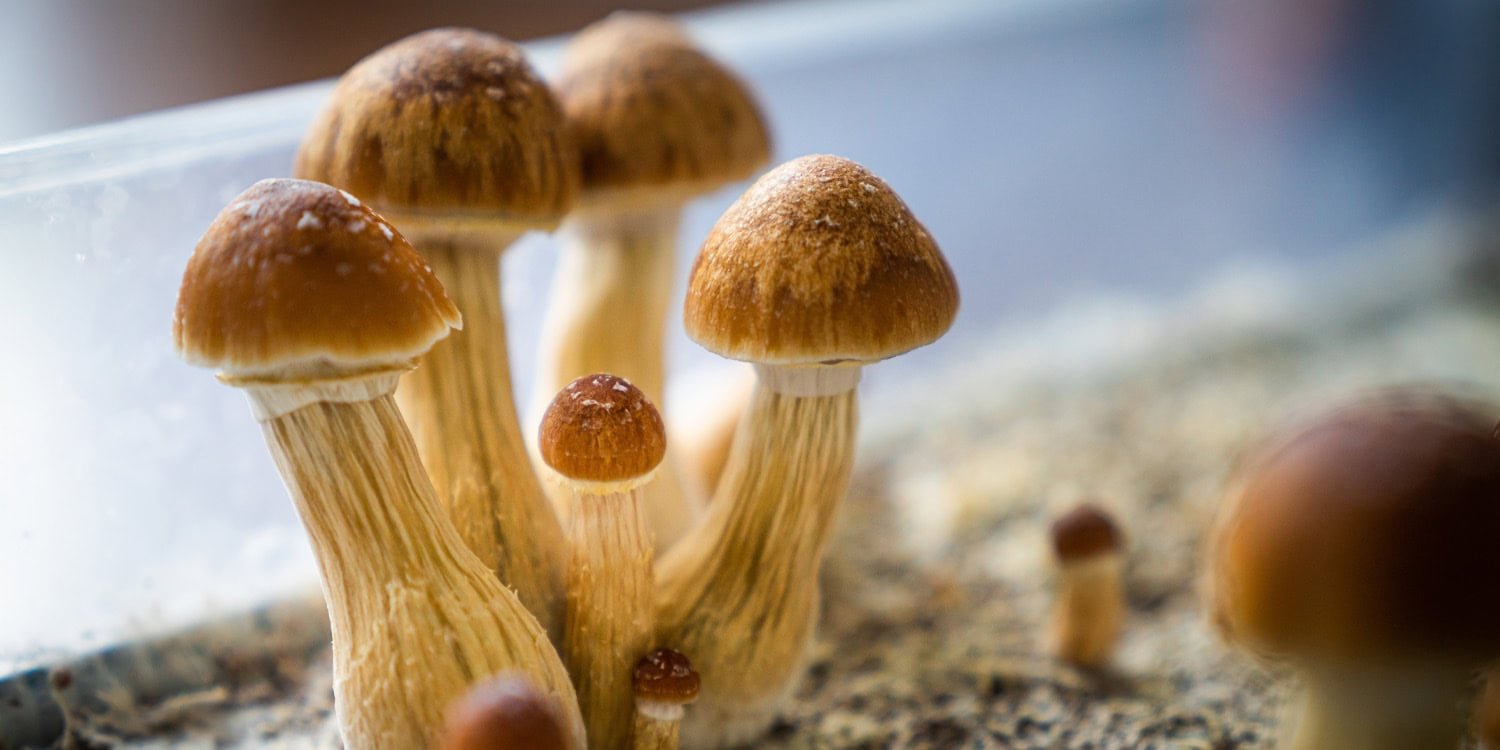
Recent research published in journals biochemistry and cell biology Studies suggest that psilocybin, an active compound found in certain mushrooms, may help protect skin cells from premature aging caused by poor diet. The results of this study provide evidence that psilocybin reduces inflammation and cellular stress in skin cells exposed to high levels of sugar and fat.
Skin aging is a complex biological process influenced by a combination of genetic and environmental factors. Diets rich in sugar and fat are known to increase oxidative stress throughout the body and accelerate this process. Oxidative stress occurs when harmful highly reactive oxygen molecules damage healthy cells and degrade structural proteins. This type of damage can weaken the skin over time and cause visible signs of aging such as wrinkles and loss of elasticity.
When specialized skin cells called fibroblasts are exposed to excess glucose and lipids, they can be seriously damaged. Fibroblasts are the primary cells responsible for producing the structural framework of human tissues, including the production of collagen. Over time, metabolic stress from an inappropriate diet can cause these cells to enter a state of cellular senescence. This means that cells stop dividing and growing but do not die completely, contributing significantly to tissue aging.
This cellular suspension causes the skin to lose its youthful elasticity and structural integrity. Metabolic stress also causes a chronic, low-grade inflammatory state that further breaks down the proteins that support your skin. Finding ways to protect fibroblasts from these specific dietary stressors could open new avenues for slowing the physical signs of aging.
Psilocybin is a natural compound that interacts with the human body’s serotonin receptors. It is primarily known for its psychological effects on the brain. However, these specific serotonin receptors are also present in other body tissues, such as human skin fibroblasts. Past studies have shown that psilocybin has powerful anti-inflammatory properties, and there is growing scientific interest in its potential beyond mental health uses.
A research team led by Farzaneh Norzuhani from the University of Lethbridge in Canada designed an experiment to investigate how psilocybin affects skin cells under severe dietary stress. They wanted to assess whether the antioxidant and anti-inflammatory properties of this compound could protect fibroblasts from damage normally caused by high blood sugar and high fat levels.
To test their idea, the scientists utilized a widely used line of human skin cells known as BJ-5ta fibroblasts. They grew these cells in a laboratory environment and strictly standardized the environment to observe the specific effects of different chemical treatments. The researchers established an aging model by exposing fibroblasts to a solution containing 25 mmol of glucose per liter and 400 micromol of palmitic acid per liter for 48 hours. Palmitic acid is a common fatty acid found in many foods and is known to cause cell damage at high concentrations.
This high sugar and high fat environment was specifically designed to mimic the cellular stress caused by severe metabolic conditions. These metabolic conditions are known to accelerate human tissue aging by damaging cellular components. The scientists then tested the effects of psilocybin under two different experimental timelines to assess both prevention and remediation.
In the co-treatment condition, we applied 10 micromoles of psilocybin per liter at exactly the same time as the high-sugar and high-fat solutions to see if damage could be prevented. In the post-treatment state, the researchers waited 48 hours for the cells to become stressed, then applied psilocybin at 15 micromoles per liter. This second setup was designed to see if the compound could repair existing cell damage. All experiments were repeated three times in the laboratory to ensure accuracy and reliability.
The research team measured several different indicators of cell health, starting with overall cell viability and cell viability. They found that exposing fibroblasts to a high-sugar and high-fat environment predictably reduced cell viability and increased signs of premature aging. Both co-treatment and post-treatment with psilocybin helped maintain the overall viability of fibroblasts.
Psilocybin treatment also tended to reduce the activity of β-galactosidase, a specific enzyme that serves as a common biological marker of cellular aging. Beta-galactosidase is an enzyme that accumulates in aging cells. By measuring its activity, scientists can estimate how many cells in a sample have entered a senescent, nondividing state. The results suggest that by reducing the activity of this particular enzyme, psilocybin helps prevent skin cells from entering a state of permanently arrested aging.
The authors also focused on a biological mechanism called apoptosis. Apoptosis is a programmed process of cell death that occurs when cells are damaged beyond repair or are simply no longer needed. High sugar and high fat conditions significantly increased apoptosis of stressed fibroblasts.
Co-treatment with 10 micromoles psilocybin per liter slightly but clearly reduced this accelerated rate of cell death. Application of psilocybin alone to healthy cells slightly increased cell death, suggesting that dose levels need to be precisely adjusted to avoid unwanted toxicity. This observation suggests that although this compound has protective properties under stress, it must be applied in very specific amounts.
The scientists also evaluated how different treatments affected the cell cycle. The cell cycle is a series of ordered stages through which cells grow, reproduce internal components, and divide. Metabolic stress disrupts this natural cycle, causing many cells to become abnormally trapped in a specific phase in which DNA synthesis occurs, known as S phase. Being stuck in this stage suggests that cells are struggling to complete basic life functions and are heading toward premature aging.
Co-treatment with psilocybin appears to restore a more normal cell cycle distribution. This effect allowed fibroblasts to resume their standard growth pattern. This compound provides evidence that by balancing the cell cycle, it helps skin cells maintain normal, healthy function despite stressful environments.
The researchers also measured the expression of genes involved in the production of structural proteins. High sugar and high fat treatment significantly suppressed genes involved in collagen and elastin production. These two proteins are completely necessary to maintain skin flexibility and structural strength. When psilocybin was applied at exactly the same time as a dietary stressor, elastin gene expression was significantly increased.
The researchers also measured the activity of genes associated with promoting inflammation in the body. They found that metabolic stress significantly increased the expression of several inflammatory genes in fibroblasts. Applying 15 micromoles of psilocybin per liter after stress occurred was successful in reducing the expression of genes known as IL-1beta, IL-6, and COX-2.
These specific genes direct the production of inflammatory signaling proteins in the body. Reducing their activity suggests a significant sedative effect on the tissue environment. This anti-inflammatory effect is thought to help protect surrounding skin cells from collateral metabolic damage.
Finally, the team performed a specialized wound healing assay in cell culture. The test involved intentionally scratching the connective layer of cells in a culture dish and measuring how quickly the surrounding cells moved to fill the empty gap. Metabolically stressed cells healed artificial wounds significantly more slowly. Although psilocybin treatment showed a tendency to promote faster cell migration, the improvement in wound healing was not statistically significant compared to the control group.
Because this study was conducted on isolated cells in a petri dish, the findings cannot be directly applied to living humans. This type of testing, known as in vitro research, is an early step in understanding complex biological mechanisms. It lacks the complex and interacting variables of an entire living biological system. The exact way psilocybin is actually absorbed and processed by human skin remains completely unknown.
Another notable limitation involves the precise mechanisms behind the observed cellular changes. Scientists suspect that psilocybin interacts directly with specific serotonin receptors on fibroblasts, but they have not directly tested this theory. Future studies will need to intentionally block these specific receptors to see if the protective effects disappear. Taking that step will help you see exactly how the compound works at the microscopic, cellular level.
The research team also noted the need to compare psilocybin with established antioxidants and well-known anti-aging treatments. Testing this compound side-by-side with common skin care ingredients such as vitamin C and retinoids will help determine comparative efficacy in clinical settings. Future studies may also look at the actual protein levels produced by cells, rather than just looking at genetic markers. This approach will provide a more complete picture of the body’s inflammatory response.
Investigating different types of metabolic stress and longer chemical exposure times may shed further light on how psilocybin acts over long periods of time. Clinical application in the field of dermatology is still far away. This potential therapy requires extensive safety and dosing studies in animal models and formal human clinical trials. Elucidating these specific details will help determine whether topical formulations of psilocybin ultimately become a practical option for preventing age-related skin damage.
The study, “Psilocybin attenuates high glucose- and high-lipid-induced skin aging in BJ5Ta fibroblasts,” was authored by Farzaneh Norouzkhani, Esmaeel Ghasemi Gojani, Bo Wang, DongPing Li, Salma Shujat, Aadarsh Shrestha, Rocio Rodriguez-Juarez, Olga Kovalchuk, and Igor Kovalchuk.
