


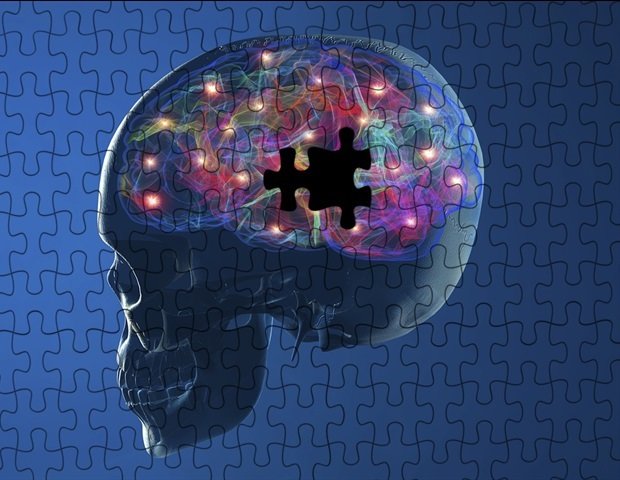
Parkinson’s disease (PD) is a progressive neurodegenerative disease caused by the loss of dopamine-producing neurons, leading to motor symptoms such as tremor, rigidity, slowed movements, and decreased balance, as well as cognitive decline. Current treatments can help reduce symptoms but cannot stop the progression of the disease.
Levodopa (L-DOPA) administered with carbidopa remains the standard treatment for PD by restoring dopamine levels and improving motor function. However, their effectiveness often wears off with long-term use, and complications such as motor fluctuations and dyskinesia can occur. These limitations have prompted the search for adjunctive therapies that can improve treatment outcomes.
In this context, researchers from the University of Guadalajara investigated whether honey bee venom could improve the therapeutic efficacy of L-dopa/carbidopa in a mouse model of PD. Bee venom contains biologically active compounds such as melittin, phospholipase A2, and apamin, which have been demonstrated to have anti-inflammatory, antioxidant, and neuroactive effects. ”We aimed to investigate whether honey bee venom could potentiate the effects of standard treatments in a 6-hydroxydopamine (6-OHDA) model of Parkinson’s disease.” explained lead author Professor Alma Karen Lomeli-Lepe of the University of Guadalajara. neuroprotection May 20, 2026.
The researchers used the established 6-OHDA mouse model of Parkinson’s disease. Adult male CD-1 mice were assigned to healthy controls, untreated Parkinson’s disease mice, mice treated with L-dopa/carbidopa, or mice treated with L-dopa/carbidopa and lyophilized bee venom. Treatment was carried out from day 13 to day 30 after lesion induction, and motor and cognitive functions were assessed using the cylinder test, limp test, novel object recognition test, and corridor test.
The results of this study showed that bee venom enhances several behavioral outcomes when combined with standard Parkinson’s disease treatments. Mice receiving the combination treatment maintained near-normal forelimb symmetry, exhibited less limp and improved locomotor performance than mice treated with L-dopa/carbidopa alone. The therapy also provided cognitive benefits. In a memory assessment, mice treated with bee venom maintained the ability to recognize new objects, while untreated mice or mice that received only standard treatment continued to show cognitive impairment. Moreover, the combined treatment resulted in the strongest recovery of lateral motor behavior in the corridor task.
This study assessed only behavioral outcomes and did not directly assess dopaminergic neuron survival or molecular markers of inflammation or oxidative stress. As a result, the biological mechanisms underlying the observed improvements have not yet been established.
Overall, the results suggest that bee venom may amplify the functional benefits of L-dopa/carbidopa and improve both motor and cognitive performance outcomes in experimental Parkinson’s disease. ”Our findings demonstrate promising behavioral benefits of bee venom as an adjunct to L-dopa/carbidopa therapy, but further research is required to understand the underlying mechanisms.Although additional research is needed, these findings highlight a promising avenue for developing adjuvant therapies aimed at improving outcomes for people living with Parkinson’s disease.
sauce:
Chinese Medical Journal Publishing Co., Ltd.
Reference magazines:
López Perez, S.J.; others. (2026). Bee venom enhances dopaminergic function and behavioral recovery in a mouse model of Parkinson’s disease. Neuroprotection. DOI: 10.1002/nep3.70038. https://onlinelibrary.wiley.com/doi/10.1002/nep3.70038
