


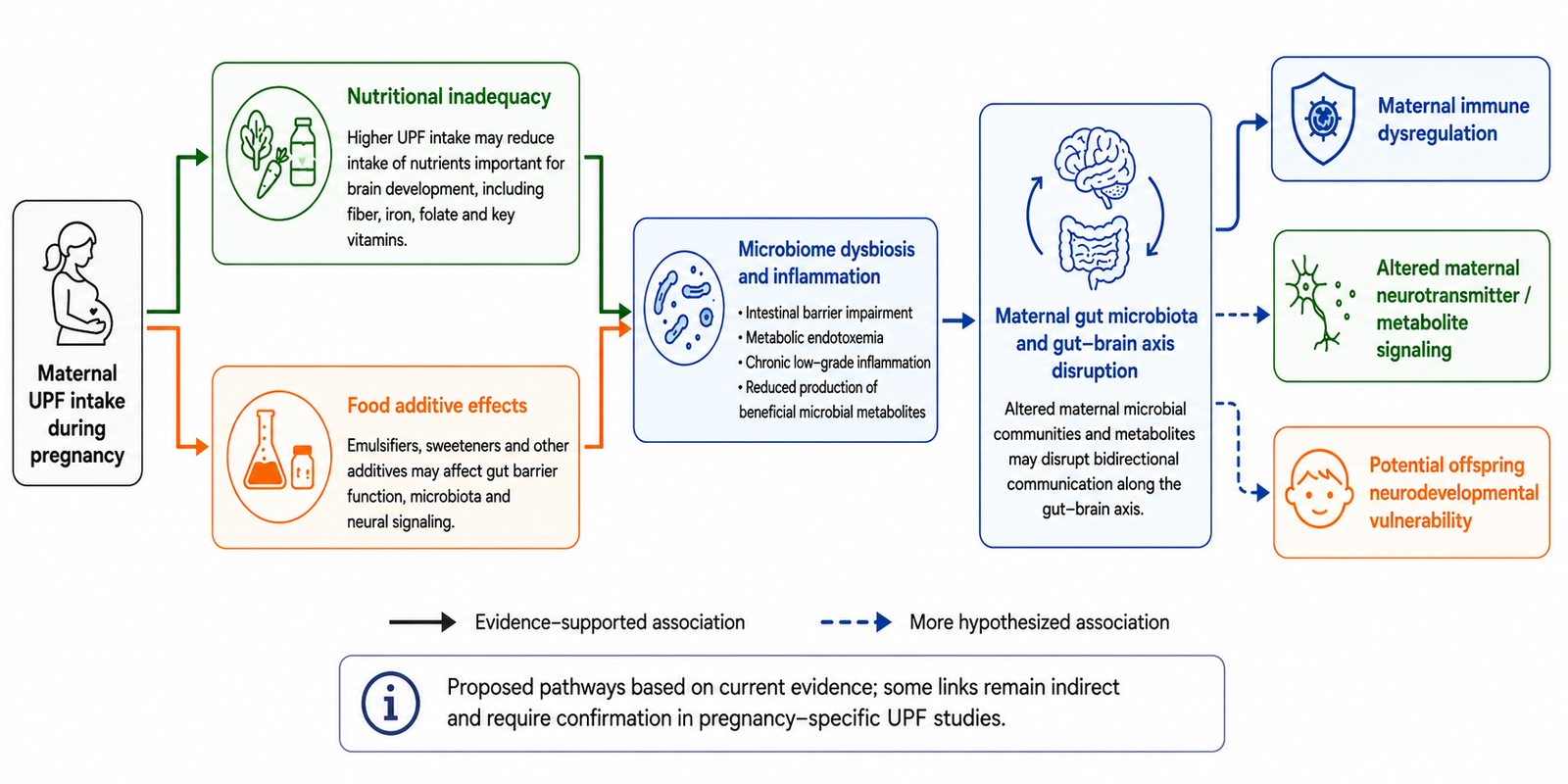
Researchers are tracking how early exposure to ultra-processed foods can impact health across generations, from a mother’s metabolism to an infant’s developing microbiome.
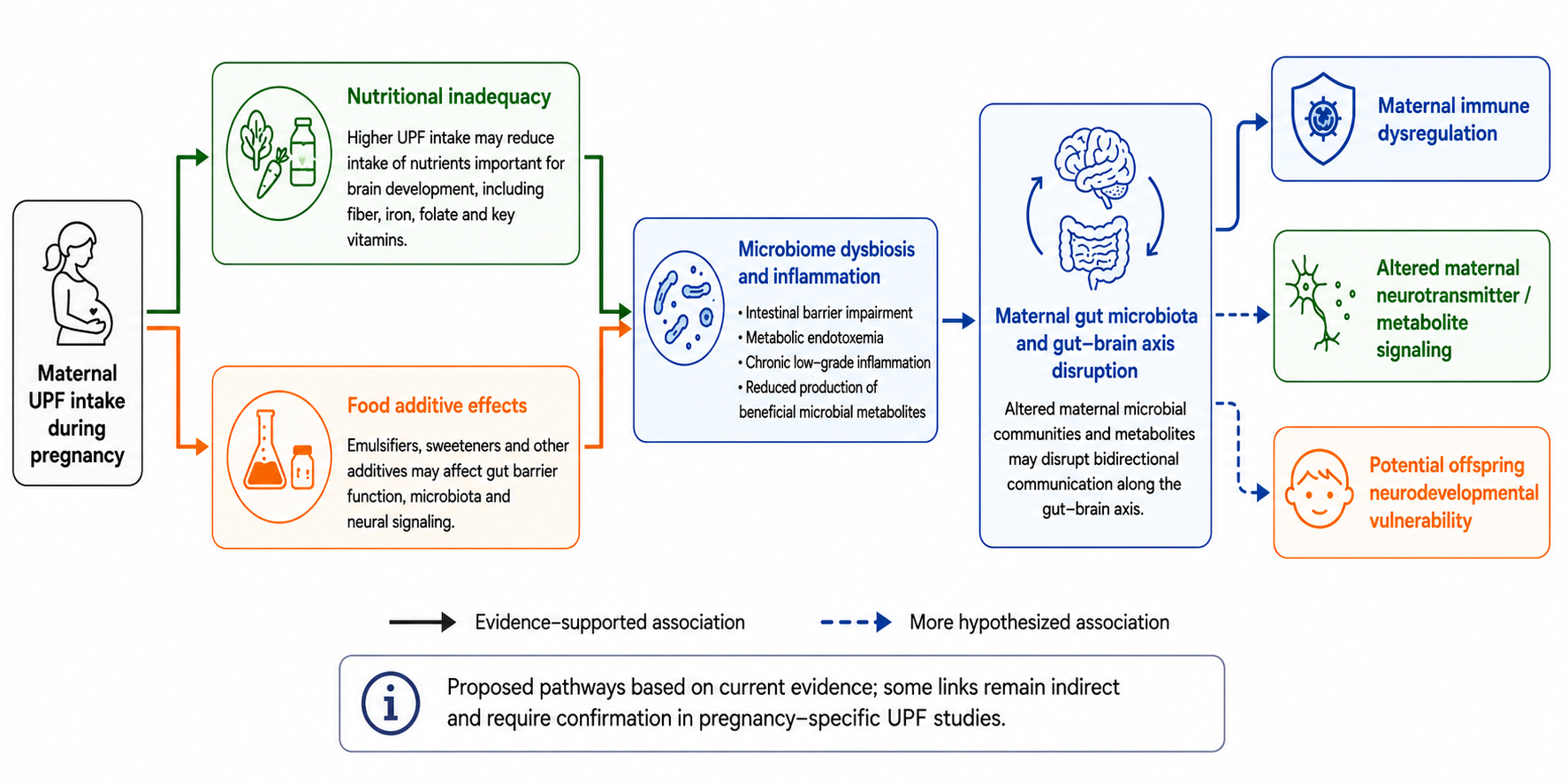
Proposed mechanism linking maternal UPF intake and gut-brain axis disruption. Image taken from López-Yerena, A., Pinto, V., Stella, BM, Yaşar, E., Camafort, M., Vives-Giralt, MQ, Casanovas-Garriga, F., Ruiz-Leon, AM, Estruch, R., and Casas, R. (2025). Unhealthy diets, unhealthy futures: How modern dietary patterns endanger the health of mothers and children. Nutrients, 18(14), 2320. https://www.mdpi.com/2072-6643/18/14/2320 using ChatGPT/OpenAI
In a recent review published in a magazine nutrientsThe authors’ group summarized current evidence on how ultra-processed food (UPF) consumption during pregnancy and early childhood is associated with adverse maternal health outcomes, offspring development, and gut microbiota, examining the biological, psychological, and social factors involved.
background
Can the foods consumed during pregnancy affect the health of the child after birth? UPF consumption has received worldwide attention. These products are high in sugar, saturated fat, salt, and food additives, but low in fiber and essential micronutrients.
Epidemiological studies have consistently associated increased UPF intake with obesity, type 2 diabetes, and cardiovascular disease.
Pregnancy and early childhood are particularly sensitive life stages, where nutrition can influence metabolism, immune function, and gut microbiota, which can impact health throughout life.
Literature search and evidence summary
The authors conducted a narrative review by searching the databases PubMed, Scopus, and Google Scholar for relevant English-language publications reporting human evidence up to January 2026 without restriction on publication date.
Animal experiments and clinical studies were excluded from the review. A total of 84 publications were reviewed, including 71 original research articles, 5 systematic reviews and meta-analyses, and 8 narrative reviews.
Findings were categorized into three interrelated themes: current consumption trends, health impacts, and proposed biopsychosocial pathways linking UPF exposure and maternal and child health.
Global trends and maternal health
UPF is becoming increasingly popular around the world due to its convenience and wide availability. Packaged snacks, sugar-sweetened beverages, prepared meals, sweetened cereals and processed baked goods now make up a major portion of daily intake in many countries. The increase in consumption reflects globalization and changes in the food system. However, this review points out that there is no universal threshold to define high UPF consumption, as most studies use population-specific categories such as tertiles and quartiles.
Several studies have linked increased UPF intake during pregnancy to poorer diet quality, with pregnant women reporting lower intakes of protein, fiber, vitamins, and essential minerals, and higher intakes of sodium and trans fat. Evidence summarized in this review also shows an association between increased intake and excessive gestational weight gain, maternal obesity, gestational diabetes, preeclampsia, increased inflammatory markers, and postpartum weight maintenance.
Some studies have further linked preconception UPF intake to impaired fetal growth, while preconception intake is associated with higher odds of gestational diabetes, especially in women over 30 years of age.
Increased intake is also associated with increased levels of stress, anxiety, sadness, and depression symptoms during pregnancy. However, this review points out some inconsistencies between studies. Although most of the findings are from observational studies, their consistency supports public health strategies to reduce UPF exposure during pregnancy.
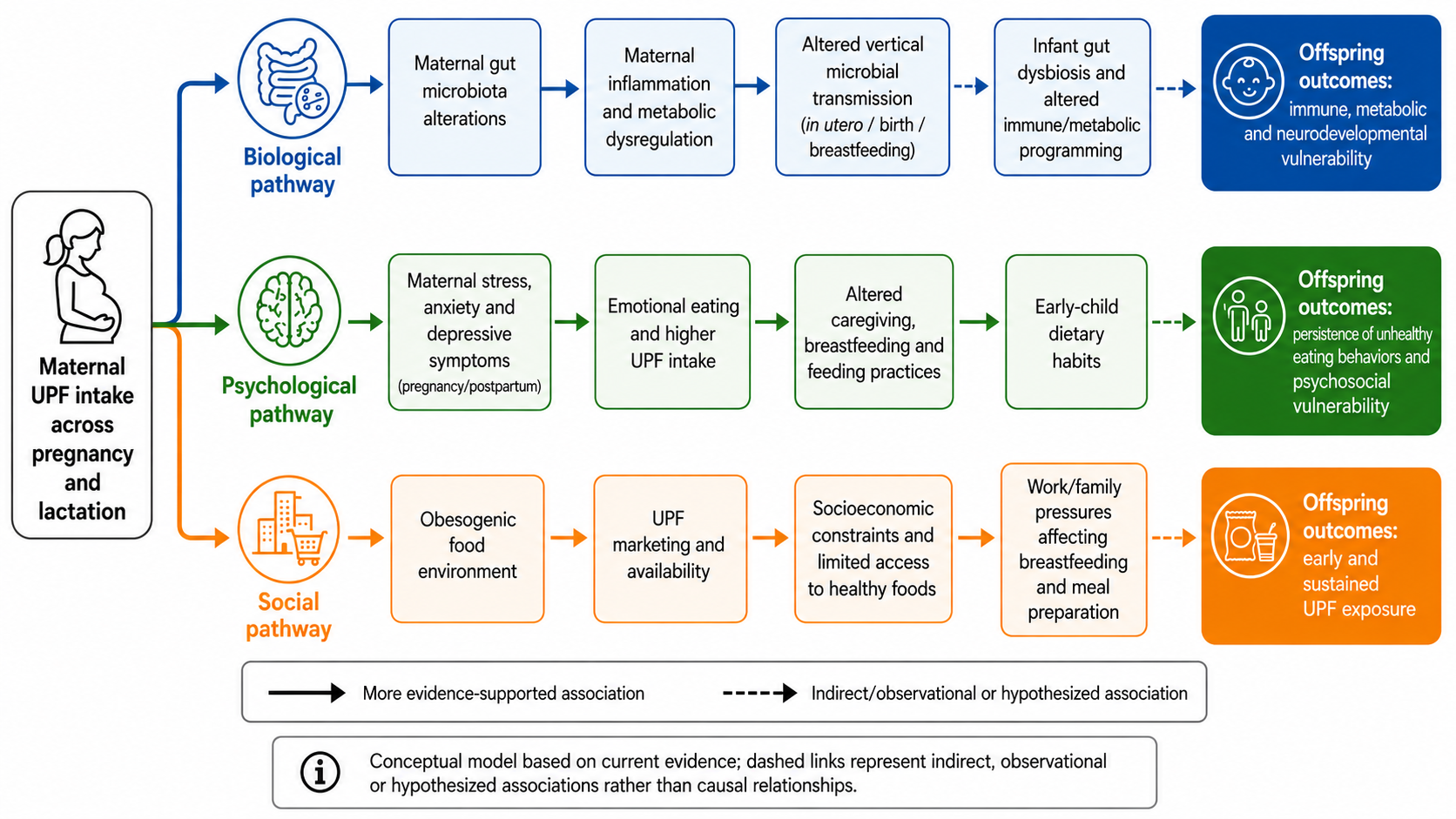
A biopsychosocial pathway model of the impact of UPF on maternal and child health.
Gut microbiota and early childhood nutrition
Pregnancy naturally alters the maternal gut microbiota in ways that are thought to support maternal metabolism and fetal development, but a UPF-enriched diet can further disrupt these microbial communities.
This review suggests that common components of UPF, such as emulsifiers, refined sugars, artificial sweeteners, and saturated fats, may alter microbial metabolism, increase intestinal permeability, reduce short-chain fatty acid production, and promote low-grade inflammation. These proposed pathways may contribute to impaired immune regulation and metabolic health and may alter the transmission of beneficial microorganisms from mother to child.
This review also highlights that UPF consumption begins early in life. Products classified as ultra-processed in the NOVA system include some commercial infant formula, baby snacks, breakfast cereals, ready-made products, and sweetened dairy products. However, the World Health Organization (WHO) recommends exclusive breastfeeding for the first six months of life and continued breastfeeding alongside complementary feeding until the age of two and beyond.
Maternal dietary habits have a significant influence on children’s eating behavior, while shorter breastfeeding duration, lower maternal education, socio-economic factors, food marketing, and increased screen time are associated with higher UPF intake.
Infancy is a critical period for the development of the intestinal flora. Evidence summarized in the review links early UPF exposure to changes in microbial composition. In one Brazilian cohort, researchers found higher levels of Bifidobacteria in breastfed children who did not receive UPF than those who received baby food. However, feeding conditions complicate attribution, and extensive knowledge of this genus remains inconclusive.
Separately, UPF intake during childhood has been associated with obesity, less favorable lipid profiles, chronic inflammation, food allergies, and anemia. One study also linked increased maternal UPF consumption during the third trimester of pregnancy to decreased language function in children aged 4 to 5 years. This review does not prove that changes in the microbiome caused these outcomes.
Infant feeding and biopsychosocial pathways
Although infant formula does not fully replicate the biological properties of breast milk, it remains a safe and nutritionally appropriate alternative when breastfeeding is not possible, sufficient, or medically appropriate. Breastfed babies tend to have a richer gut microbiome, including bifidobacteria and lactic acid bacteria.
Trials have shown that different milks supplemented with prebiotics, probiotics, postbiotics, or cow’s milk-derived oligosaccharides can promote a microbial profile that more closely resembles, although it does not perfectly replicate, that of breastfed infants.
The review also notes that while dietary diversity and some complementary foods may promote microbial development, cereals made from refined and hydrolyzed flours are not associated with a more favorable profile than cereals containing 50% whole grains and less sugar.
To explain these complex relationships, the authors propose a conceptual biopsychosocial pathway model. Biologically, UPF can alter the intestinal microbiota of mothers and infants, increase inflammation, and affect metabolic and immune development. Psychologically, stress, anxiety, and depressive symptoms can promote emotional UPF consumption.
Socially, less healthy breastfeeding patterns can be perpetuated by aggressive food marketing, socio-economic inequalities, and work-related barriers that limit access to breastfeeding and healthy home-grown foods.
This model is a conceptual framework rather than a proven causal pathway.
conclusion
This review concludes that high UPF intake during pregnancy and early childhood is an important public health concern with potential intergenerational effects.
Combined evidence links increased UPF intake with reduced maternal diet quality, metabolic and obstetric complications, altered microbiota, childhood obesity risk, and potential immunometabolic and neurodevelopmental effects.
Although the available evidence is primarily observational and cannot establish causality, the consistency of the reported associations and their biological plausibility support reduced exposure during these critical life stages.
The authors emphasize that public health strategies to reduce UPF exposure while supporting nutritionally adequate diets and further high-quality research are essential to improve maternal and child health outcomes. Further research is needed to clarify these relationships and develop effective nutritional interventions.
Reference magazines:
- López-Jelena, A., Pinto, V., Stella, B.M., Yashar, E., Camaforto, M., Vives-Giralto, M.Q., Casanovas-Garriga, F., Luis-Leon, A.M., Estorf, R., and Casas, R. (2026). Unhealthy diets, unhealthy futures: How modern dietary patterns endanger the health of mothers and children. nutrients. 18(14). Doi: 10.3390/nu18142320. https://www.mdpi.com/2072-6643/18/14/2320
