


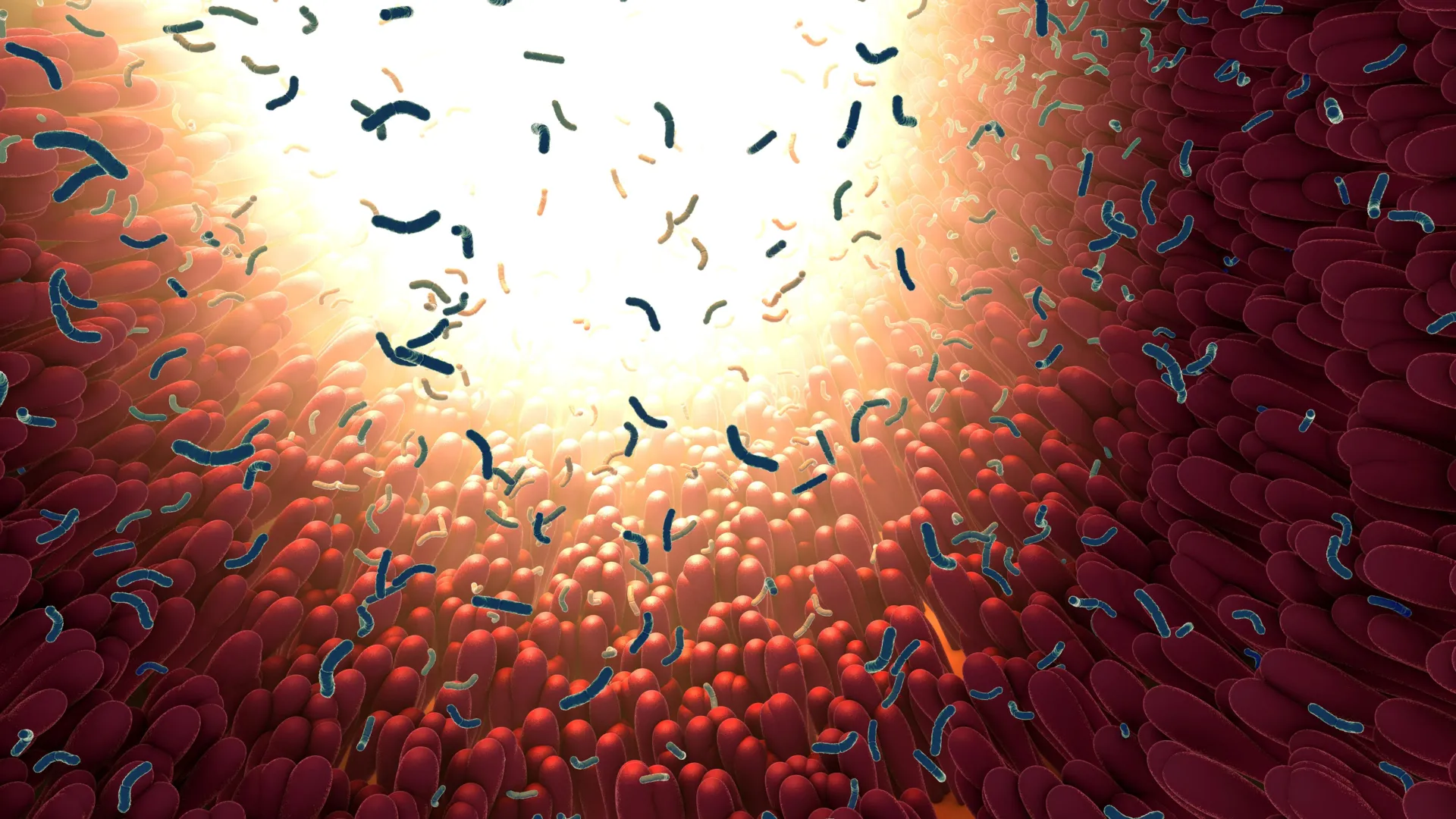
Commonly used sweeteners can directly interfere with the growth of bacteria that support a healthy gut, according to laboratory research from the University of Cambridge.
The strongest effects were seen when researchers combined isosteviol, a sweetener used in the food and beverage industry, with the antidepressant duloxetine. Combining the two compounds significantly reduced the growth of two important bacterial species associated with digestive health, blood sugar regulation, and immune function.
Scientists caution that the experiment was carried out in a laboratory and not on humans. Therefore, further research will be needed to determine whether bacterial changes result in meaningful health effects under real-world conditions.
Sweeteners may not be biologically inert
Sweeteners are found in countless everyday products, including soft drinks, candy, desserts, breakfast cereals, snacks, and some medications. These are commonly promoted as an alternative that provides sweetness with less sugar and calories.
However, there is growing evidence linking sweetener intake to conditions such as type 2 diabetes, obesity, and cancer. These associations do not prove that sweeteners directly cause these diseases, and researchers are still working to understand the biological processes that may explain the association.
One possible factor is your gut microbiome, a huge community of bacteria and other microorganisms that live in your digestive system. These microorganisms help break down food, produce useful compounds, train the immune system, and influence metabolism. Changes in the number and balance of these microorganisms can affect your overall health.
Despite the widespread use of sweeteners, relatively few studies have investigated whether sweeteners directly affect individual gut bacteria.
Professor Kiran Patil, from the Medical Research Council (MRC) Toxicology Unit at the University of Cambridge, said: “Most of what we know about the potential effects of sweeteners on our health comes from animal and population studies. These studies show that the microbiome is involved in mediating the effects of sweeteners, but it is difficult to know how sweeteners act in the body. Is it through direct interactions with gut bacteria?”
“The answer is further complicated by the fact that we rarely consume sweeteners on their own. We consume them with drinks, in snacks, or even in medicine to mask the bitter taste,” added the study’s lead author, Dr. Sonja Blasche from the MRC Toxicology Unit.
39 types of sweeteners tested against intestinal bacteria
In the study, published in Molecular Systems Biology, Dr. Blasche and colleagues investigated how artificial and low-calorie sweeteners affect gut bacteria. They also looked at whether the effects of sweeteners changed when they were mixed with substances commonly found in foods, drinks, and medicines.
The research team cultivated 25 different types of bacteria separately in the laboratory. The selection included bacteria considered beneficial, neutral, or potentially harmful.
Each species was then exposed to 39 commercially available sweeteners, both natural and artificial. The researchers monitored how fast each bacterial culture grew and whether its growth slowed or stopped.
Approximately three-quarters of the sweeteners affected the growth of at least one type of bacteria. Some reduced or completely stopped the growth of bacteria associated with a healthy digestive system.
These findings suggest that some sweeteners are not simply inert substances that pass through the gastrointestinal tract without interacting with the organisms that live there.
Over 100 unexpected interactions
Few people consume sweeteners alone. This may appear with caffeine in drinks, flavorings in desserts, or active ingredients in medicines.
To recreate some of that complexity, researchers combined sweeteners with substances such as caffeine, vanillin (vanilla extract), advantame (an artificial sweetener), and eight commonly used drugs.
The research team identified more than 100 cases where the effect of a sweetener changed when another compound was present. The combined effect was stronger in 34 cases and weaker in 68 cases.
This means that the effects of a particular sweetener may depend in part on other sweeteners ingested at the same time.
The combination of antidepressants stands out
The most dramatic results involved isosteviol and duloxetine, an antidepressant prescribed to treat depression, anxiety, and certain types of chronic pain.
When used together, these compounds strongly inhibited Roseburia intestinalis and Parabacteroides merdae. Both species are considered important members of the gut microbiome and are associated with digestive health and metabolic regulation.
Duloxetine is widely used. In 2023, more than 4.2 million patients in the United States will receive a prescription for this drug.
Studying bacteria one species at a time reveals direct effects, but the human gut is a crowded ecosystem where microorganisms are constantly interacting. To better reflect these conditions, the scientists constructed a simplified microbial community that included all 25 species of bacteria.
They allowed the community to develop and then exposed them to different combinations of sweeteners and drugs. The researchers tracked which species became more abundant, which declined, and whether the community maintained its overall diversity.
Reduced gut microbial diversity
The combination of isosteviol and duloxetine reduced microbial diversity within the synthetic community. Although the ideal microbial composition can vary from person to person, high diversity is generally considered to be a hallmark of a resilient and healthy gut microbiome.
This combination also changed the internal balance of the community, allowing some bacterial species to thrive while others to decline.
Additional experiments suggested that these changes increase toxicity to certain host cells. It also interfered with the activity of other cells involved in inflammation and immune responses.
These results raise the possibility that interactions between sweeteners, drugs, and microorganisms affect more than just digestion. However, simplified experimental systems cannot fully reproduce the complexity of the human body.
Dr. Brachet said, “Sweeteners are often marketed as metabolically neutral, but our study challenges this idea. We found that sweeteners can have a direct effect on gut bacteria, especially when mixed with other compounds such as pharmaceuticals or food additives. These common combinations can have unintended effects on our gut microbiome.”
Human research is still needed
The researchers stress that their findings should not be interpreted as evidence that the sweeteners or the combinations tested are harmful to humans.
The experiments involved bacterial and cell models under controlled laboratory conditions. In the human digestive system, sweeteners may be absorbed, chemically changed, diluted, or degraded before reaching certain microorganisms. Diet, genetics, drug use, and the existing composition of an individual’s microbiome can also change the outcome.
Future studies will need to determine whether similar interactions occur in humans, what doses are needed, and whether changes in microbes have measurable effects on health.
Professor Patil, senior author of the study, added: “Our study suggests that artificial sweeteners do not just pass through the body passively, but may interact with gut bacteria, and that these effects can be amplified or modified by other substances, such as drugs. These findings will guide new research to understand how sweeteners can affect health in unexpected ways.”
The research was funded by the European Union’s Horizon 2020 program and the UK Medical Research Council.
