

Close Menu

    Subscribe to Updates

    Get the latest creative news from FooBar about art, design and business.

    What's Hot

    Daylight Saving Time Changes, Poison, and Sean Kaufman: Morning Round

    July 16, 2026

    Oxytocin nasal spray may help people with borderline personality disorder engage in self-compassion meditation

    July 16, 2026

    Scientists finally figure out how common gut bacteria cause colon cancer

    July 16, 2026
    Facebook X (Twitter) Instagram
    Facebook X (Twitter) Instagram
    Health Magazine
    • Home
    • Environmental Health
    • Health Technology
    • Medical Research
    • Mental Health
    • Nutrition Science
    • Pharma
    • Public Health
    • Discover
      • Daily Health Tips
      • Financial Health & Stability
      • Holistic Health & Wellness
      • Mental Health
      • Nutrition & Dietary Trends
      • Professional & Personal Growth
    • Our Mission
    Health Magazine
    Home » News » Research highlights barriers to breast cancer screening faced by black women in the UK
    Discover

    Research highlights barriers to breast cancer screening faced by black women in the UK

    healthadminBy healthadminJuly 16, 2026No Comments4 Mins Read
    Research highlights barriers to breast cancer screening faced by black women in the UK
    Share
    Facebook Twitter Reddit Telegram Pinterest Email


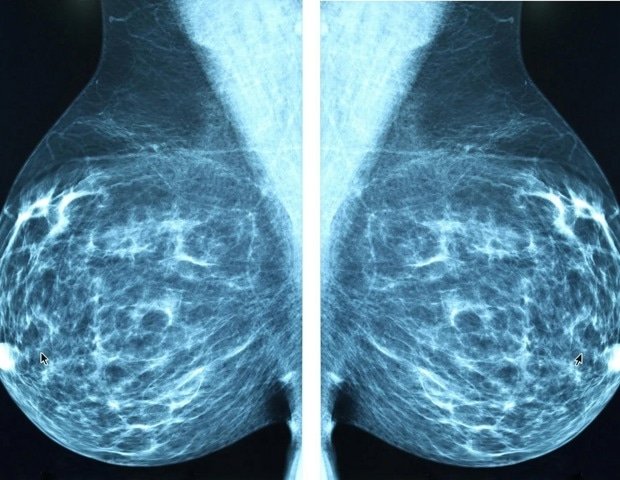
    Black African and Caribbean women in the UK want clearer and more accessible information about breast cancer screening, according to research from the University of Surrey.

    Researchers in Surrey sought to understand why black women are less likely to receive breast cancer screening than white women. Focus groups and interviews were conducted with 47 black African and Caribbean women aged 50 to 71, an age group regularly invited for NHS breast cancer screening, to find out why only 45% of black women attend screening compared to 63% of white women.

    Diagnosing breast cancer early dramatically improves your chances of survival. Breast cancer screening plays an important role in this regard by identifying cancer and ensuring prompt treatment.

    Despite the importance of testing, black women are less likely than white women to attend medical appointments. This delays the diagnosis of potential cancers and puts them at risk of spreading to other areas of the body. We need to understand what prevents Black women from attending these appointments and help identify ways to remove such barriers. ”

    Anieti Aliu, first author of the paper, Postgraduate Research Fellow, University of Surrey, Registered Nurse

    This study found that there is a need to increase awareness of breast cancer screening, especially among women who are less familiar with breast cancer screening services. Some women, especially those born outside the UK, had limited knowledge about breast cancer screening before receiving their first invitation. Some questioned why screening was needed if there were no symptoms.

    The importance of authentic conversations among this group was also confirmed.

    Researchers found that some black women expect their GP to talk to them about breast cancer screening, especially before they reach screening age. Although breast cancer screening is organized through national screening services, researchers point out that GPs often have established relationships with patients and may be better placed to provide women with concise, opportunistic advice about preventive treatment, including breast cancer screening information.

    To improve knowledge and attendance at screening appointments, participants suggested strengthening connections with GP practices, breast cancer screening services, and black community advocates so that women can receive reliable information, ask questions, and feel safe.

    Researchers also found that faith and religious beliefs influenced some women’s decision-making. For example, some Black African Christians argued that God does not allow diseases, including cancer, to occur in their bodies, while others, by contrast, considered testing to be a personal choice consistent with Christian beliefs.

    Muslim women noted the importance of stating their religion on the appointment form to guarantee a female mammographer, and emphasized that religious beliefs can influence a woman’s decision to participate in the screening.

    Anieti Aliu added:

    “Breast cancer screening can save lives, but our findings show that participation, not just awareness, is shaped by multiple factors, but awareness remains important. Women need relatable screening information, reassurance, flexible bookings, and services available within their communities. Many felt that invitations were too formal, and images in flyers and media did not reflect them, making it difficult for them to relate to screening.”

    Dr Afrodita Marc, senior research fellow at the University of Surrey and member of the research team, added:

    “We need a more collaborative approach where primary care, testing services and community voices work together to support women before, during and after their invitation.”

    The researchers note that future breast cancer screening interventions need to be designed with Black women in mind, not for them. They highlight that user-friendly and culturally relevant resources developed in partnership with local communities, health professionals and testing services can help increase understanding, reduce fear and make breast cancer testing more accessible and reassuring.

    Dr Robert Kerrison, Associate Professor of Cancer Therapy at the University of Surrey, who was also part of the research team, said:

    “There is no question that breast cancer screening saves lives, but we need to ensure that women understand, use and feel safe about the program. This means improving communication, addressing practical barriers and supporting health professionals and community partners to provide clear and reliable information.”

    Based on these findings, the research team also explored the perspectives of health professionals and collaborated with stakeholders to develop user-friendly intervention materials for Black women. The researchers believe this type of co-designed approach is important. Because it ensures that breast cancer screening messages are culturally relevant, practical, and shaped by the people they support.


    Source link

    Visited 2 times, 2 visit(s) today
    Share. Facebook Twitter Pinterest LinkedIn Telegram Reddit Email
    Previous ArticleWeight loss drugs may reduce symptoms of bulimia
    Next Article Longer sleep may indicate early brain changes associated with Alzheimer’s disease
    healthadmin

    Related Posts

    Limited attention can make rare events more likely to occur over time

    July 16, 2026

    Extending myeloma maintenance therapy does not show additional survival benefit

    July 16, 2026

    Longer sleep may indicate early brain changes associated with Alzheimer’s disease

    July 16, 2026

    Weight loss drugs may reduce symptoms of bulimia

    July 16, 2026

    Epidural anesthesia during labor does not pose significant risks to the newborn

    July 16, 2026

    Scientists develop ultra-thin skin sensor for seamless health tracking

    July 15, 2026
    Add A Comment
    Leave A Reply Cancel Reply

    Categories

    • Daily Health Tips
    • Discover
    • Environmental Health
    • Exercise & Fitness
    • Featured
    • Featured Videos
    • Financial Health & Stability
    • Fitness
    • Fitness Updates
    • Health
    • Health Technology
    • Healthy Aging
    • Healthy Living
    • Holistic Healing
    • Holistic Health & Wellness
    • Medical Research
    • Medical Research & Insights
    • Mental Health
    • Mental Wellness
    • Natural Remedies
    • New Workouts
    • Nutrition
    • Nutrition & Dietary Trends
    • Nutrition & Superfoods
    • Nutrition Science
    • Pharma
    • Preventive Healthcare
    • Professional & Personal Growth
    • Public Health
    • Public Health & Awareness
    • Selected
    • Sleep & Recovery
    • Top Programs
    • Weight Management
    • Workouts
    Popular Posts
    • 1773313737_bacteria_-_Sebastian_Kaulitzki_46826fb7971649bfaca04a9b4cef3309-620x480.jpgHow Sino Biological ProPure™ redefines ultra-low… March 12, 2026
    • pexels-david-bartus-442116The food industry needs to act now to cut greenhouse… January 2, 2022
    • 1773729862_TagImage-3347-458389964760995353448-620x480.jpgDespite safety concerns, parents underestimate the… March 17, 2026
    • 1773209206_futuristic_techno_design_on_background_of_supercomputer_data_center_-_Image_-_Timofeev_Vladimir_M1_4.jpegMulti-agent AI systems outperform single models… March 11, 2026
    • 1774403998_image_28620e4b6b0047f7ab9154b41d739db1-620x480.jpgGait pattern helps distinguish between Lewy body… March 24, 2026
    • Leukemia-620x480.jpgBiomimetic platform powers CAR T therapy for… March 9, 2026

    Demo
    Stay In Touch
    • Facebook
    • Twitter
    • Pinterest
    • Instagram
    • YouTube
    • Vimeo
    Don't Miss

    Daylight Saving Time Changes, Poison, and Sean Kaufman: Morning Round

    By healthadminJuly 16, 2026

    Teresa is the lead writer for Morning Round, and her articles focus on gender-affirming care,…

    Oxytocin nasal spray may help people with borderline personality disorder engage in self-compassion meditation

    July 16, 2026

    Scientists finally figure out how common gut bacteria cause colon cancer

    July 16, 2026

    AI flags over 250,000 questionable cancer research papers

    July 16, 2026

    Subscribe to Updates

    Get the latest creative news from SmartMag about art & design.

    HealthxMagazine
    HealthxMagazine

    At HealthX Magazine, we are dedicated to empowering entrepreneurs, doctors, chiropractors, healthcare professionals, personal trainers, executives, thought leaders, and anyone striving for optimal health.

    Our Picks

    AI flags over 250,000 questionable cancer research papers

    July 16, 2026

    Quantum breakthrough links light and magnetism in thin materials at the atomic level

    July 16, 2026

    More than 400 people sickened as CDC investigates cause of mysterious outbreak

    July 16, 2026
    New Comments
      Facebook X (Twitter) Instagram Pinterest
      • Home
      • Privacy Policy
      • Our Mission
      © 2026 ThemeSphere. Designed by ThemeSphere.

      Type above and press Enter to search. Press Esc to cancel.