


Claim:
The post claims that microplastics that accumulate in the male reproductive system can cause testicular inflammation, lower testosterone levels, and reduce sperm count, thereby negatively impacting fertility. Additionally, they claim that by reducing exposure to plastics and following a sauna-based “detox” protocol, you can remove most microplastics from sperm and improve reproductive health.
fact:
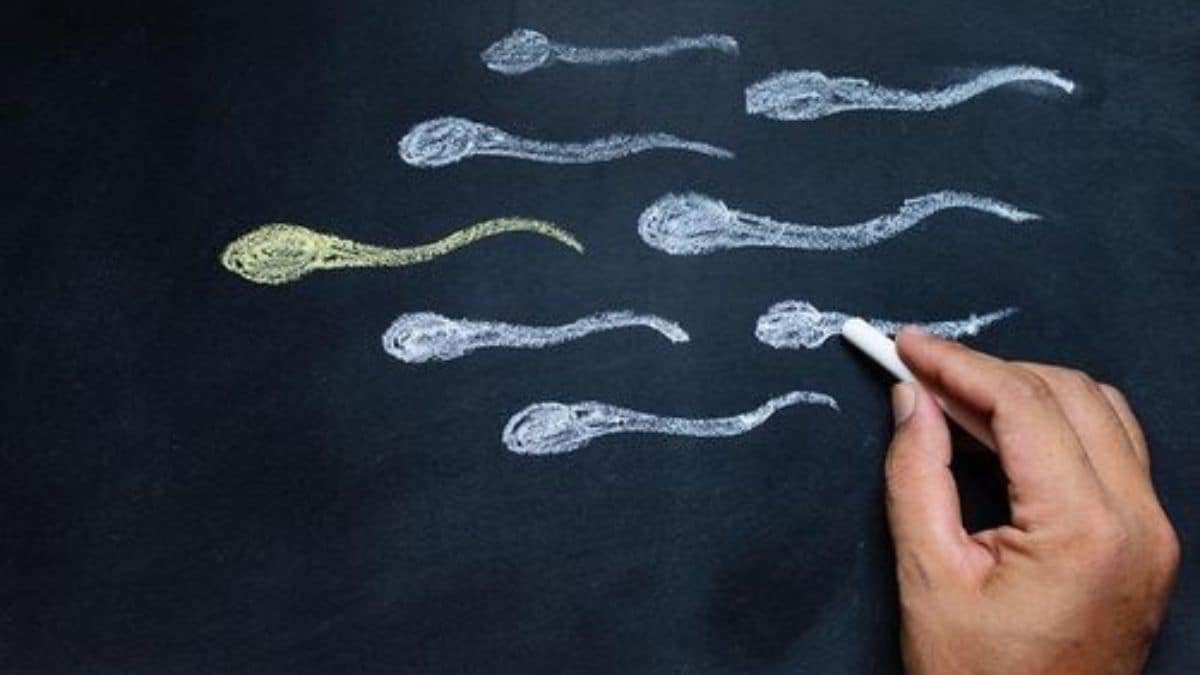
Studies have detected microplastics in human testes and semen, and animal and observational studies suggest that microplastics can negatively impact sperm quality and reproductive health. However, at this time, there is no conclusive evidence that microplastics directly cause infertility in men, nor is there any scientific evidence that sauna-based “detox” protocols can remove microplastics from sperm or improve fertility. In fact, prolonged exposure to heat can itself impair sperm production and quality.
Brian Johnson, a technology entrepreneur and longevity enthusiast known for spending millions of dollars on his anti-aging therapies and “Blueprint” project aimed at slowing biological aging, claimed in a viral LinkedIn post that microplastics that accumulate in men’s reproductive systems have a negative impact on fertility, and that lifestyle measures such as sauna sessions can help remove them.
In the video, Johnson is seen reacting to a clip of a woman saying, “I don’t understand why I can’t get pregnant,” before an image of a plastic container appears on screen. She argues that infertility has long been seen as a women’s problem, and that men need to take responsibility too. “Guys, you have microplastics in your balls. Your fertility is compromised. I’m going to help you,” he says.
Johnson claims that microplastics can cause testicular inflammation, reduced sperm counts and decreased testosterone levels. He advises reducing exposure by avoiding heating food in plastic containers, avoiding plastic cutting boards and polyester clothing, and using reverse osmosis or carbon block water filters to limit microplastics in drinking water.
Johnson also claims that he was able to remove “85% of the microplastics” from his sperm through a detox protocol that included daily saunas at 200 degrees Fahrenheit, wearing 100% cotton clothing, and applying ice to his testicles in the process. “Saunas have negative effects on fertility if they don’t cool men down,” he said, adding, “Men, for too long we’ve put the blame for infertility on women. Have a ball and do your part.”
The post sparked widespread discussion online, with many users questioning whether microplastics can actually impair male fertility and whether saunas and other interventions can effectively remove microplastics from the body.
How accurate are Brian Johnson’s claims about microplastics and male fertility?
Available evidence supports concerns that microplastics can negatively impact male reproductive health, but much of the mechanistic evidence comes from animal studies. Scientists agree that larger human studies are needed to draw firm conclusions about the extent to which microplastics contribute to male infertility.
A 2024 study used pyrolysis gas chromatography/mass spectrometry to examine testicular tissue from 23 men and 47 dogs and identified various plastic polymers. The researchers found microplastics present in all samples analyzed, with polyethylene (PE) being the most prevalent. The study also observed a negative correlation between certain plastics, particularly PVC and PET, and testicular weight in dogs. The authors said: “These findings highlight the widespread presence of microplastics in the testicular male reproductive system of both dogs and humans, with potential implications for male fertility.”
At the same time, the researchers stressed that their findings should be interpreted with caution. “The observed association between the presence of microplastics and sperm parameters does not imply a causal relationship,” the researchers wrote, noting that the human samples are not representative of the broader population and that larger studies are needed to determine whether current levels of microplastics affect male reproductive function.
Further evidence came from another cross-sectional study in 2024 of 113 men from three regions of China. The researchers detected microplastics in all semen and urine samples, and most participants were exposed to three to five different polymers. They found that exposure to polytetrafluoroethylene (PTFE), commonly used in nonstick cookware, was associated with decreased semen quality. The analysis showed that each additional type of microplastic exposure was associated with a progressive decrease in sperm number, concentration, and motility. The authors concluded that their findings “highlight the potential reproductive health risks posed by microplastic pollution, particularly PTFE,” and stressed that further research is needed to understand the underlying mechanisms and long-term effects.
In addition to this, a 2025 review investigating the link between microplastics and infertility noted that these particles have already been detected in blood, placental tissue, and semen, and that humans may be continually exposed to them. Based on animal studies and the limited human data available, the authors reported that microplastics may contribute to reproductive dysfunction through oxidative stress, cell apoptosis, and hormonal disturbances. They concluded that “although direct evidence in humans is limited, the presence of MPs in human reproductive tissues and their overlap with the mechanisms affected provides a solid basis for future studies.”
Recent animal studies are providing insight into how microplastics damage reproductive tissues. A 2026 study that exposed male rats to low doses of polystyrene microplastics found a dose-dependent decrease in sperm count and motility, an increase in sperm abnormalities, and a decrease in testosterone levels. The particles were detected in testicular tissue at high doses, and the researchers observed inflammation, oxidative stress, mitochondrial dysfunction, and structural damage to the testes. Summarizing their findings, the authors write that exposure to polystyrene microplastics “impaired semen quality, disrupted sex hormones, and induced significant testicular histopathological damage in adult male rats.”
Similarly, another study in 2026 highlighted that microplastics can enter the body through food, air, and skin contact and interfere with multiple stages of reproduction. The review states that these particles can “impact testicular structure and function,” disrupting spermatogenesis and altering hormone production. However, the authors emphasized that human studies are urgently needed to establish whether these mechanisms lead to infertility in real-world populations.
taken by experts
Dr. Santosh Raj, Consultant, General Surgery and Laparoscopic Surgery, Male Infertility and Sexual Health, Maternal Hospital, Banashankari, Bangalore, said that although the presence of microplastics in the male reproductive system has been established, the direct role of microplastics in causing infertility in humans is yet to be proven.
“Although there is clear evidence that microplastics have been detected in testicular tissue and men’s semen samples, there is still no scientific evidence that these particles directly lead to testicular inflammation, reduced sperm production, reduced testosterone levels, or infertility,” he said.
Dr. Raj explained that most of the available evidence on the harmful effects of microplastics comes from animal experiments and cell culture studies. Although some human studies have found that men with higher levels of microplastics in their genital tracts tend to have lower sperm parameters, he cautioned against interpreting these associations as evidence of causation. “Men are simultaneously exposed to many chemicals and lifestyle factors such as stress and diet, making it difficult to pinpoint the specific impact of microplastics at this time,” he said.
Regarding sources of exposure, Dr. Raj said that while not all sources of exposure carry the same risks, daily plastic use contributes significantly to the body’s microplastic burden. She said heating food in plastic containers and using plastic cutting boards are among the main culprits, and these processes can release millions of tiny plastic particles. He added that bottled water and unfiltered tap water are also important routes of exposure.
However, he stressed that there is currently no clinical evidence to show that reducing the use of plastic or installing water filters directly improves sperm counts or testosterone levels. “From a physiological perspective, it makes sense to reduce overall toxin exposure, and limiting the use of plastics may also reduce exposure to plastic-related chemicals such as phthalates and bisphenols,” he said. At the same time, he noted that no studies have yet determined how quickly the human body can clear microplastics after exposure to them has decreased.
Commenting on Brian Johnson’s claims about sauna detoxification, Dr Raj said there was no scientific basis for claims that such methods could remove 85% of microplastics from semen. “There is absolutely no published evidence to support this claim. Microplastics do not have the biological ability to be excreted from the body through sweat or semen in response to heat exposure,” he said.
He also warned that frequent exposure to high temperatures can actually have a negative effect on male fertility. “Sperm production requires temperatures lower than core body temperature, so the testicles are outside the body. Exposure to excessive heat, such as repeated sauna use, can cause thermal damage, which can lead to reduced sperm counts, decreased sperm motility, and even damage to sperm DNA,” Dr. Raj said.
This article was produced in partnership with First Check, the health journalism arm of DataLEADS.
