


According to a study published in Psychology of Aesthetics, Creativity, and the Arts, professional visual artists have unique brain structures and activity patterns that appear to support the vivid mental imagery needed to create art.
Most people can draw, paint, or sketch to some extent, but only a few develop the expertise necessary to become a professional artist. Scientists have long been interested in creativity, but little is known about how years of artistic training affect the brain. Previous research has identified brain networks involved in idea generation and refinement, but most research has focused on creativity in ordinary people rather than professional artists.
To address this gap, researchers wanted to investigate whether professional visual artists have unique brain characteristics that distinguish them from people with no artistic training. Rather than looking at a single brain measurement, they combined several types of brain images to build a more complete picture of the artists’ brains.
A research team led by Erdem Taskilan from the University of Trento in Italy surveyed 24 adults, including 12 professional visual artists and 12 matched non-artists. The sample consisted of 14 men and 10 women, with an average age of approximately 31 years for artists and approximately 30 years for controls.
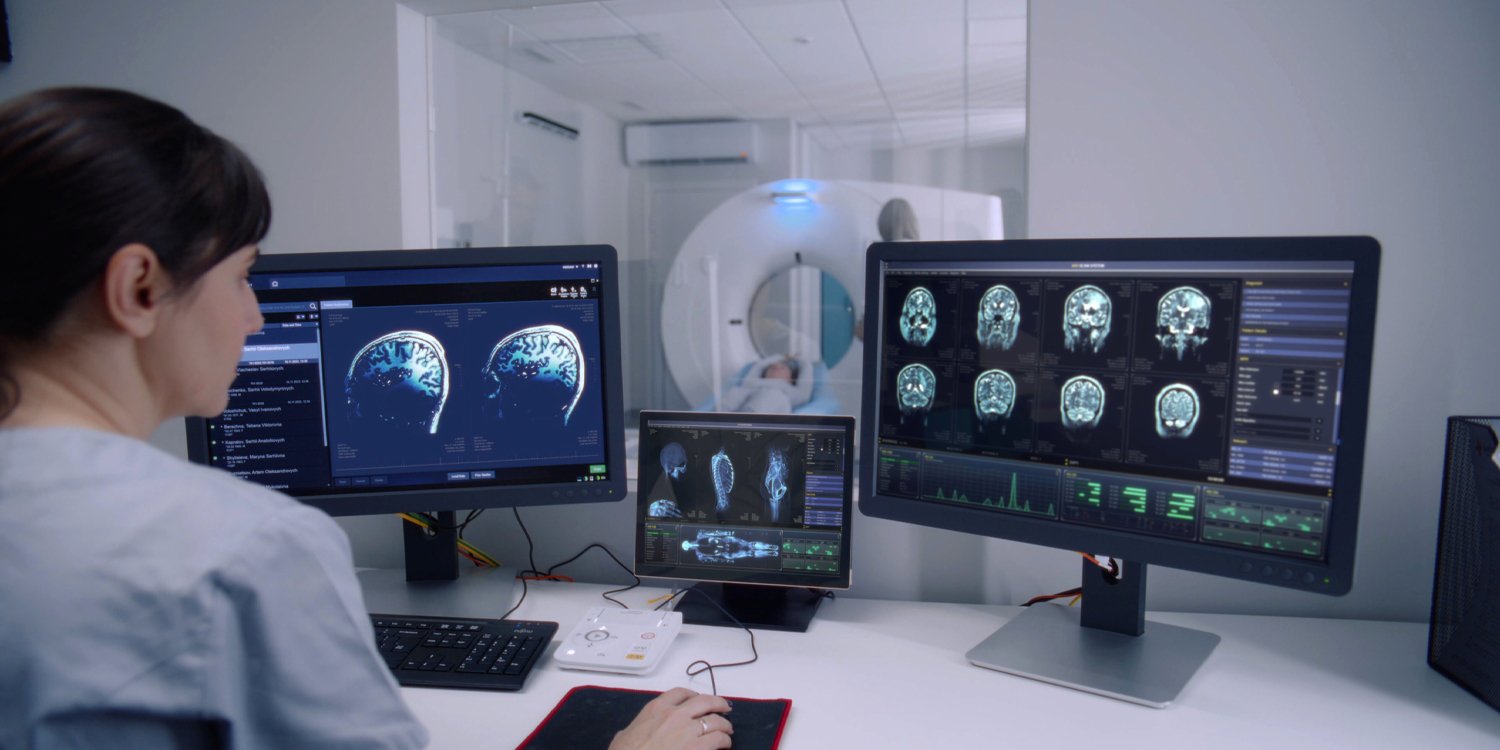
Participants completed three different magnetic resonance imaging brain scans that measured brain structure, communication pathways, and resting brain activity. They also completed a questionnaire that measured how clearly they could imagine visual scenes in their minds. The researchers then used machine learning techniques to identify common patterns across different brain scans.
This analysis revealed one combined brain pattern that clearly differentiates artists from non-artists. Compared to a control group, artists had greater gray matter volume in several brain regions involved in planning, visual processing, and memory. It was also shown that white matter has strong connections with areas responsible for visual processing, executive control, and fine motor skills, and that synchrony between the cerebellum and basal ganglia is increased. These are areas of the brain that help coordinate movement, learning, and habit formation.
Importantly, participants who showed this brain pattern also reported more vivid mental imagery, suggesting that these brain differences may support the ability to visualize artistic ideas in their heads before putting them down on paper or canvas.
As the authors summarize, “Our findings advance the understanding of artistic creativity by showing that professional expertise goes beyond traditional creativity networks to encompass cerebellar, sensorimotor, and subcortical systems.”
The researchers caution that the study has some important limitations. For example, if the sample size is small, the results should be replicated in a larger group. The study also compared artists and non-artists at one point in time, so it was not possible to determine whether years of artistic training resulted in these brain differences, or whether people with naturally different brains were more likely to become artists.
The study, “The Artist’s Brain: A Data Fusion Approach to Characterize the Neural Underpinnings of Professional Visual Artists,” was authored by Erdem Taskiran, Francesca Bacci, David Melcher, Alessandro Grecucci, and Nicola De Pisapia.
