


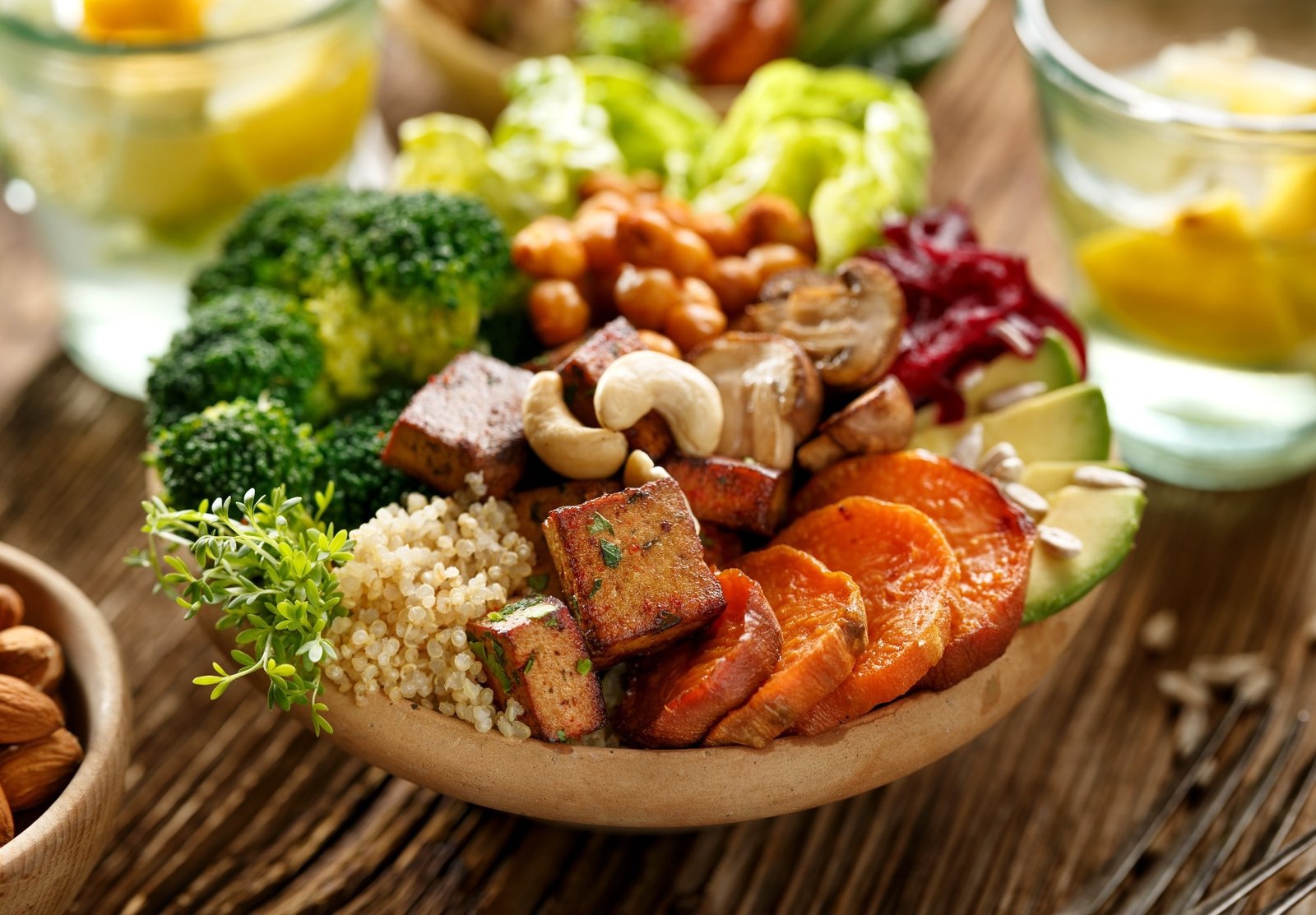
One study found that while a vegan diet without supplements was associated with healthier body composition and cholesterol levels, it also had a significantly higher risk of inadequate intake of important vitamins and minerals, highlighting the importance of careful dietary planning.
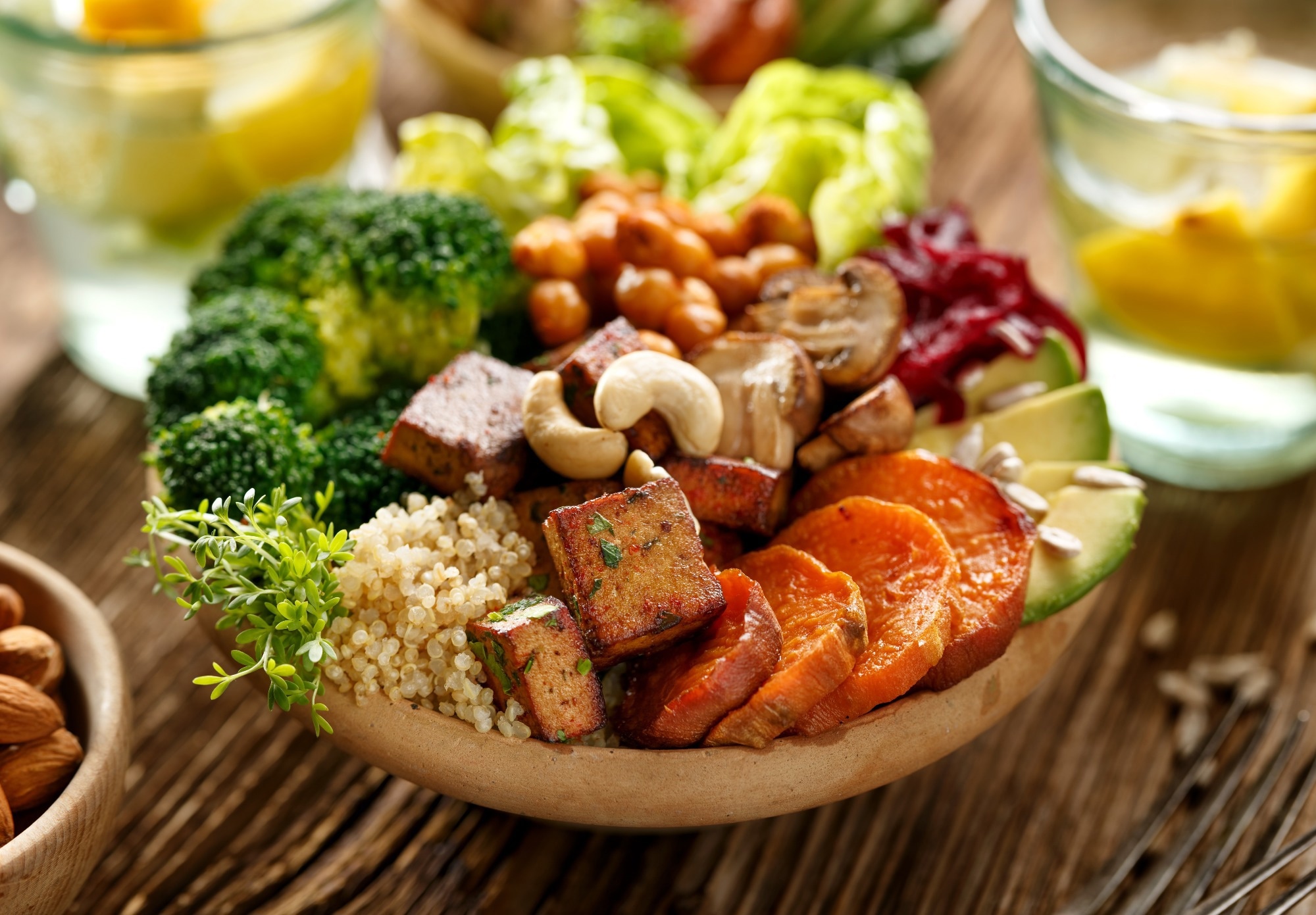 Study: Healthier macronutrient profile but higher risk of certain micronutrient deficiencies: A cross-sectional study of vegans, lacto-ovo vegetarians, and omnivores in Northeast China. Image credit: zi3000/Shutterstock.com
New research published in journal nutrients Significant micronutrient deficiencies have been reported among unsupplemented vegans and vegetarians in Northeast China.
Researchers compare plant-based diets in northeastern China
Plant-based foods are becoming extremely popular in the daily diet due to their beneficial impact on both human and planetary health. The proportion of vegetarians in China is rapidly increasing. In line with this trend, the Chinese government is promoting a plant-based diet through updated dietary guidelines for residents of China.
Numerous studies have linked balanced vegetarian and vegan dietary patterns to a reduced risk of cardiometabolic diseases and certain cancers. These benefits can be attributed to lower intakes of saturated fat and refined sugars, and higher intakes of dietary fiber, unsaturated fats, vitamins, and minerals.
Despite the significant health benefits, concerns remain as to whether these dietary patterns can provide sufficient amounts of all essential micronutrients, especially when supplements and fortified foods are not included in the diet.
People living in northeastern China have a unique dietary habit, characterized by high intakes of red meat, pickled vegetables, and fermented soybean products, all of which are rich in several nutrients. However, vegans and vegetarians living in this region may suffer from nutritional deficiencies. This is because plant-based diets have lower intakes of some nutrients, long winters in northeast China limit vitamin D synthesis, and soils naturally low in iodine and selenium may increase this risk.
Considering the lack of evidence regarding the nutritional status of vegans and vegetarians living in Northeast China, this study was designed to compare dietary intake, body composition, and nutritional biomarkers across three dietary groups, including vegans (diet excluding all animal foods and by-products), lacto-ovo vegetarian (diet including plant-based foods but excluding meat, poultry, and seafood), and omnivores (diet including both plant-based and animal-based). food).
The study involved 356 adults living in northeastern China, including 82 vegans, 124 lacto-ovo vegetarians, and 150 omnivores. Importantly, all participants had followed their dietary patterns for at least two years and had not used nutritional supplements in the previous six months, allowing researchers to assess nutritional adequacy from diet alone. Participants’ dietary intake was assessed using a validated semi-quantitative food frequency questionnaire. Additionally, participants’ body composition and serum nutritional biomarkers were assessed using validated methods.
Blood tests confirmed that it was effective at the same time as nutritional deficiency.
Dietary analysis showed that vegans generally consume a healthier balance of macronutrients than omnivores. Their diets were low in total fat and saturated fat and high in polyunsaturated fat and dietary fiber. All three dietary groups met the Chinese recommended protein intake, although protein intake was lower for vegans.
This healthier macronutrient profile was accompanied by notable differences in micronutrient intake. Compared to omnivores, vegans had higher intakes of vitamin C, vitamin E, folate, magnesium, potassium, and copper, but lower intakes of vitamin B12, vitamin D, calcium, zinc, iodine, and selenium. Lacto-ovo vegetarians usually fall between the vegan and omnivorous groups.
When assessed against Chinese dietary recommendations, vegans were much more likely to have inadequate intakes of vitamin B12, vitamin D, iodine, selenium, calcium, and zinc, whereas omnivores were more likely to exceed recommended intakes of sodium and saturated fat.
These dietary patterns were reflected in the participants’ physical health. Vegans had lower body weight, body mass index (BMI), waist circumference, fat mass, body fat percentage, and visceral adipose tissue than omnivores, whereas lacto-ovo vegetarians had body composition similar to vegans.
The favorable body composition observed among vegans was also associated with a healthier cardiovascular risk profile. Compared to omnivores, they had lower levels of total cholesterol, low-density lipoprotein cholesterol, and triglycerides, and higher levels of high-density lipoprotein cholesterol. However, blood tests also revealed important nutritional differences, showing that vegans had lower serum concentrations of vitamin B12, vitamin D, ferritin, selenium, and zinc and higher homocysteine levels than omnivores.
Plant-based diets have benefits, but require careful planning
This study provides one of the most comprehensive assessments to date of the nutritional status of unsupplemented vegans, lacto-ovo vegetarians, and omnivores living in Northeast China. Overall, vegans and, to a lesser extent, lacto-ovo vegetarians showed the most favorable body composition and cardiovascular risk profiles, suggesting that a well-planned plant-based diet can provide important health benefits.
The findings also challenge the common belief that plant-based diets don’t provide enough protein. All three dietary groups met Chinese protein intake recommendations, but vegans ate more fiber than recommended and had lower intakes of saturated fat than omnivores. Together with higher intakes of polyunsaturated fats, these dietary patterns may contribute to improved cardiovascular and metabolic health. However, researchers note that the quality and amino acid composition of plant proteins still require careful consideration.
Despite these benefits, this study also highlights important nutritional trade-offs. Vegans have significantly higher omega-6/omega-3 ratios, which are associated with increased inflammatory conditions and may indicate increased cardiovascular risk. The authors suggest that increasing intake of alpha-linolenic acid-rich foods, such as flaxseeds, chia seeds, and walnuts, may help improve this balance.
Perhaps the study’s most important finding was the high prevalence of inadequate intake of several important micronutrients among vegans and vegetarians. The researchers suggest that these shortages may reflect not only the exclusion of animal-based foods, but also environmental, social, and behavioral factors unique to northeastern China. Vitamin B12 and vitamin D were the nutrients most commonly consumed at levels below the recommended range. However, these results should not be generalized to people who regularly consume vitamin supplements or fortified foods, as supplement users were excluded from the study.
Regional dietary habits may also contribute to some of the observed nutritional disparities. Vegans often replace iodized salt with natural sea salt and avoid selenium-rich animal products, which may help explain their lower intakes of iodine and selenium. Deficiencies in either nutrient can impair thyroid function, so the authors recommend careful dietary planning. They also cautioned that these findings should be interpreted with caution because urinary iodine, the gold standard measure of iodine concentration, was not measured.
Another notable finding was that vegans had the lowest ferritin levels, despite getting the most iron from their diet. This suggests that even though dietary iron intake appears to be adequate, iron stores may be reduced due to the low bioavailability of iron from plant sources.
Balanced instruction can help you maximize the benefits of a plant-based diet
Overall, the results of this study suggest that while a well-planned plant-based diet can support favorable body composition and cardiovascular health, the absence of supplements and fortified foods may also increase the risk of inadequate intake of some essential micronutrients. The authors therefore recommend that Chinese dietary guidelines focus on food fortification and appropriate supplementation to prevent potential micronutrient deficiencies, especially among vegans and vegetarians in Northeast China.
The researchers also emphasized that the findings should be interpreted within the study’s limitations. Because this is a cross-sectional study that partially relied on a food frequency questionnaire, causality cannot be established and the results may not be representative of all people living a plant-based diet in China.
Click here to download your PDF copy.
Reference magazines:
- Liu, X. (2026). Healthy macronutrient profile but increased risk of certain micronutrient deficiencies: a cross-sectional study among vegans, lacto-ovo vegetarians, and omnivores in Northeast China. nutrients. Doi: https://www.mdpi.com/2072-6643/18/13/2109. https://www.mdpi.com/2072-6643/18/13/2109
