


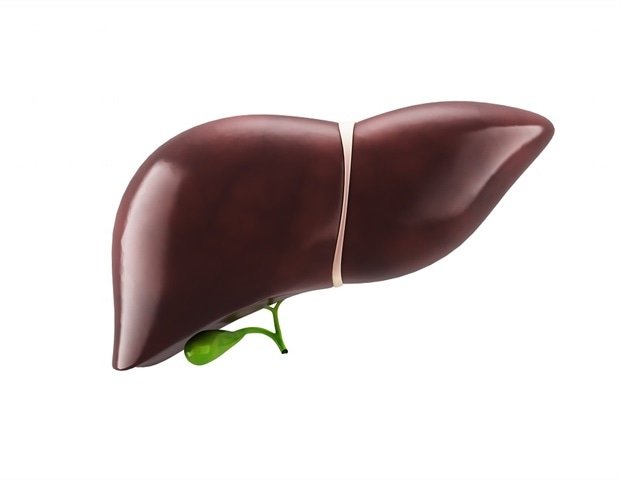
The classification of fatty liver disease (SLD) is undergoing a major conceptual transformation. In a recent article published in electronic gastroenterologyDr. Chen, Dr. Horn, and Professor Tacke from the Charité University of Berlin argue that metabolic dysfunction-associated fatty liver disease (MASLD), metabolic dysfunction and alcohol-related liver disease (MetALD), and alcohol-related liver disease (ALD) should not be seen as strict diagnostic categories, but rather as interrelated and evolving diseases. trajectory.
The current SLD framework was introduced to better reflect the biological overlap between metabolic dysfunction and alcohol exposure. However, the authors emphasize that existing classifications still rely heavily on ‘snapshot’ assessments of alcohol intake and metabolic status. In reality, the transition between MASLD, MetALD, and ALD is biologically plausible and clinically common, as both exposures vary significantly over time.
The key message of this article is that SLD needs to be understood as a dynamic continuum rather than a set of isolated diseases. In support of this notion, the authors discuss prospective cohort data demonstrating significant transitions across SLD subclasses within just 6 months. Approximately 36% of those initially classified as having MetALD transitioned to MASLD or ALD, while 32% of ALD patients transitioned to MetALD or MASLD. Even MASLD, considered the most stable subtype, showed reclassification in approximately 11% of cases.
This paper mechanistically highlights how alcohol exposure and metabolic dysfunction converge into common pathogenic pathways such as lipotoxicity, oxidative stress, inflammation, and fibrosis progression. Alcohol consumption can exacerbate obesity, hypertriglyceridemia, and hypertension, while metabolic dysfunction can increase susceptibility to alcohol-induced liver damage. These interactions provide a biological rationale for the particularly high-risk phenotype typified by MetALD.
Another major focus of this article is the challenge of accurately assessing alcohol consumption in clinical settings. The authors point out that self-reported alcohol intake can underestimate actual intake by up to 57.7%, leading to significant uncertainty in SLD subclassification and risk assessment.
To address this issue, this study focuses on the increasing role of objective alcohol biomarkers, specifically phosphatidylethanol (PEth). PEth is a blood-based biomarker that can reflect alcohol intake over the past 1-3 weeks and is less influenced by gender and BMI than traditional questionnaires. Current expert recommendations suggest that PEth levels below 20 ng/mL largely exclude clinically relevant alcohol consumption, and levels above 200 ng/mL indicate harmful drinking.
The authors suggest that future SLD management should incorporate longitudinal reassessment that integrates alcohol exposure, metabolic risk factors, fibrosis staging, and trajectory markers. Clinicians may need to continuously monitor disease progression over time, rather than simply assigning a static diagnostic label. This framework recognizes fibrosis as a key determinant of long-term outcomes and also prioritizes fibrosis risk stratification using noninvasive tests such as FIB-4 and vibration-controlled transient elastography (VCTE).
Importantly, this paper may also have implications for clinical trial design and treatment development. Because SLD subclasses may change dynamically over time, future trials may require repeated monitoring of alcohol exposure and metabolic status to ensure accurate stratification of patients and interpretation of treatment response. This may become increasingly important as new treatments such as GLP-1 receptor agonists and thyroid hormone receptor β agonists are introduced into the clinical setting for fatty liver disease.
Overall, this study reframes SLD as a dynamic and long-term disease process rather than a static diagnostic construct. The proposed framework may help advance precision medicine approaches for patients with fatty liver disease by integrating objective alcohol assessment and trajectory-based risk management.
sauce:
Jilin University First Hospital
Reference magazines:
Chen, L. Others. (2026). From static labels to dynamic trajectories: MASLD – MetALD – ALD as a dynamic continuum within the framework of fatty liver disease. electronic gastroenterology. DOI: 10.1136/egastro-2026-100430. https://egastroenterology.bmj.com/content/4/2/e100430
