


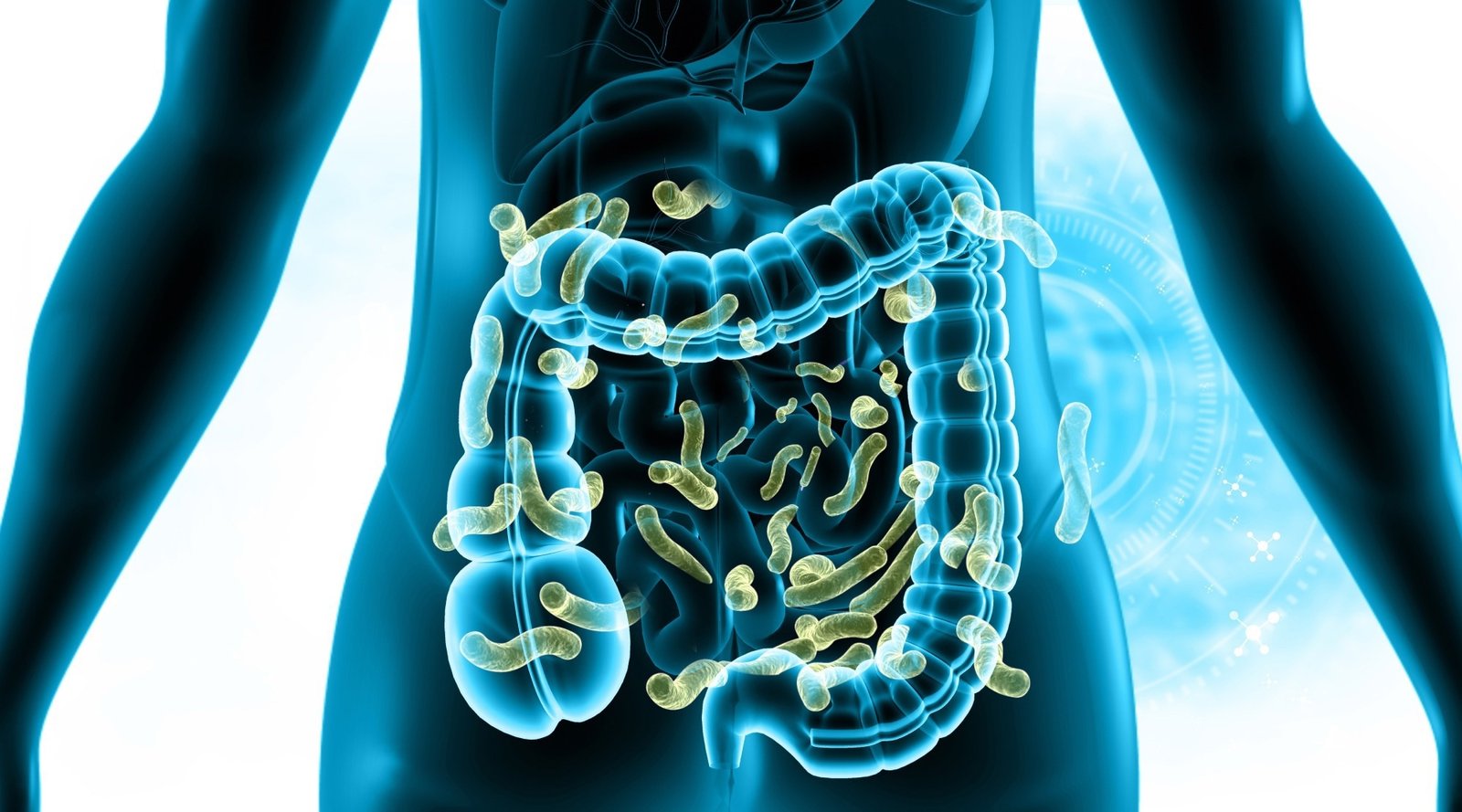
Scientists say that gut bacteria may do more than just recycle estrogen, but stronger causal links and clinical evidence will be needed to target the endocrine microbiome for cancer treatment.
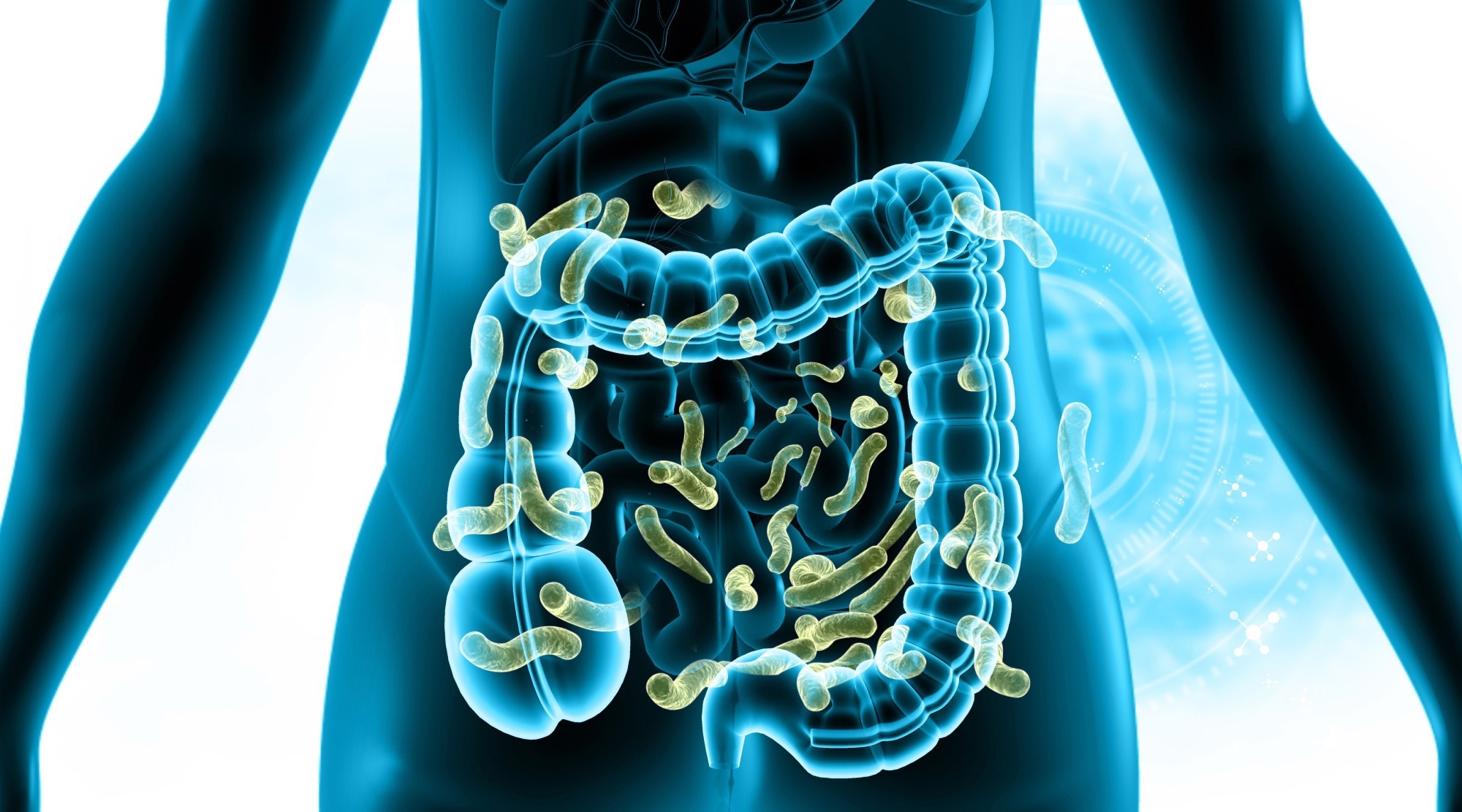
Review: Beyond the Estrobolome 1.0: Unraveling the endocrine-microbiome axis as a driver and therapeutic target for hormone-driven cancer. Image credit: Explode / Shutterstock
In a recent review published in a magazine npj biofilm and microbiomeresearchers reviewed current evidence on how interactions between the microbiome and endocrine system influence hormone-driven cancers and explored its potential as a future therapeutic target.
background
Estrogen receptor-positive breast cancer and many endometrial malignancies are the major hormonally driven cancers, and estrogen is recognized as a major driver of several cancers. The researchers also pointed out that the trillions of microorganisms that live in the human body can influence hormone metabolism. These microorganisms can alter hormone availability, produce hormone-like compounds, and modulate immune and inflammatory responses, which may contribute to cancer development. Understanding this relationship may improve future cancer prevention and treatment strategies. Further mechanistic and longitudinal studies are needed to understand how these interactions work at the biological level and to distinguish causal pathways and associations.
From the estrobolome to the broader endocrine microbiota network
The gut microbiota plays a broader role in hormone regulation than previously appreciated. Previous research has focused on the estrobolome, a group of gut bacteria that determines how estrogen is recycled through enzymes such as beta-glucuronidase and sulfatase. These enzymes reactivate the estrogen complex by removing certain chemical markers, thereby increasing the body’s exposure to active estrogen. This feature of the estrobolome may be relevant to hormone-dependent cancers such as estrogen receptor-positive breast and endometrial cancers.
Recent evidence suggests that the microbiome functions as an active endocrine partner rather than simply recycling hormones. The gut microbiota can respond to host signals, process dietary nutrients and produce biologically active molecules, and influence multiple endocrine, metabolic, and tissue-level pathways beyond the gut. Their metabolites also modulate inflammation, immunity, and metabolism, creating a bidirectional endocrine-microbiota axis where hormones shape microbial communities and microbes modify endocrine signaling.
How do gut bacteria change estrogen activity?
The microbiome regulates estrogen through multiple pathways. Besides β-glucuronidase, bacterial enzymes can also reactivate estrogen or convert it to a less active form. Therefore, the same microbial community can have increased or decreased exposure to estrogen depending on its composition, diet, drugs, and disease status.
Gut microbes can also convert some plant-derived compounds into hormone-like metabolites. One known example of this is S-equol, which is produced by the enzymatic conversion of soy isoflavones by certain intestinal microorganisms. Unlike estradiol, S-equol binds preferentially to estrogen receptor beta, suggesting that it may mimic or modulate estrogen signaling in a tissue-specific manner.
Other microbial metabolites, such as enterolignans, also influence estrogen signaling. Not everyone carries the bacteria necessary to produce these compounds, so microbial metabolites could ultimately help identify cancer risk and guide personalized endocrine therapy.
Hormonal effects on the microbiome
Hormones and the microbiome continuously influence each other. Gut microbes regulate hormone metabolism, and hormones shape microbial diversity and activity. Hormonal changes during puberty, pregnancy, menopause, or hormone therapy alter microbial metabolism, including bile acid, carbohydrate, and steroid pathways. These gut microbiota metabolites, in turn, can influence hormone availability and immune responses.
Research has also shown that bacteria can detect host-derived hormonal signals and adjust their growth and behavior accordingly. These findings suggest that life stages characterized by hormonal changes may represent critical periods during which the microbiome influences long-term hormone exposure and disease susceptibility.
Endocrine-microbiome axis in cancer development
Disruption of the endocrine-microbiome axis may promote cancer through several mechanisms. Microbial imbalance, or dysbiosis, is associated with chronic low-grade inflammation and may contribute to increased exposure to microbial molecules that activate inflammatory pathways. This inflammatory environment may also alter insulin and metabolic signaling, which in combination with estrogen may promote tumor progression.
Research suggests that breast, uterine, and endometrial tissues may harbor distinct microbial communities that can influence local estrogen metabolism, immune responses, and inflammation without altering circulating hormone levels. Some microbial products can damage deoxyribonucleic acid (DNA) or alter gene regulation through epigenetic mechanisms, while others produce short-chain fatty acids that affect chromatin structure and cell signaling. Together, these local and systemic effects may contribute to hormonal carcinogenesis, although evidence in humans remains largely observational.
Potential treatment opportunities
The microbiome may also influence response to endocrine therapy. Gut bacterial activity can influence endocrine drug metabolism, including tamoxifen metabolite levels and systemic exposure to its major active metabolite, endoxifen. Similarly, aromatase inhibitors can affect the composition of the gut microbiota. Although promising, stronger clinical evidence is needed before microbiome-based treatments become routine.
Researchers are investigating methods to target the microbiome, including probiotics, prebiotics, selective enzyme inhibitors, defined microbial consortia, live biotherapy products, and fecal microbiota transplantation (FMT).
Experimental studies suggest that these strategies can reduce enzyme activity of harmful microorganisms or increase beneficial hormone-like metabolites. However, most of this evidence is based on laboratory tests or biomarker studies rather than clinical trials examining cancer outcomes.
Additionally, there are ongoing challenges related to FMT safety, donor selection, and standardized procedures. The authors noted that defined consortia and live biotherapy may provide a safer and more controllable alternative to crude FMT, but these approaches also require clinical validation.
Challenges and future prospects
Despite rapid progress, significant challenges remain, as most human studies demonstrate associations rather than direct causation. Additionally, differences in diet, medications, menopausal status, geographic location, and testing techniques make it difficult to compare studies.
Identification of potentially beneficial microbial biomarkers and therapeutic targets for clinical use requires longitudinal studies with standardized methods for future studies using multi-omics approaches, multi-world profiling including virome and mycobiome, sex-stratified analysis, and carefully designed experimental models.
conclusion
This review concludes that the endocrine-microbiome axis represents an important but evolving framework for understanding hormone-driven cancers. Current evidence supports a role for gut microbes in regulating estrogen metabolism, inflammation, and the local tissue environment, but direct causal relationships in humans remain limited.
Emerging microbiome-based therapeutics such as probiotics, prebiotics, selective enzyme inhibition, defined consortia, live biotherapy, and FMT have shown promising preclinical and early translational results but require validation in clinical trials.
The authors emphasized that standardized research methods, longitudinal multi-omic studies, multi-world profiling, sex-stratified analyses, and mechanistic studies are essential to identify clinically actionable microbial targets and advance future therapeutic strategies. Until then, the endocrine-microbiome axis should be viewed as a high-priority translational hypothesis rather than a validated clinical goal.
Want to read it later? Click here to download a PDF copy.
Reference magazines:
- Mou, E., Guo, R., Yi, Y., Li, Y., Yao, Y., and Xu, J. (2026). Beyond Estrobolome 1.0: Unraveling the endocrine-microbiome axis as a driver of hormone-driven cancer and a therapeutic target. npj biofilm and microbiome. Press article. Doi: 10.1038/s41522-026-01074-9, https://www.nature.com/articles/s41522-026-01074-9
