


A new review maps how microbial signals from the gut disrupt appetite control, insulin sensitivity, inflammation and pancreatic function, suggesting a more targeted future in the treatment of metabolic diseases.
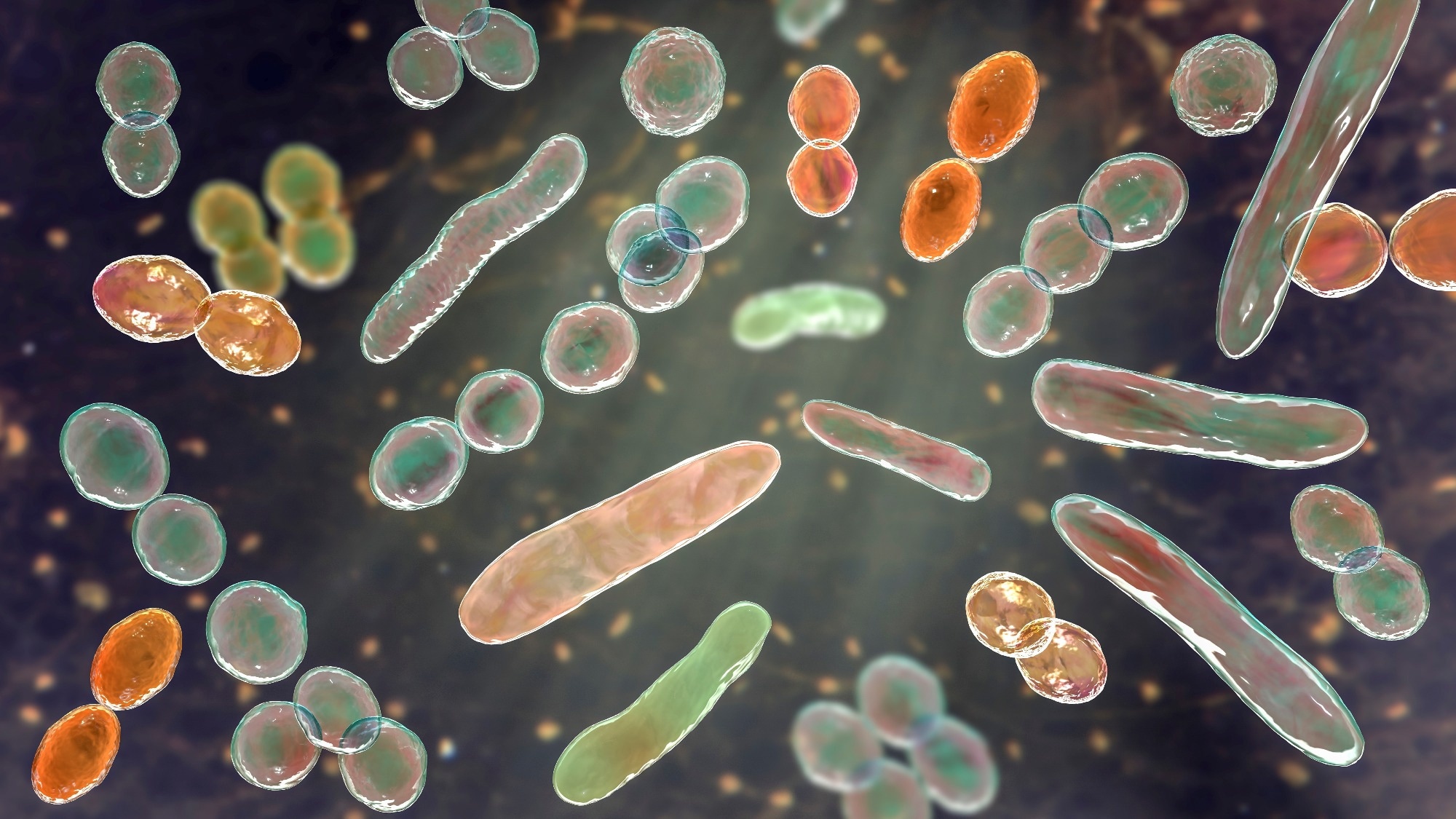
Article: The microbiota-gut-brain axis: new mechanisms and therapeutic frontiers in obesity and type 2 diabetes. Image credit: Kateryna Kon / Shutterstock
Review research paper. Available as a journal press article npj biofilm and microbiome, describe how gut microbial messengers contribute to the pathophysiology of obesity and type 2 diabetes via the microbiota-gut-brain axis.
background
The microbiota-gut-brain axis is a bidirectional communication network between the gut microbiota and the central nervous system. This axis facilitates gut-brain crosstalk through neurological, endocrine, immune, and metabolic pathways and plays a central role in health and disease.
Metabolites and microbial particles produced or modified by the gut microbiota, such as short-chain fatty acids (SCFAs), microbiota-modified bile acids, neuroactive substances, and extracellular vesicles, can directly or remotely modulate brain metabolic pathways to establish host metabolic homeostasis.
Recent evidence suggests that changes in the composition and diversity of the gut microbiota (dysbiosis) may precede and contribute to the development of metabolic diseases such as obesity and type 2 diabetes long before clinical diagnosis.
This review aimed to systematically summarize and synthesize the latest evidence to decipher how key microbial messengers contribute to the development and progression of obesity and type 2 diabetes through the microbiota-gut-brain axis.
hypothalamus
The hypothalamus plays a central role in maintaining the delicate balance between energy consumption and expenditure. Gut microbial metabolites, such as SCFAs, bile acids, and neuroactive metabolites, can influence the functional integrity of the hypothalamus.
In the intestine, SCFAs such as acetate produced by beneficial microbial populations support hypothalamic signaling pathways that promote satiety and increase energy expenditure. A significant reduction in this mechanism has been observed in obesity.
On the other hand, dysbiosis of the gut microbiota caused by a high-fat diet increases the translocation of gut-derived lipopolysaccharides, reduces circulating SCFAs, and causes neuroinflammation and impaired hypothalamic insulin sensitivity. These two important mechanisms are associated with obesity.
adipose tissue
Adipose tissue acts as an active signaling hub, secreting adipokines and cytokines while receiving signals from the gut microbiota. Translocation of intestinal-derived lipopolysaccharides can trigger a pro-inflammatory response in adipose tissue and cause local insulin resistance. This change is further facilitated by the systemic depletion of beneficial SCFAs and the resulting attenuation of the systemic anti-inflammatory response.
In this pro-inflammatory environment, adipose tissue continues to release large amounts of inflammatory cytokines and free fatty acids into the blood. These messengers then enter the brain by altering the permeability of the blood-brain barrier and disrupting the hypothalamic energy balance signaling network, collectively increasing the risk of developing obesity.
incretin axis
The synthesis and release of core intestinal hormones such as GLP-1 and PYY, which regulate satiety, insulin secretion, and energy homeostasis after food intake, are precisely regulated by the metabolites of gut microbes. In obesity, dysbiosis of the intestinal flora reduces the amount of beneficial SCFA-producing bacteria, thereby inhibiting the secretion of intestinal hormones from intestinal cells.
Additionally, the circulating lipotoxic environment caused by microbial dysbiosis increases free fatty acid levels, which in turn induces endoplasmic reticulum stress in intestinal hormone-producing cells and impairs GLP-1 production.
Such disruption of gut hormone signaling by microbial dysbiosis impairs both neurotransmission and humoral communication pathways of the microbiota-gut-brain axis and weakens gut-brain satiety signals. A breakdown in this communication, together with adipose tissue-mediated inflammatory responses and local insulin resistance, can lead to the development and progression of obesity.
Microbial messengers and type 2 diabetes
The pathogenesis of type 2 diabetes is strongly linked to impaired insulin signaling, and dysregulated microbial metabolites contribute significantly to this disorder by causing hypothalamic inflammation.
Disruption of the intestinal barrier integrity through dysbiosis of the microbial gut flora leads to the release and translocation of bacterial lipopolysaccharides to the liver via the portal circulation. These lipopolysaccharides activate resident liver macrophages, triggering the release of inflammatory cytokines, and subsequently block insulin signaling in hepatocytes by activating a series of signaling cascades.
In skeletal muscle, systemic low-grade inflammation caused by leaky gut and adipose tissue inflammation further disrupts insulin signaling. Ultimately, impaired central and peripheral insulin signaling reinforce each other through a positive feedback loop initiated by dysregulation of microbial metabolites.
secretory dysfunction
Disrupted microbial metabolites damage the neuroendocrine regulatory network of the gut-brain-pancreas axis. Increased acetate production due to high-fat diet consumption leads to activation of the parasympathetic nervous system, leading to increased secretion of the intestinal hormone ghrelin (hunger hormone) and the glucose-stimulating hormone insulin. This premature and excessive secretory demand exhausts the beta cells of the pancreas, leading to impaired insulin secretion and reduced insulin sensitivity, two key features of type 2 diabetes.
On the other hand, persistently high blood glucose levels downregulate the expression of GLP-1 receptors on pancreatic beta cells and hypothalamic neurons, weakening the insulin secretory pathway from the gut to the brain.
immune dysregulation
Dysbalance of the gut microbiota and associated disruption of microbial metabolites disrupt the integrity of the intestinal barrier, impair immune defense lines, and induce systemic inflammation, resulting in peripheral insulin resistance and pancreatic beta cell damage, as well as neuroinflammation in the hypothalamus. This closed-loop cycle further impairs hypothalamic insulin signaling, leading to central insulin resistance, altering autonomic output, and worsening the regulation of peripheral glucose metabolism.
frontiers of treatment
This review also highlights emerging strategies targeting the microbiota-gut-brain axis. These include ecosystem remodeling with prebiotics and probiotics to increase beneficial microbial messengers, receptor-targeted approaches that mimic protective metabolites or block harmful inflammatory signals, and neuromodulatory strategies aimed at restoring gut-brain communication.
However, the authors emphasize that clinical translation remains challenging. Responses to interventions targeting the microbiota-gut-brain axis are likely dependent on host genetics, diet, baseline microbiome composition, metabolic status, and disease stage, highlighting the importance of patient stratification and individualized approaches in future studies.
Overall, this review supports the microbiota-gut-brain axis theory as a new perspective for understanding complex metabolic diseases such as obesity and type 2 diabetes. Targeting this axis with new interventions may represent a promising but still developing strategy to address the global public health challenges associated with these diseases.
Click here to download your PDF copy.
