


The Urgent Challenge: Rising Disease Outbreaks and Population Health Gaps
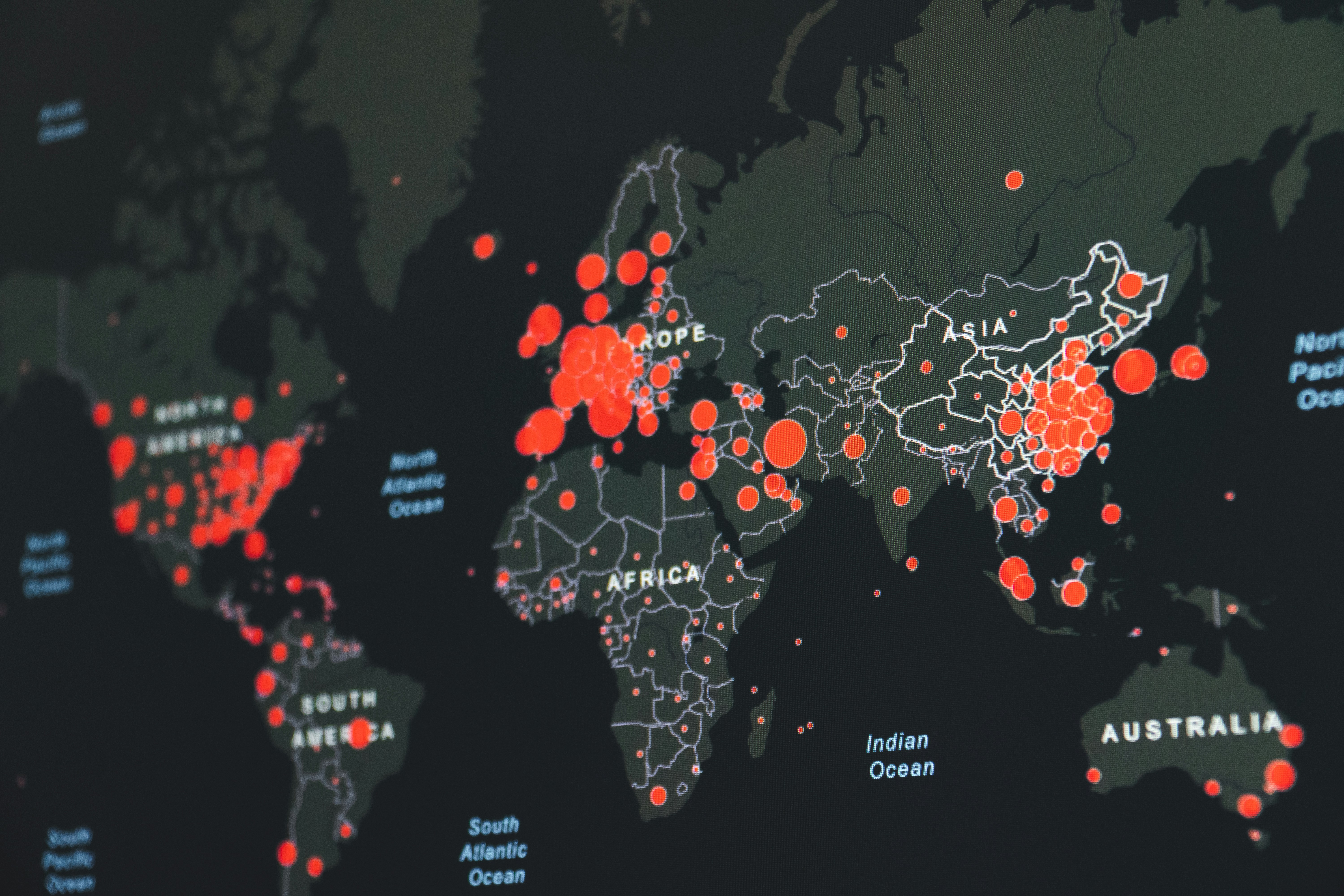
Unpredictable outbreaks of infectious diseases pose escalating threats to global stability. Health officials grapple with fragmented surveillance systems that fail to detect threats early enough. Inequities in healthcare access exacerbate these issues, leaving many populations exposed to higher risks of severe outcomes. Climate change and urbanization further accelerate transmission patterns across borders.
The landscape of public health trends 2026 demands urgent policy shifts. Experts warn that without coordinated action, the next pandemic could overwhelm existing capacities. Data from leading organizations show gaps in vaccine distribution and diagnostic capabilities remain pronounced in low-resource settings.
Pandemic preparedness efforts must prioritize inclusive strategies. The Global Preparedness Monitoring Board report stresses the precarious state of global health security amid uncertainty. WHO initiatives aim to bridge the global health security interface through better coordination mechanisms.
Six major threats identified for 2026 include antimicrobial resistance, zoonotic diseases, and vector-borne illnesses requiring targeted responses from GAVI experts. CDC guidelines emphasize robust surveillance networks to counter these evolving dangers.
Adopting comprehensive policies delivers measurable improvements in community health outcomes. Aligning interventions with public health trends 2026 facilitates adoption of AI-driven analytics and digital infrastructure. This integration enhances early warning systems and promotes health equity across regions.
2026 Population Health Trends: AI Integration, Digital Tools, and Health Equity
Advancements in public health trends 2026 showcase the integration of AI technologies into routine operations for health agencies. AI in public health enables rapid processing of epidemiological data, leading to enhanced disease outbreak preparedness. Examples from recent implementations reveal how algorithms predict disease spread based on environmental and mobility factors, allowing proactive measures by government officials.
Digital tools such as cloud-based platforms and wearable sensors facilitate seamless information sharing among stakeholders. These systems promote health equity by ensuring that remote and marginalized groups receive equal attention in monitoring programs. Population health trends indicate a shift toward data-driven strategies that prioritize prevention over reaction.
By aligning with public health trends 2026, leaders can build resilient systems that adapt to emerging challenges.
Sources
- https://patagoniahealth.com/blog/top-public-health-trends
- https://gpmb.org/news/news/item/13-10-2025-global-health-security-hangs-in-the-balance-in-a-volatile-and-uncertain-world-report-emphasizes
- https://www.who.int/activities/preparing-and-preventing-epidemics-and-pandemics/strengthening-the-global-health-security-interface
- https://www.gavi.org/vaccineswork/six-major-health-threats-could-shape-2026-heres-what-experts-are-watching
- https://www.cdc.gov/ncezid/media/pdfs/2025/NCEZIDGlobalHealthStrategy508.pdf
