

Close Menu

    Subscribe to Updates

    Get the latest creative news from FooBar about art, design and business.

    What's Hot

    This popular brain supplement was linked to shorter lifespans in men

    June 15, 2026

    Large-scale study finds that COVID-19 vaccination reduces risk of adverse cardiac events

    June 15, 2026

    NASA discovers huge ocean swell that could signal the return of El Nino

    June 15, 2026
    Facebook X (Twitter) Instagram
    Facebook X (Twitter) Instagram
    Health Magazine
    • Home
    • Environmental Health
    • Health Technology
    • Medical Research
    • Mental Health
    • Nutrition Science
    • Pharma
    • Public Health
    • Discover
      • Daily Health Tips
      • Financial Health & Stability
      • Holistic Health & Wellness
      • Mental Health
      • Nutrition & Dietary Trends
      • Professional & Personal Growth
    • Our Mission
    Health Magazine
    Home » News » Deep brain stimulation using AI improves walking in Parkinson’s disease patients
    Discover

    Deep brain stimulation using AI improves walking in Parkinson’s disease patients

    healthadminBy healthadminJune 15, 2026No Comments3 Mins Read
    Deep brain stimulation using AI improves walking in Parkinson’s disease patients
    Share
    Facebook Twitter Reddit Telegram Pinterest Email


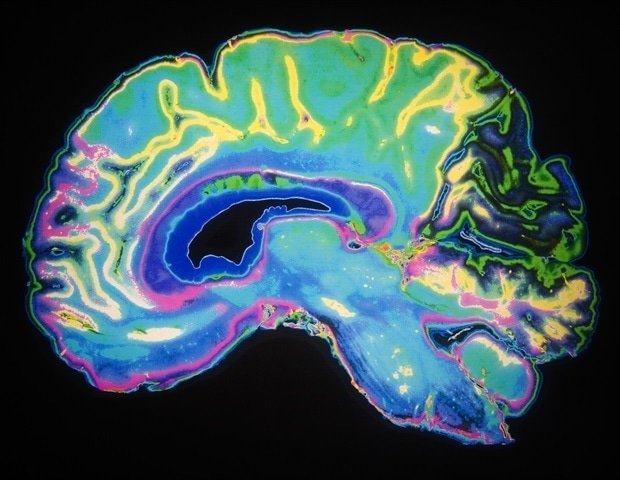
    Deep brain stimulation (DBS) has been used for more than 30 years to treat the motor symptoms of Parkinson’s disease. More than 200,000 patients worldwide have now been implanted with these systems, which deliver continuous electrical stimulation to specific deep areas of the brain to reduce stiffness and tremors. However, despite clinical success, traditional deep brain stimulation (DBS) remains limited in its ability to address one of the disease’s most disabling symptoms: gait disturbance.

    Researchers in Lausanne develop a new approach, natural medicineadapting DBS in real time to patient movements in everyday situations. Thanks to artificial intelligence, the system continuously interprets the patient’s activity and adjusts stimulation in real time to improve simple movements such as walking, climbing stairs, and even standing up.

    Adapt stimuli to real-life situations

    “Before, I could barely walk because my legs felt heavy and sometimes moved uncontrollably. Now, I can walk better and for longer stretches because the stimulation adapts to my actions,” says Mr. F., one of the study participants. Unlike traditional DBS, which delivers stimulation continuously with fixed parameters, the new treatment dynamically adjusts stimulation based on the patient’s ongoing motor activity.

    Daily motor activities include a variety of activities, such as standing, walking, running, turning, and overcoming obstacles, each of which imposes different motor requirements. This study shows that we can decipher many of these activities from neural biomarkers and adapt stimulation to suit physiological demands, helping patients move more naturally. ”


    Eduardo Moraud, EPFL Professor of Neuromodulation and New Medtronic Professor

    Using artificial intelligence on data from 40 patients, researchers developed a neural decoder that detects various motor states directly from brain activity in real time. These signals are used to adjust the stimulation within seconds, allowing the treatment to be tailored as the movement unfolds.

    This approach is based on clinically established DBS systems. Through collaboration with industry partner Medtronic, researchers were able to access and refine key aspects of the technology to target gait problems, enabling the development of adaptive real-time stimulation strategies.

    From clinic to everyday use

    “Gait problems often respond differently to DBS than tremor or rigidity, something clinicians have known for years. Our study shows that stimulation settings can be automatically adjusted to match a person’s movements,” said Jocelyn Block, director of neurosurgery at CHUV and senior co-author of the study.

    The study, co-directed by Bloch and conducted within the NeuroRestore Interdisciplinary Center, brings together CHUV’s clinical expertise and EPFL’s leadership in neurotechnology to accelerate the translation of next-generation therapies. “Turning deep brain stimulation into an intelligent treatment opens up entirely new possibilities for patients, especially those with severe walking disabilities,” Professor Block explains.

    The research team is considering conducting follow-up studies to evaluate the long-term results of this treatment and expand the approach to a larger patient population.

    sauce:

    Federal Institute of Technology Lausanne (EPFL)

    Reference magazines:

    Scafa, S. Others. (2026). Activity-dependent adaptive deep brain stimulation improves gait in Parkinson’s disease. natural medicine. DOI: 10.1038/s41591-026-04432-4. https://www.nature.com/articles/s41591-026-04432-4


    Source link

    Visited 2 times, 2 visit(s) today
    Share. Facebook Twitter Pinterest LinkedIn Telegram Reddit Email
    Previous ArticleThe Growing Health Crisis from Climate Change and Pollution
    Next Article Echo Health Ventures, FMZ back InStride Health’s $30 million Series C
    healthadmin

    Related Posts

    Single-dose gene therapy extends healthy lifespan in elderly mice

    June 15, 2026

    Light-controlled molecular switch awakens lung cancer cells for treatment

    June 15, 2026

    Sex-dependent depressive symptoms shorten healthy life expectancy in older people

    June 15, 2026

    The brain may sense taste through the ears, new research suggests

    June 15, 2026

    Novel analysis identifies unique proliferative genetic alterations in diverse cancer patients

    June 15, 2026

    Global analysis reveals large regional disparities in net performance of pesticide treatments

    June 15, 2026
    Add A Comment
    Leave A Reply Cancel Reply

    Categories

    • Daily Health Tips
    • Discover
    • Environmental Health
    • Exercise & Fitness
    • Featured
    • Featured Videos
    • Financial Health & Stability
    • Fitness
    • Fitness Updates
    • Health
    • Health Technology
    • Healthy Aging
    • Healthy Living
    • Holistic Healing
    • Holistic Health & Wellness
    • Medical Research
    • Medical Research & Insights
    • Mental Health
    • Mental Wellness
    • Natural Remedies
    • New Workouts
    • Nutrition
    • Nutrition & Dietary Trends
    • Nutrition & Superfoods
    • Nutrition Science
    • Pharma
    • Preventive Healthcare
    • Professional & Personal Growth
    • Public Health
    • Public Health & Awareness
    • Selected
    • Sleep & Recovery
    • Top Programs
    • Weight Management
    • Workouts
    Popular Posts
    • 1773313737_bacteria_-_Sebastian_Kaulitzki_46826fb7971649bfaca04a9b4cef3309-620x480.jpgHow Sino Biological ProPure™ redefines ultra-low… March 12, 2026
    • pexels-david-bartus-442116The food industry needs to act now to cut greenhouse… January 2, 2022
    • 1773729862_TagImage-3347-458389964760995353448-620x480.jpgDespite safety concerns, parents underestimate the… March 17, 2026
    • 1774403998_image_28620e4b6b0047f7ab9154b41d739db1-620x480.jpgGait pattern helps distinguish between Lewy body… March 24, 2026
    • 1773209206_futuristic_techno_design_on_background_of_supercomputer_data_center_-_Image_-_Timofeev_Vladimir_M1_4.jpegMulti-agent AI systems outperform single models… March 11, 2026
    • the-pros-and-cons-of-paleo-dietsThe Pros and Cons of Paleo Diets: What Science Really Says April 16, 2025

    Demo
    Stay In Touch
    • Facebook
    • Twitter
    • Pinterest
    • Instagram
    • YouTube
    • Vimeo
    Don't Miss

    This popular brain supplement was linked to shorter lifespans in men

    By healthadminJune 15, 2026

    A common amino acid found in protein-rich foods and many brain health supplements may have…

    Large-scale study finds that COVID-19 vaccination reduces risk of adverse cardiac events

    June 15, 2026

    NASA discovers huge ocean swell that could signal the return of El Nino

    June 15, 2026

    YNHHS uses Rad AI to modernize radiology infrastructure

    June 15, 2026

    Subscribe to Updates

    Get the latest creative news from SmartMag about art & design.

    HealthxMagazine
    HealthxMagazine

    At HealthX Magazine, we are dedicated to empowering entrepreneurs, doctors, chiropractors, healthcare professionals, personal trainers, executives, thought leaders, and anyone striving for optimal health.

    Our Picks

    YNHHS uses Rad AI to modernize radiology infrastructure

    June 15, 2026

    Scientists discover how the muscles you exercise communicate with your brain to fight depression

    June 15, 2026

    Millions of people take calcium and vitamin D to strengthen their bones. Extensive reviews bring little benefit

    June 15, 2026
    New Comments
      Facebook X (Twitter) Instagram Pinterest
      • Home
      • Privacy Policy
      • Our Mission
      © 2026 ThemeSphere. Designed by ThemeSphere.

      Type above and press Enter to search. Press Esc to cancel.