

Close Menu

    Subscribe to Updates

    Get the latest creative news from FooBar about art, design and business.

    What's Hot

    The Challenge of Fragmented Mental Health Systems: What Evidence Shows

    August 1, 2026

    Key 2026 Clinical Trials Revolutionizing Cancer and Cardiovascular Care

    July 31, 2026

    Texas A&M researchers build AI tool for tuberculosis drug discovery

    July 30, 2026
    Facebook X (Twitter) Instagram
    Facebook X (Twitter) Instagram
    Health Magazine
    • Home
    • Environmental Health
    • Health Technology
    • Medical Research
    • Mental Health
    • Nutrition Science
    • Pharma
    • Public Health
    • Discover
      • Daily Health Tips
      • Financial Health & Stability
      • Holistic Health & Wellness
      • Mental Health
      • Nutrition & Dietary Trends
      • Professional & Personal Growth
    • Our Mission
    Health Magazine
    Home » News » Hormone-disrupting chemicals found in breast milk and infant urine
    Discover

    Hormone-disrupting chemicals found in breast milk and infant urine

    healthadminBy healthadminJune 14, 2026No Comments3 Mins Read
    Hormone-disrupting chemicals found in breast milk and infant urine
    Share
    Facebook Twitter Reddit Telegram Pinterest Email


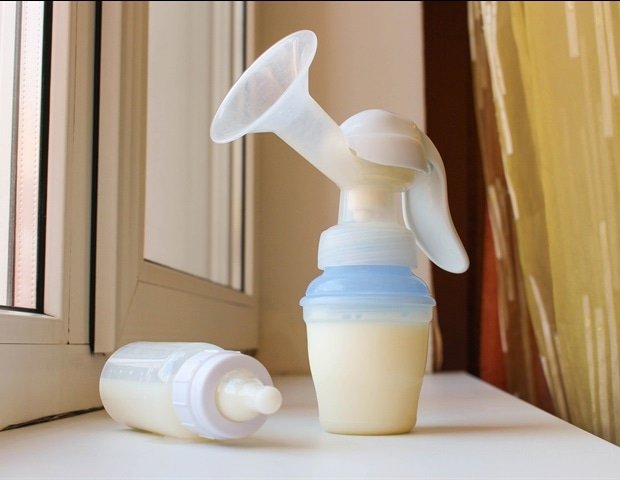
    Endocrine-disrupting chemicals (EDCs), which interfere with hormones, have been detected in the breast milk and urine of children up to six months old, according to research presented Saturday at the Endocrine Society’s annual meeting ENDO 2026 in Chicago, Illinois.

    Breast milk is the optimal source of nutrition for every child and must be protected as it is a vehicle for environmental pollutants. Infancy represents a critical period of exposure as the effects are magnified and damage becomes apparent over many years. ”


    Maria Elizabeth Street, MD, Associate Professor and Head of Pediatric Endocrinology, University of Parma and Parma University Hospital, Parma, Italy

    Street and colleagues used data from 336 mother-infant pairs enrolled in the LIFE-MILCH project. Samples were collected at 1, 3, and 6 months of age.

    Researchers measured exposure to more than 50 chemicals, including bisphenol (BPA), polycyclic aromatic hydrocarbons, phthalates and metabolites, parabens, polar pesticides, and pyrethroids.

    BPA was commonly detected in breast milk at 1 month (51.2%) and 6 months (49.8%). Almost one-third of newborns had BPA in their postnatal urine samples. This increased to 67.6% at 6 months of age.

    Bisphenol S (BPS) was detected in breast milk at 1 month (10.7%) and 6 months (18.3%) and in urine samples of infants at birth (22.4%) and 6 months (41.2%).

    Most polycyclic aromatic hydrocarbons were rarely detected in breast milk, but some substances were consistently detected in urine (up to 27.7%).

    Methylparaben (MePB) and ethylparaben (EtPB) were most commonly detected in breast milk at 1 month (51.2%, 42.3%) and 6 months (56.2%, 52.6%) postpartum and increased in urine samples over time.

    Glufosinate was detected in breast milk at 1 month (27.4%) and 3 months (31.9%) and in urine samples at birth (44.7%) and 6 months (38.2%).

    Phthalates, including dibutyl phthalate (DBP), were detected in 90.2% of breast milk samples at 1 month postpartum and 86.5% of breast milk samples at 6 months postpartum. Levels in urine samples increased from 30.3% at birth to 79.4% at 6 months of age.

    Most of the EDCs found in breast milk and urine samples are related to nutritional habits and products used for personal and home care, Street said.

    Studies have linked exposure to these chemicals to neurodevelopmental problems, hormonal activation at birth, androgenization, or the development of male reproductive characteristics. Exposure to EDCs can also affect growth, weight and obesity, Street said.

    The findings have led to a prevention campaign, the results of which are currently being evaluated, and several stakeholders have signed an agreement in Italy to monitor and reduce the presence of these chemicals in their products, Street said. Researchers are calling on public health officials to develop prevention strategies to reduce exposure to EDCs and protect breast milk in a changing world.


    Source link

    Visited 10 times, 1 visit(s) today
    Share. Facebook Twitter Pinterest LinkedIn Telegram Reddit Email
    Previous ArticleLong-term hormone exposure may increase thyroid cancer risk in women
    Next Article Common plasticizers may cause lifelong anxiety-related behavioral changes
    healthadmin

    Related Posts

    Texas A&M researchers build AI tool for tuberculosis drug discovery

    July 30, 2026

    New ultrasound technology breaks blood-brain barrier to treat gliomas

    July 30, 2026

    Omalizumab wins multi-allergen oral immunotherapy in multi-food allergy trial

    July 30, 2026

    MAGFLO™ NGS beads: cost-effective nucleic acid purification

    July 30, 2026

    Qureight completes $20 million Series B funding

    July 30, 2026

    Cigarette smoke extract stimulates airway cells and increases nanoplastic damage

    July 30, 2026
    Add A Comment

    Comments are closed.

    Categories

    • Daily Health Tips
    • Discover
    • Environmental Health
    • Exercise & Fitness
    • Featured
    • Featured Videos
    • Financial Health & Stability
    • Fitness
    • Fitness Updates
    • Health
    • Health Technology
    • Healthy Aging
    • Healthy Living
    • Holistic Healing
    • Holistic Health & Wellness
    • Medical Research
    • Medical Research & Insights
    • Mental Health
    • Mental Wellness
    • Natural Remedies
    • New Workouts
    • Nutrition
    • Nutrition & Dietary Trends
    • Nutrition & Superfoods
    • Nutrition Science
    • Pharma
    • Preventive Healthcare
    • Professional & Personal Growth
    • Public Health
    • Public Health & Awareness
    • Selected
    • Sleep & Recovery
    • Top Programs
    • Weight Management
    • Workouts
    Popular Posts
    • 1773313737_bacteria_-_Sebastian_Kaulitzki_46826fb7971649bfaca04a9b4cef3309-620x480.jpgHow Sino Biological ProPure™ redefines ultra-low… March 12, 2026
    • pexels-david-bartus-442116The food industry needs to act now to cut greenhouse… January 2, 2022
    • 1773729862_TagImage-3347-458389964760995353448-620x480.jpgDespite safety concerns, parents underestimate the… March 17, 2026
    • 1774403998_image_28620e4b6b0047f7ab9154b41d739db1-620x480.jpgGait pattern helps distinguish between Lewy body… March 24, 2026
    • 1773209206_futuristic_techno_design_on_background_of_supercomputer_data_center_-_Image_-_Timofeev_Vladimir_M1_4.jpegMulti-agent AI systems outperform single models… March 11, 2026
    • Leukemia-620x480.jpgBiomimetic platform powers CAR T therapy for… March 9, 2026

    Demo
    Stay In Touch
    • Facebook
    • Twitter
    • Pinterest
    • Instagram
    • YouTube
    • Vimeo
    Don't Miss

    The Challenge of Fragmented Mental Health Systems: What Evidence Shows

    By healthadminAugust 1, 2026

    Evidence-based insights on overcoming fragmented mental health systems for treatment-resistant depression, integrated care models, and policy recommendations for psychiatrists and policymakers.

    Key 2026 Clinical Trials Revolutionizing Cancer and Cardiovascular Care

    July 31, 2026

    Texas A&M researchers build AI tool for tuberculosis drug discovery

    July 30, 2026

    New ultrasound technology breaks blood-brain barrier to treat gliomas

    July 30, 2026

    Subscribe to Updates

    Get the latest creative news from SmartMag about art & design.

    HealthxMagazine
    HealthxMagazine

    At HealthX Magazine, we are dedicated to empowering entrepreneurs, doctors, chiropractors, healthcare professionals, personal trainers, executives, thought leaders, and anyone striving for optimal health.

    Our Picks

    New ultrasound technology breaks blood-brain barrier to treat gliomas

    July 30, 2026

    This 4,000-year-old city defied the rules of history

    July 30, 2026

    Scientists are using biological markers to take the guesswork out of depression treatment

    July 30, 2026
    New Comments
      Facebook X (Twitter) Instagram Pinterest
      • Home
      • Privacy Policy
      • Our Mission
      © 2026 ThemeSphere. Designed by ThemeSphere.

      Type above and press Enter to search. Press Esc to cancel.