


Eliminating sugar from the diet may be more harmful than previously thought, according to animal research to be presented Saturday at ENDO 2026, the Endocrine Society’s annual meeting in Chicago, Illinois.
Completely removing sucrose from a low-fat diet can unexpectedly disrupt gut health and promote inflammation and metabolic dysfunction, highlighting the importance of balanced nutrition rather than simply eliminating sugar. ”
Dr. Rashid Ahmad, Principal Scientist and Head of Department of Immunology and Microbiology, Dasman Diabetes Research Institute, Kuwait City, Kuwait
The institute was established by the Kuwait Science Promotion Foundation. Researchers investigated the effects of a low-fat diet without sucrose compared to a low-fat control diet containing sucrose in two groups of mice for 16 weeks.
They assessed glucose tolerance, insulin sensitivity, circulating metabolic hormones, gut microbiota, and colon and liver inflammation.
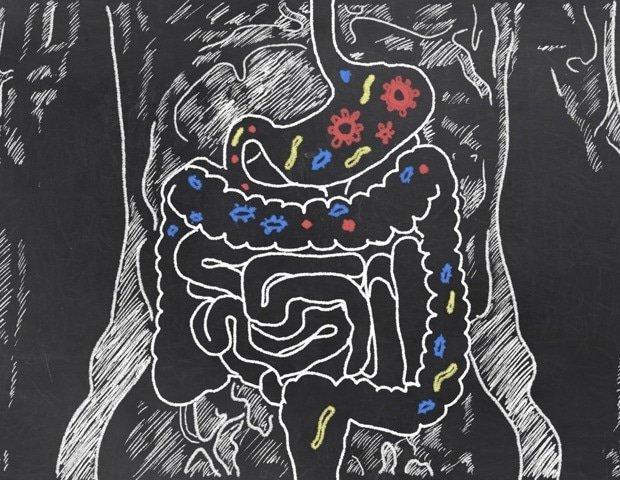
Mice fed a sucrose-free diet developed impaired glycemic control, insulin resistance, gut microbial imbalance, intestinal inflammation and fatty liver changes, even though there was no significant difference in body weight compared to control mice.
“Our findings suggest that completely removing sucrose from low-fat diets may have negative effects on gut microbiota and metabolic health,” said Ahmad. “This study highlights the importance of maintaining balanced dietary carbohydrates to support intestinal and immune homeostasis.”
Until now, the effects of restrictive diets that exclude sugar from low-fat diets were unclear.
“This study may influence future dietary recommendations by highlighting the importance of maintaining a healthy gut microbiome, rather than focusing solely on carbohydrate restriction,” said Ahmad. “In the long term, these findings may help improve prevention and management strategies for metabolic disorders, fatty liver disease, and chronic inflammatory conditions.”
“Studies like this reflect our institute’s commitment to advancing evidence-based scientific discoveries that improve public health outcomes and deepen our understanding of metabolic diseases,” said Faisal Hamed Al Rifaei, MD, acting director of the Dasman Diabetes Institute.
