


The comprehensive review, led by associate researcher Linnan Zhu and scholar Zemin Zhang from the Biomedical Pioneering Innovation Center (BIOPIC) at Peking University and Chongqing Medical University in China, was published in volume 2, article number 27 of the journal. immunity and inflammation This paper systematically synthesizes recent advances in single-cell and spatial transcriptomics of the TME, summarizes tumor-enriched cell subtypes and their interaction networks, and prospectively introduces the concept of “virtual tumors.” This review provides an integrated roadmap from basic TME biology to next-generation immunotherapies and AI-powered precision immunotherapies.
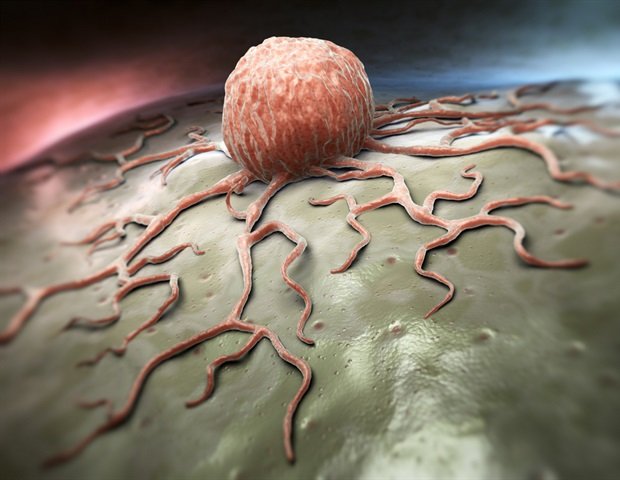
The TME is a complex multicellular ecosystem consisting of tumor cells, immune cells, stromal cells, blood vessels, and neurons. These components coevolve with malignant cells and collectively influence tumor initiation, progression, immune evasion, and therapeutic response. Recent rapid advances in single-cell sequencing and spatial omics have opened an era of “high-dimensional panoramic understanding” of cancer, leading to the identification of numerous tumor-enriched cell subsets that are closely related to prognosis and treatment response.
Among lymphocytes, CD8+ cytotoxic T lymphocytes (CTLs) are central effectors of antitumor immunity, recognizing tumor antigens through MHC-I and killing tumor cells through perforin and granzymes. However, the TME often leaves us in a dysfunctional and exhausted state. CXCL13+ T cells represent an important population for both prognosis and therapy. CXCL13+ pre-depleted CD8+ T cells are enriched in multiple tumor types and correlate with favorable responses to immune checkpoint blockade (ICB). CXCL13+ Th1-like cells exhibit a unique “exhausted yet activated” state that recruits B cells and promotes the formation of tertiary lymphoid structures. In contrast, TNFRSF9+ regulatory T cells have more potent immunosuppressive activity and form a major barrier. In addition to T cells, B cells and NK cells also play an important role. Tumor-associated B cells (FCRL4+) highly express MHC-II and costimulatory molecules, which correlate with improved prognosis and ICB response. Tumor-associated NK cells (DNAJB1+) exhibit a dysfunctional state with reduced killing capacity and are associated with poor prognosis and PD-1 therapy resistance.
In the bone marrow compartment, SPP1+ tumor-associated macrophages are pro-tumorigenic, promoting angiogenesis, hypoxic response, and extracellular matrix remodeling, and are strongly associated with poor prognosis. Mutually exclusive CXCL9-SPP1 expression defines an important macrophage polarity axis with better clinical predictive value than traditional M1/M2 classification. LAMP3+ dendritic cells (DCs) are mature migratory DCs. A cDC1-derived subset expresses CXCL9 and IL-15 and is positively associated with CD8+ T cell infiltration and ICB responses. HLA-DR+ antigen-presenting neutrophils can induce antigen-specific T cell responses, and antigen-presenting mast cells in triple-negative breast cancer promote anti-PD-1 responses, demonstrating the diversity of bone marrow functions.
Among stromal and neuronal cells, LRRC15+ cancer-associated fibroblasts represent a terminally differentiated fibroblast lineage that is dependent on TGF-β signaling and associated with immune-excluded tumors. CXCR4+ endothelial tip cells promote angiogenesis and poor prognosis, while tumor-associated high endothelial venules and ACKR1+ endothelial cells promote immune cell infiltration. Of note, recent discoveries in cancer neuroscience have shown that TGFBI+ Schwann cells induced by TGF-β promote tumor cell migration and correlate with poor prognosis, adding a new dimension to the understanding of neuro-immune-tumor interactions.
”These cell subsets do not function in isolation but form complex multicellular networks through spatial organization and functional cooperation.Concepts such as “cellular modules” and “immune hubs” have shifted the focus from individual cell types to spatially organized, functionally coordinated, and dynamically coevolving multicellular units. Tumor progression involves the progressive dissolution of healthy multicellular networks and the acquisition of aberrantly conserved tumor-associated modules. This insight provides a conceptual basis for understanding TME remodeling trajectories that are shared across cancers and for broad-spectrum development. Treatments targeting the TME.
In this review, we prospectively introduce the “AI virtual tumor” model based on the concept of AI virtual cells. It integrates cell composition, spatial organization, cell-cell communication, and perturbation response rules to extend single cell behavior modeling to tumor-scale ecosystem dynamics. ”This could provide a new computational framework for patient stratification, drug combination design, and efficacy prediction.‘, the authors emphasized.
Regarding immunotherapy, this review summarizes three areas: First, in ICB, CXCL13+ T cells predict a good response, whereas CCR8+ Tregs, SPP1+ TAMs, and LRRC15+ CAFs are associated with resistance. Dual blockade of LAG-3/PD-1 (leratorimab and nivolumab) is promising. Second, in adoptive cell therapy, CAR-T cells have been successful in hematological malignancies, while CAR-M cells have shown promise in solid tumors due to their infiltration advantage and are entering phase I trials. Third, regarding personalized cancer vaccines, cDC1-targeted vaccines have the potential to overcome ICB resistance in pancreatic cancer, and mRNA neoantigen vaccines have shown safety and immunogenicity in high-risk renal cell carcinoma. These advances outline new avenues for advancing mechanism-based precision oncology by integrating TME insights, next-generation immunotherapies, and AI-driven strategies.
sauce:
Reference magazines:
Zhu, L. others. (2026). Cellular actors in the tumor microenvironment: A single-cell atlas perspective on specialized subtypes, coordinated networks, and immunotherapy. Immunity and inflammation. DOI: 10.1007/s44466-026-00043-3. https://link.springer.com/article/10.1007/s44466-026-00043-3
