


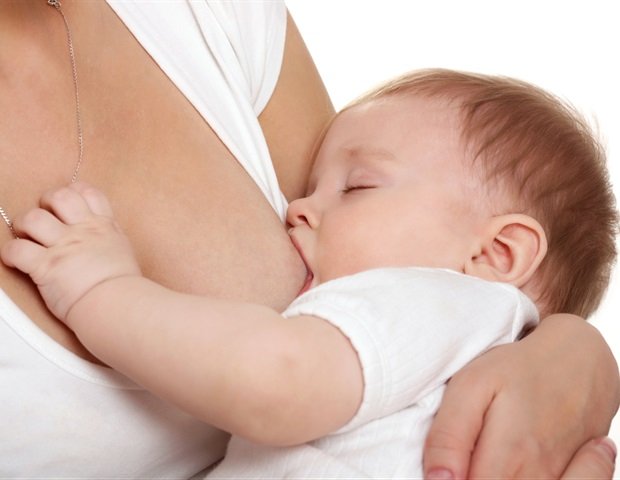
A joint study by the University of Oulu and Oulu University Hospital suggests that the upper labial frenulum in newborns is unlikely to be the main cause of breastfeeding difficulties.
The study, published in JAMA Network Open, followed 264 mother-infant pairs at Oulu University Hospital from 2023 to 2024. Researchers evaluated the anatomy and mobility of the upper labial frenulum in healthy full-term infants and compared the results to mothers’ reported breastfeeding experiences.
Overall, 86% of mothers reported experiencing breastfeeding difficulties during the first few days of breastfeeding. However, based on data collected in a six-month follow-up questionnaire, researchers found no association between anatomical features of the upper labial frenulum and breastfeeding problems. The thickness of the frenulum, its attachment site, or other structural characteristics did not increase the risk of breastfeeding difficulties.
Rather, past breastfeeding experience may be beneficial for breastfeeding. Breastfeeding problems were less commonly reported among mothers who had breastfed a previous child.
Researchers say it is rare to find an upper lip frenulum that interferes with breastfeeding. Nevertheless, the number of lip-tie release procedures has increased in several countries in recent years, despite limited evidence supporting their benefits.
Feeding difficulties in newborns should always be evaluated comprehensively. Based on our findings, we found no evidence to support upper labial frenulum surgery in healthy term infants. Instead, I would like to emphasize the importance of high-quality breastfeeding support, especially in the first few weeks of life when breastfeeding is most likely to be difficult. ”
Aikio Outi, Pediatrician and Neonatologist
sauce:
Reference magazines:
Niemela, L. others. (2026) Upper labial frenulum findings and feeding problems in healthy newborns. JAMA network open. DOI:10.1001/jamanetworkopen.2026.13308. https://jamanetwork.com/journals/jamanetworkopen/fullarticle/2849117
