


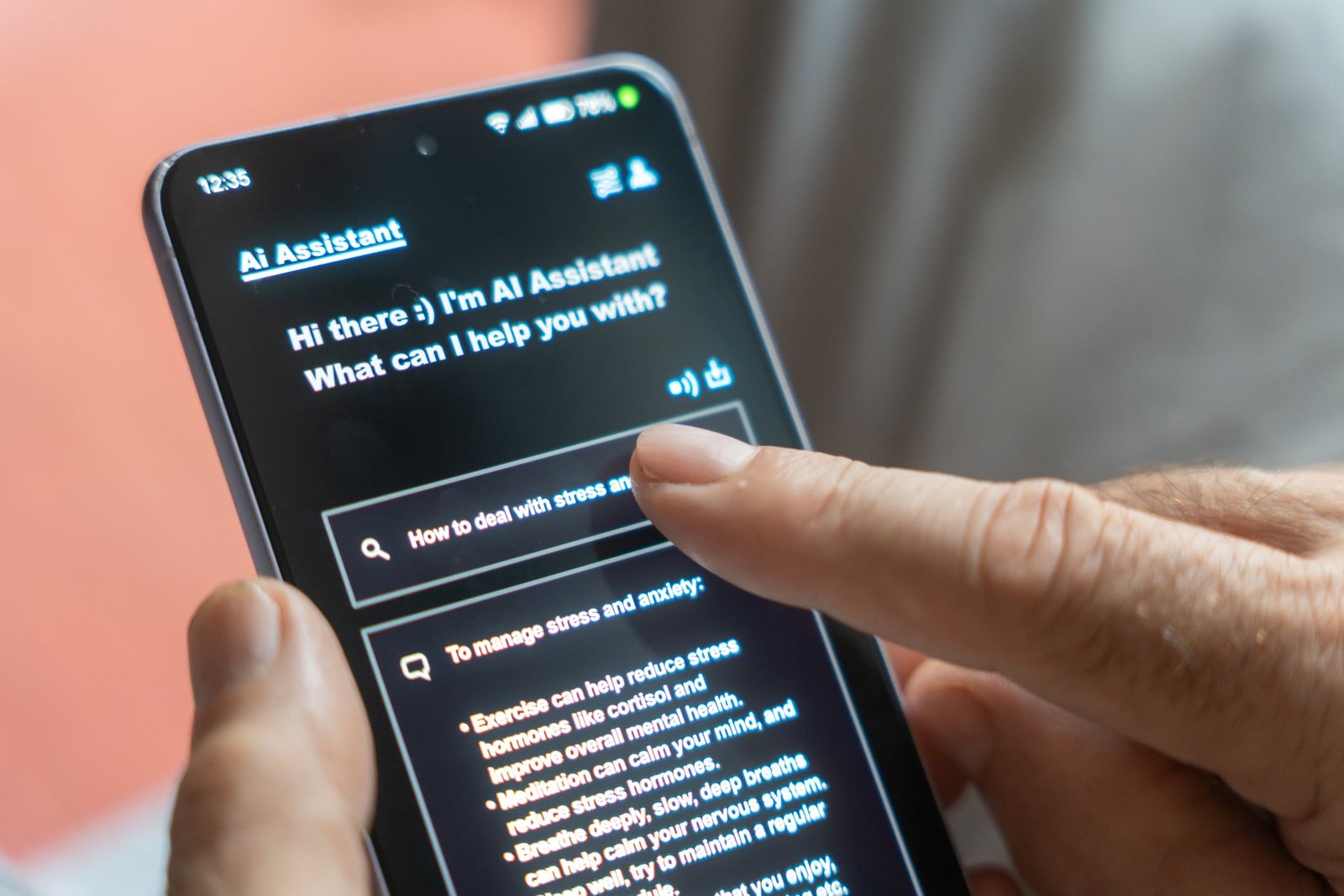
An eHealth survey of more than 1,000 people found that nearly two-thirds of Americans who have sought medical advice from an artificial intelligence tool act on that guidance without consulting a doctor.
Half of respondents relied on AI for medical advice. More than four-fifths of AI users said they trust the medical advice the tool provides, and 29% of Americans said they completely trust its results. According to EHealth, 17% of AI users do not primarily trust the medical advice provided by the technology, and 1% do not fully trust the output.
While a small number of people using AI for medical advice are skeptical of the tool’s output, most users have enough confidence in the information to use the technology to shape decisions about their care. More than 70% of AI users changed their decision to seek medical care based on the tool’s medical advice. This number includes 36% of AI users who refused medical care based on advice.
Chatbots based on large-scale language models such as ChatGPT, Claude, and Gemini have shown good performance in medical tests. However, research shows that basing care decisions on advice from such AI tools can lead to poor choices.
Recent research has found that people struggle to use tools effectively, providing incomplete information or submitting queries that are misinterpreted by AI models. Slightly different user questions resulted in completely different answers, and the tool provided a mix of good and bad information that users had a hard time filtering through.
One caveat is that this study was conducted in 2024, and the AI model has improved since then. A preprint paper focused on the performance of AI in women’s health found that the new model showed “significant improvements in avoiding inappropriate recommendations,” but the authors still concluded that the tool was unable to provide reliable advice.
The eHealth study, which helps Americans find health insurance, also features the use of AI to answer insurance questions. About one-third of Americans with insurance are using AI to understand how their health insurance works. More than 90% of them said they trusted the information they received.
Three-quarters of respondents said they were confident in their ability to understand key health insurance terminology. However, eHealth found that 61% of people could not accurately define “coinsurance” and 56% could not accurately define “deductible.” Between 33% and 45% of people could not accurately define “out-of-pocket limit,” “premium,” or “out-of-pocket expense.”
