


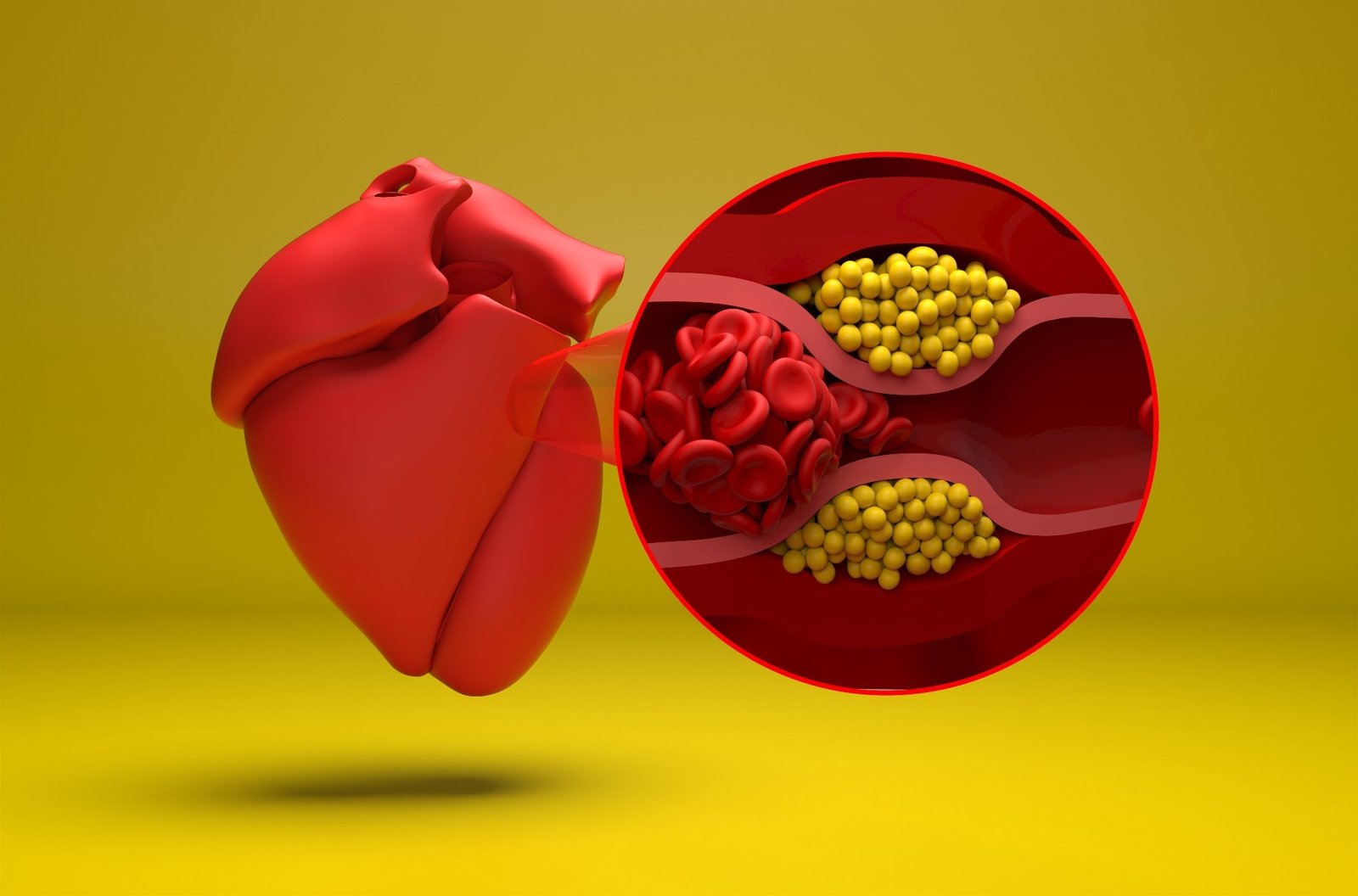
A large-scale real-world analysis suggests that GLP-1 receptor agonists may provide thrombotic-related and survival benefits without altering some cardiovascular endpoints in high-risk populations with chronic inflammation.
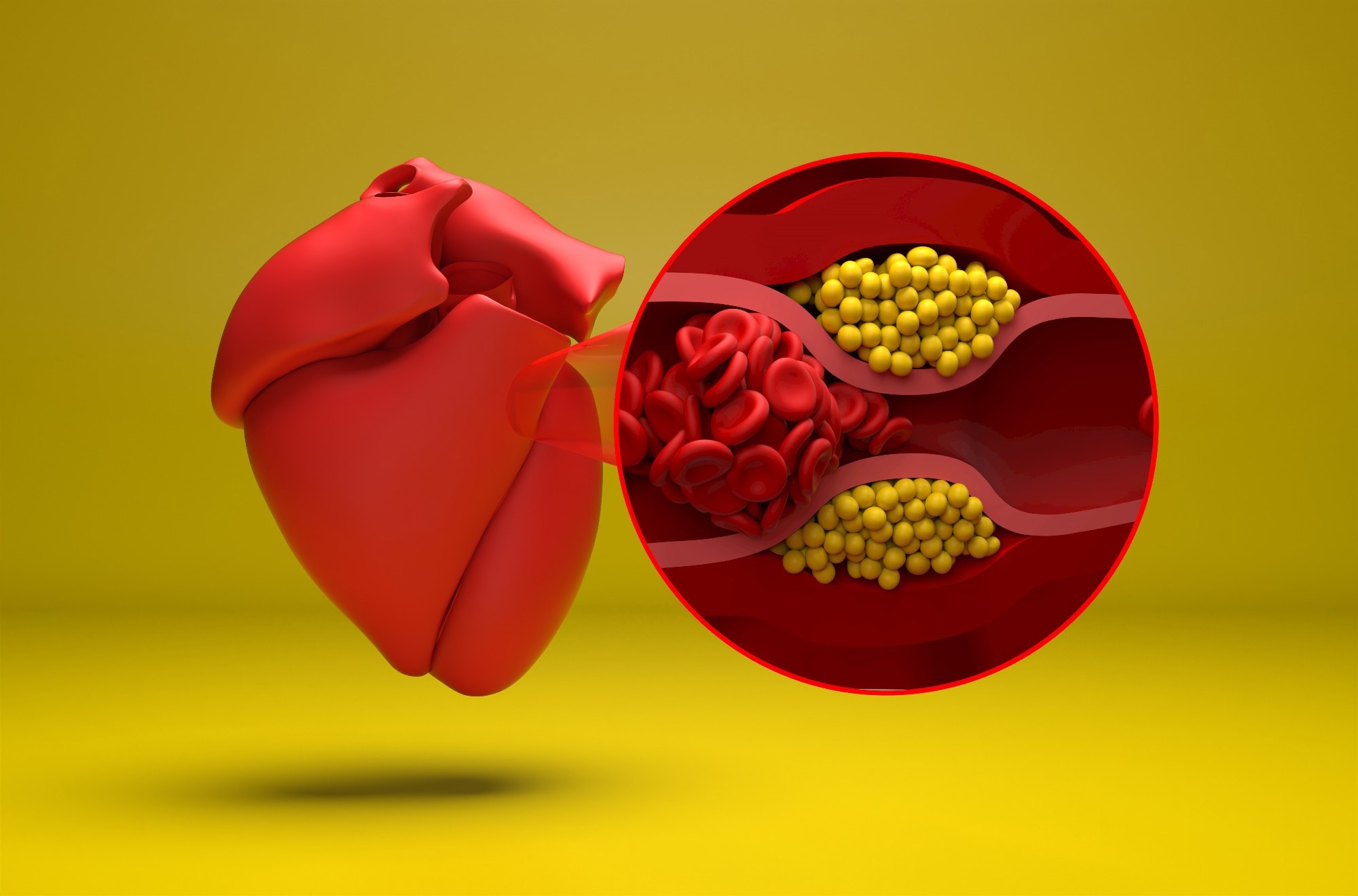
Study: Glucagon-like peptide 1 receptor agonists and cardiovascular events in adults with obesity and autoimmune disease: Targeted trial emulation. Image credit: Nemes Laszlo / Shutterstock
In a recent study published in American Heart Association JournalResearchers emulated a controlled trial to assess the association between glucagon-like peptide-1 receptor agonist (GLP-1RA) treatment and the risk of thromboembolic and cardiovascular events in adults with obesity and autoimmune disease (AID).
Obesity is a major global public health crisis. Its prevalence increased from 30.5% in 1999-2000 to 41.9% from 2017 to March 2020. Obese patients are recognized to be at increased risk of thromboembolic and cardiovascular events. If you also have an AID, your risk of complications may be even higher. Approximately 15 million people in the United States have an AID. Studies have shown that people with AIDs have a 40% to 100% increased risk of thromboembolic and cardiovascular complications.
GLP-1RA therapy is highly effective in controlling blood sugar, weight loss, and reducing cardiometabolic risks. Studies have shown that GLP-1RA reduces major cardiovascular events (MACE) in patients with type 2 diabetes (T2D) and obese/overweight patients with cardiovascular disease. Although it is suspected that these benefits apply to other patient populations, there are insufficient data to support such speculation, particularly in obese patients with AID.
About research
In this study, researchers investigated the association between GLP-1RA use and major cardiovascular and thromboembolic events in adult obesity and AID. This targeted trial emulation used electronic health record (EHR) data from the OneFlorida+ network. The study included patients diagnosed with AID at the time of cohort enrollment from January 2014 to January 2024 and eligible for anti-obesity drug therapy. The focus was on starting GLP-1RA therapy.
The control group included patients who did not start GLP-1RA during the study period. The primary outcomes were myocardial infarction (MI), pulmonary embolism (PE), coronary revascularization, transient ischemic attack (TIA) or stroke, and venous thromboembolism (VTE). Secondary outcomes included emergency department (ED) visits, hospitalizations, and all-cause mortality.
GLP-1RA users and non-users were matched using propensity scores. We estimated the incidence rate (IR) of the outcome per 1000 person-years. Cumulative incidence was estimated using the Kaplan-Meier survival method. The Cox proportional hazards model is an estimated hazard ratio comparing GLP-1RA users to non-users. Subgroup analyzes were performed for several prespecified factors, including age, gender, race/ethnicity, and T2D.
Survey results
The study included 484,467 patients with AID who were eligible for antiobesity drug therapy. Of these, 18,044 were GLP-1RA users and the rest were non-users. After propensity score matching, the analysis cohort consisted of 26,408 matched patients, including 13,204 users and 13,204 non-users. The average age of participants was 54.7 years. Most were female (approximately 74%) and non-Hispanic white (approximately 53%). Medications and comorbidities were approximately balanced between the two groups.
The IR for MI per 1,000 person-years was 11.2 and 13.1 for GLP-1RA users and non-users, respectively. For TIA or stroke, the IR was 18.8 for GLP-1RA users and 21.9 for non-users. The IR for PE was 6.4 in GLP-1RA users and 9.5 in non-users, and the IR for VTE was 16.6 in users and 20.4 in non-users. Both groups showed similar IR of coronary revascularization. For hospitalization and emergency department visits, the IR for GLP-1RA users was 210.4 and 150.9, respectively, compared to 231.3 and 193 for non-users.
The IR for all-cause mortality was 9.5 for GLP-1RA users and 16.9 for non-users. The research team found that the risk of PE, stroke, TIA, and VTE was lower with GLP-1RA compared to not using GLP-1RA. GLP-1RA use was also associated with a lower risk of mortality and emergency department visits, but did not significantly reduce hospitalizations. Furthermore, GLP-1RA therapy was associated with a reduced risk of stroke or TIA, MI, VTE, PE, all-cause mortality, hospitalization, and emergency department visits in patients with T2D. The association with PE and VTE was attenuated in patients without T2D and was not statistically significant.
conclusion
In summary, GLP-1RA treatment was associated with significant reductions in PE, VTE, stroke/TIA, emergency department visits, and all-cause mortality in adults with obesity and AIDs. Specifically, GLP-1RA users had a 31%, 17%, 21%, and 44% lower risk of PE, VTE, emergency department visits, and mortality, respectively, compared to nonusers.
Additionally, there was a statistically significant moderate association for stroke/TIA and a suggestive but non-significant trend for MI, while coronary revascularization and hospitalizations were not significantly reduced.
Overall, the results of this study suggest a potential benefit of GLP-1RA treatment in this high-risk population, but residual confounding and heterogeneity across autoimmune diseases means that the results should not be interpreted as evidence of causation.
Click here to download your PDF copy.
Reference magazines:
- Dai H, Lee YA, Natalie A, et al. (2026). Glucagon-like peptide-1 receptor agonists and cardiovascular events in adults with obesity and autoimmune disease: Targeted trial emulation. American Heart Association Journal, 15, e047893. Doi: 10.1161/JAHA.125.047893, https://www.ahajournals.org/doi/full/10.1161/JAHA.125.047893
