


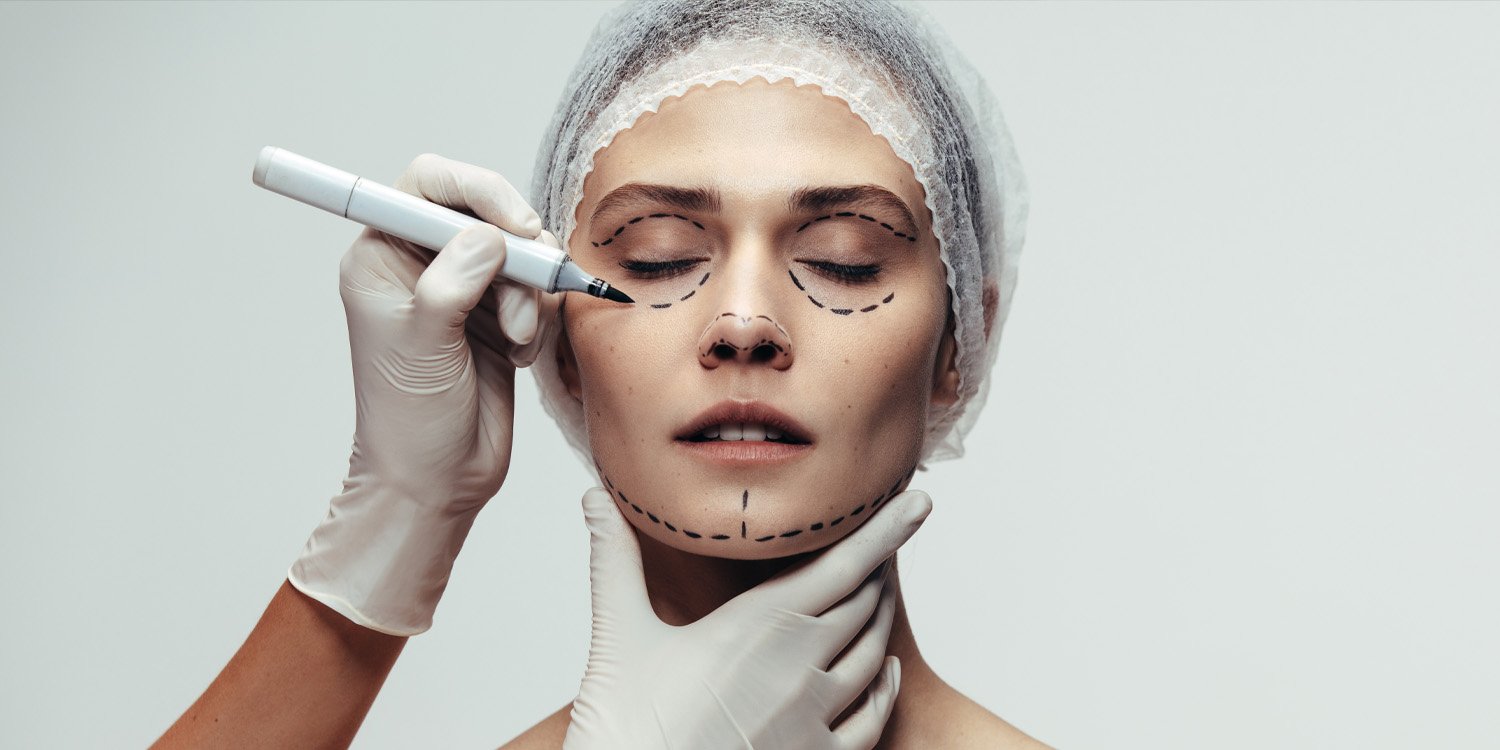
People who display traits such as narcissism, psychopathy, and manipulativeness are significantly more willing to alter their appearance through cosmetic procedures. A recent study evaluating college students identified a predictable relationship between these dark personality traits and favorable attitudes toward cosmetic surgery. The study was published in the journal Aesthetic Plastic Surgery.
Cosmetic surgery includes procedures aimed at altering or enhancing a person’s appearance and is distinct from reconstructive plastic surgery, which aims to repair physical abnormalities. The past few years have seen a surge in demand for cosmetic procedures such as rhinoplasty, lip injections, and body contouring. Due to the influence of social media and evolving beauty standards, many young people view surgical intervention as a normal path to self-improvement. Researchers are increasingly working to understand the underlying psychological motivations that drive individuals to make these cosmetic changes.
To understand socially objectionable behavior, psychologists often focus on a set of personality traits known as the Dark Triad. This trio consists of narcissism, psychopathy, and Machiavellianism. These traits exist on a spectrum and are generally viewed negatively by society, meaning that everyone has them to varying degrees. High levels of these traits are often associated with a lack of empathy and a strong desire for personal advancement and social superiority.
Narcissism involves extreme self-centeredness, an exaggerated sense of superiority, and a constant desire for external admiration. Psychopathy is characterized by impulsive behavior, thrill-seeking tendencies, and a general disregard for the feelings of others. Machiavellianism describes a cynical worldview in which individuals manipulate situations and treat others as tools for personal gain.
Pakstan Faik Mohammedan, a researcher at Solan University in Iraq’s Kurdistan Region, led the study. Mohamedamin collaborated with colleagues Karwan K. Qakamado, Jaafar Omer Ahmed, and Rizgar Azatkan Saeed. The research team wanted to understand how these unpleasant personality profiles intersect with the desire for physical perfection.
Most previous research on personality and cosmetic surgery has focused primarily on Western populations. The Middle East maintains distinct cultural and religious norms regarding body modification and social conformity. The researchers wanted to see if the psychological factors observed in Europe and the United States also applied to Kurdish students, who live under different social standards.
To test their hypothesis, the research team surveyed 1,321 undergraduate students from October to November 2024. The majority of participants were women, with 984 women and 337 men. Students ranged in age from 18 to 35 years, and the majority reported being from a middle-income economic background.
Students completed two widely used psychological questionnaires. The first test measured three dark personality traits by asking participants to rate their agreement with statements about manipulating others and disregarding morality. The second assessment measured how favorably students viewed cosmetic surgery on a 7-point scale.
This cosmetics acceptance questionnaire categorized attitudes into three separate dimensions. The first category measured personal benefits, such as the belief that it makes more sense to have minor surgery than to feel bad about your appearance. The second category assessed social incentives, such as whether a partner’s approval encouraged them to undergo surgery. The final category assessed students’ actual likelihood of scheduling a procedure in the future.
This study revealed significant gender disparities in personality scores. Male students scored higher on all three dark personality traits than female students. This gap was particularly pronounced in the areas of psychopathy and Machiavellianism.
Attitudes toward surgery showed a different pattern. Female students reported that they were more likely to seriously consider cosmetic surgery for themselves in the future. Men and women showed similar levels of agreement regarding the perceived personal or social benefits of cosmetic surgery.
When researchers analyzed the combined data, they found a reliable mathematical link between vulnerable personality traits and acceptance of cosmetic surgery. Students who scored high on narcissism, psychopathy, or Machiavellianism were predictably more willing to go under the knife. Together, these three characteristics accounted for nearly one-fifth of the total statistical variation in acceptance of cosmetic surgery among students surveyed.
Narcissism emerged as the strongest predictor of a person’s willingness to change their appearance. People with strong narcissistic tendencies emphasize physical attractiveness as a means of attracting attention. The researchers noted that a lack of disguised self-esteem predisposes narcissistic individuals to seeking external validation and artificially elevating themselves.
This focus on appearance closely borders on body dysmorphia, which is a severe preoccupation with perceived physical flaws. People who are extremely dissatisfied with their bodies often seek cosmetic surgery, but the procedures rarely provide long-term relief. Researchers suggest that narcissistic patients may similarly seek cosmetic surgery to quell deep-seated fears about their public image.
The researchers also examined whether age, marital status, and economic background influenced students’ attitudes toward surgery. The results for these socio-economic factors were not statistically significant. Despite the high financial costs of these medical procedures, the psychological effects of physical enhancement appeared to affect students from different income brackets equally.
These findings have practical applications for healthcare providers. The researchers recommend that plastic surgeons and mental health professionals assess potential patients’ underlying personality traits during the initial consultation. Screening for high levels of narcissism or related traits may help doctors identify individuals who may be suffering from unrealistic expectations or post-surgery dissatisfaction.
This study has some methodological limitations. As a cross-sectional study, this study captures a single snapshot in time. This type of methodology cannot prove that a dark personality profile directly causes a desire for cosmetic surgery, only that the variables are mathematically related.
Relying on self-report surveys leaves room for students to respond in ways that make them appear morally favorable, a psychological phenomenon known as social desirability bias. The findings are also limited by focusing only on the college population. Motivations for changing one’s body often change as a person ages and enters different occupational settings.
The researchers recommend longitudinal studies that track how personality traits influence attitudes toward appearance over several decades. They also suggest incorporating clinical screening for body dysmorphic disorder into future psychological assessments. Documenting these hidden variables may provide a clearer understanding of why physically healthy young people choose to surgically alter their bodies.
The study, “Three Dark Signs of Personality Associated with Acceptance of Cosmetic Surgery among College Students,” was authored by Pakstan Faikh Mohamedamin, Karwan K. Qakamado, Jaafar Omer Ahmed, and Rizgar Azatkan Saeed.
