


An analysis of 2024 National Survey on Drug Use and Health (NSDUH) data revealed that 2.8% of participating Americans ages 12 and older reported using psilocybin in the past year. Generalized to the entire U.S. population, this equates to approximately 8 million people. Young adults and men were more likely to have ever used psilocybin, whereas women and individuals over age 50 were less likely to have ever used psilocybin. The paper is American Journal of Psychiatry.
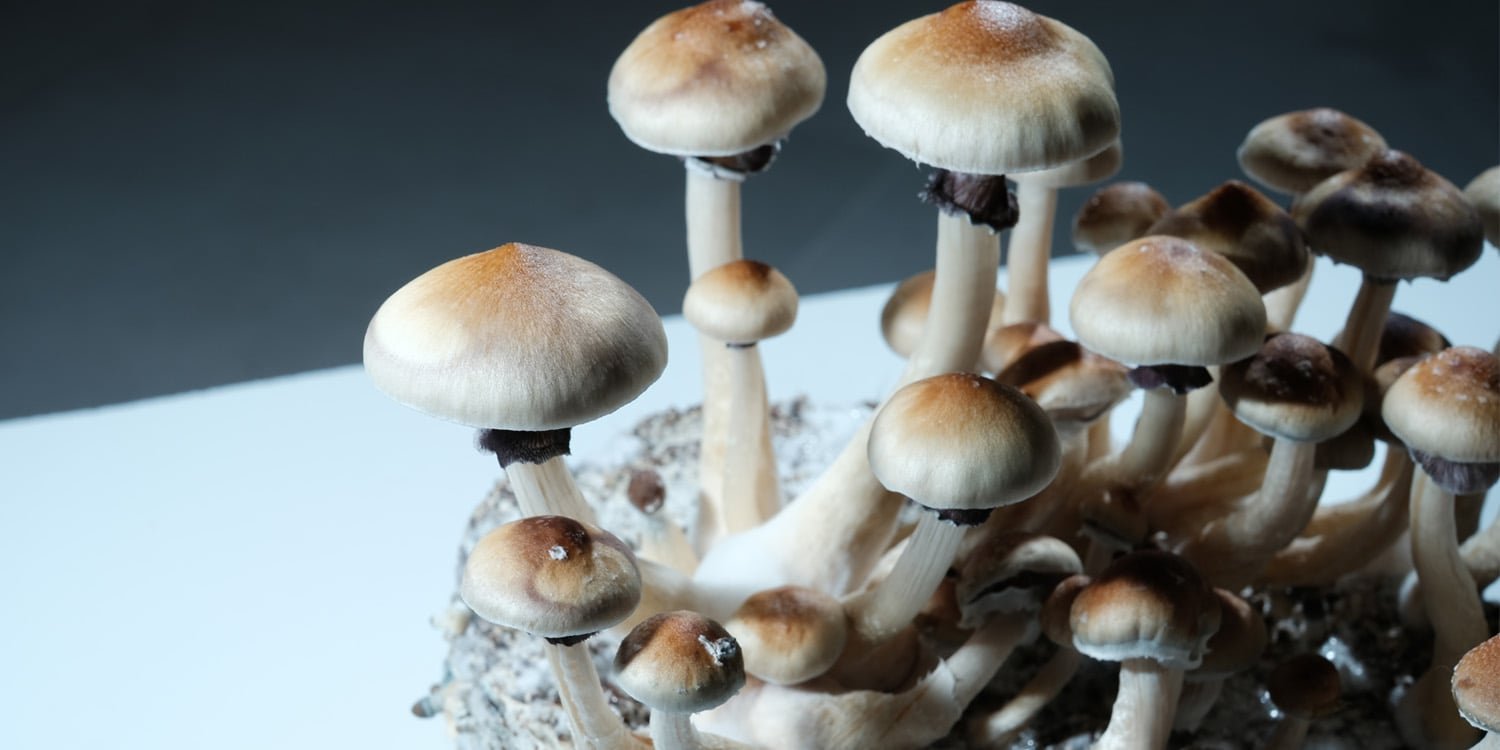
Psilocybin is a naturally occurring psychedelic compound found in certain types of mushrooms, also known as “magic mushrooms.” After ingestion, the body converts psilocybin to psilocin, which affects serotonin receptors in the brain, specifically 5-HT2A receptors. It can alter your perception, mood, thoughts, and sense of time. After taking psilocybin, you may experience visual changes, intensified emotions, unusual thoughts, and a feeling of being more connected to other people and the world around you.
Effects usually begin within about 20 to 60 minutes and may last several hours depending on the dose and how it is taken. Experiences can be fun, meaningful, confusing, and frightening, and are strongly influenced by the person’s mindset and environment. However, psilocybin can cause panic, paranoia, or worsening of symptoms in people who are vulnerable to psychosis or certain other mental health conditions.
Psilocybin is being studied as a treatment for conditions such as depression, anxiety related to serious illness, and some types of addiction. In research settings, it is usually not used as a standalone drug, but is given with psychological support and careful screening. Its legal status varies by country and region, and in many regions it remains illegal outside of approved research and regulated clinical settings.
Study author Kevin H. Yang and colleagues analyzed results from the 2024 National Survey on Drug Use and Health (NSDUH) to estimate the prevalence and correlates of psilocybin use among Americans ages 12 and older. The National Survey on Drug Use and Health is an annual cross-sectional survey of the noninstitutionalized U.S. population.
The data used in this analysis were obtained from 58,633 respondents. Fifty-one percent of study participants were women. 42% were over 50 years old and 9% were under 18 years old. Fifty-nine percent of study participants identified as non-Hispanic white.
The analysis used participants’ demographic data, whether they suffered from depression in the past year, and their use of a variety of substances, including smoking, nicotine inhalation, cannabis use, cocaine use, use of other types of illicit drugs, or misuse of prescription drugs such as painkillers, stimulants, and sedatives. The study also tracked whether participants were classified as having an alcohol use disorder. The 2024 survey was the first NSDUH survey to specifically ask about psilocybin.
Results showed that 2.8% of participants reported using psilocybin in the past year. Generalizing this to the US population, 8 million US residents have used it in the past year.
Participants aged 18 to 25 years had 41% higher odds of using psilocybin compared to individuals aged 35 to 49 years (reference group), whereas participants aged 50 years and older had almost three times lower odds of using psilocybin compared to the reference group. Women used psilocybin much less frequently than men. Non-Hispanic black and Hispanic individuals were less likely to have used psilocybin in the previous year compared to non-Hispanic white participants.
Interestingly, people with annual household incomes between $20,000 and $49,999, as well as those above $75,000, were more likely to have used psilocybin compared to people with annual household incomes less than $20,000. The exception was individuals with household incomes between $50,000 and $74,999. Individuals with some college or undergraduate/graduate degree were more than twice as likely to have used psilocybin compared to individuals without a high school diploma.
People who suffered from depression were slightly more likely to have used psilocybin. Those who reported using cannabis were more than 13 times more likely to also use psilocybin than those who did not use cannabis. Similarly, participants who reported using LSD (7.87 times), ketamine (6.03 times), and MDMA (ecstasy 3.52 times) had significantly increased odds of using psilocybin. The values were also slightly higher for people who misused prescribed stimulants, used cocaine, smoked nicotine, or were classified as having an alcohol use disorder.
“As psilocybin use continues to increase amid decriminalization efforts, state-level legalization, and potential FDA approval, these nationally representative estimates and correlations of the prevalence of psilocybin use over the past year provide important data for public health surveillance and clinical practice,” the study authors wrote. “Clinicians should consider screening for psilocybin use, especially in patients who use other psychedelics or cannabis or who are depressed, and should investigate motivations for use and perceived benefits and harms.”
“The finding that patients with depression are more likely to use psilocybin warrants further investigation, and as psychedelic use increasingly intersects with routine psychiatric treatment, continued monitoring is essential to provide evidence-based clinical guidance,” the researchers concluded.
This study contributes to scientific knowledge about the U.S. population’s psilocybin use habits. However, it should be noted that while the study authors believe that the NSDUH survey is representative of the U.S. population, the reported response rate was only 11.3%, leaving room for nonresponse bias to have influenced the results (if those who participated happened to be systematically different from those who declined to participate). Because the study was cross-sectional, it is also not possible to determine whether depression caused participants’ psilocybin use or whether psilocybin use caused their depression.
The paper, “Prevalence and Correlates of Psilocybin Use in the Past Year in the United States,” was authored by Kevin H. Yang, Avery Eun, and Joseph J. Palamar.
