


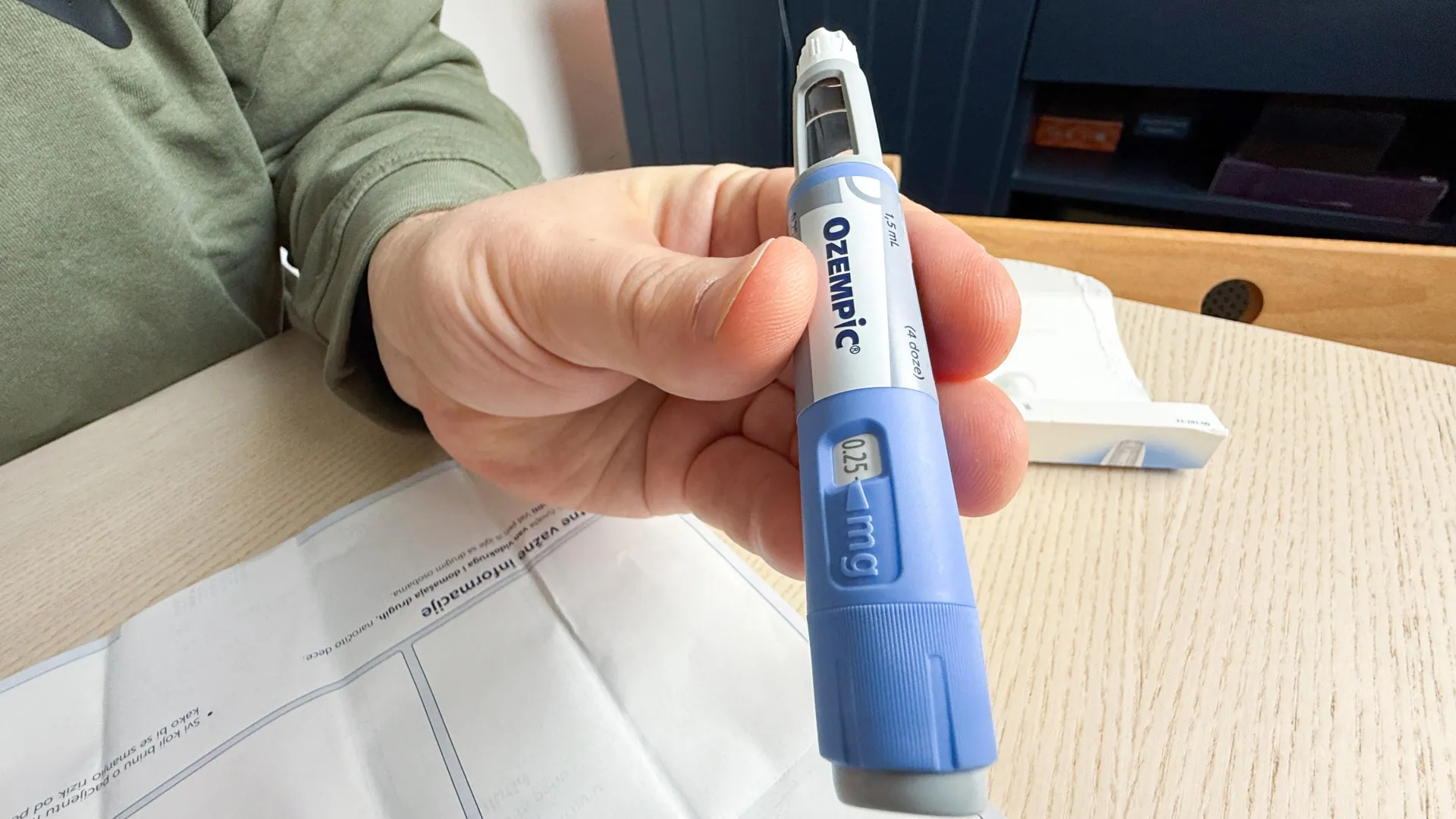
Popular drugs such as Ozempic, Wegovy, Mounjaro, and Zepbound may offer unexpected benefits beyond just losing weight and managing diabetes. A new study of more than 110,000 women found that women taking GLP-1 drugs, a category that includes semaglutide-based drugs such as Ozempic and Wigovy, were significantly less likely to develop breast cancer.
The study results will be presented at the 2026 American Society of Clinical Oncology (ASCO) Annual Meeting. JCO Oncology Clinic. Researchers reported that women taking GLP-1 drugs were about 30% less likely to develop breast cancer than women not taking them.
“While our study is observational and does not conclusively support an association between GLP-1 drugs and reduced breast cancer incidence, there is a growing body of evidence to suggest that these weight loss drugs are worth investigating as potential cancer prevention tools,” said Elizabeth McDonald, MD, professor of radiology at the University of Pennsylvania Perelman School of Medicine and practicing breast radiologist at the University of Pennsylvania Abramson Cancer Center.
Ozempic, Wegovy, and other GLP-1 drugs gain interest in cancer research
GLP-1 drugs mimic a naturally occurring hormone called glucagon-like peptide-1, which helps regulate appetite and blood sugar levels. This class includes semaglutide drugs such as Ozempic and Wegovy, and tirzepatide drugs such as Mounjaro and Zepbound. These drugs were originally developed to treat type 2 diabetes, but have now become some of the most widely used weight loss drugs in the United States.
In recent years, several observational studies have suggested that GLP-1 drugs may be associated with lower risk of certain cancers and improved outcomes for cancer survivors. However, researchers stress that observational studies alone cannot prove causation. Large prospective clinical trials are still needed to determine whether drugs directly reduce cancer risk.
To answer this question, MacDonald and his colleagues are working to start a multicenter clinical trial to test whether GLP-1 drugs can reduce the incidence of breast cancer in women considered to be at high risk, including those with a history of breast cancer.
“GLP-1 therapeutics are interesting from a cancer research perspective because they are not designed to treat cancer, but they affect many different targets and pathways associated with cancer development, so we want to study them in this context,” McDonald said.
Study of more than 110,000 women reveals lower breast cancer incidence
The researchers examined the electronic health records of 111,646 women ages 45 to 80 with a BMI of 25 or higher who underwent breast imaging within the Penn Medicine health system between January 2022 and June 2025.
Of these women, 15,264 (13.7 percent) had a documented prescription for a GLP-1 drug, while 96,382 (86.3 percent) had no documented exposure to the drug.
Researchers evaluated new breast cancer diagnoses in two separate groups. The first group included the entire population of 111,646 women. The second was a matched cohort of 30,528 women, combining each GLP-1 user with a non-user who shared similar characteristics such as age, race, ethnicity, BMI, breast density, and diabetes status. This approach is designed to reduce bias and account for potential confounders.
The results were consistent in both analyses. Across the entire study population, women taking GLP-1 drugs were 35.1 percent less likely to develop breast cancer. In the matched analysis, odds were 30.5% lower.
The researchers noted several limitations. The study did not differentiate between specific drugs such as Ozempic, Wegovy, Mounjaro, and Zepbound. It also did not take into account treatment duration, genetic risk factors, cancer stage, or tumor subtype. Additional analyzes are planned to examine some of these variables.
Why weight loss drugs affect breast cancer risk
Scientists have long recognized that maintaining a healthy weight is an important part of breast cancer prevention. It is well established that excess weight, especially postmenopausal weight, is a risk factor for this disease.
GLP-1 drugs are highly effective at promoting weight loss, so some of the observed benefits may be related to weight loss. However, researchers suspect that other biological mechanisms may also be involved.
It has long been thought that chronic low-grade inflammation may contribute to the development of breast cancer. GLP-1 drugs are known to reduce inflammation through several pathways. It can also affect epigenetic processes that affect metabolism and help regulate gene activity. Researchers now believe that these combined effects may help suppress the development of breast cancer.
Can Ozempic and similar drugs help prevent breast cancer?
Current options for reducing breast cancer risk remain relatively limited.
In addition to regular screening with mammography or MRI, some individuals with inherited genetic mutations that significantly increase their risk of breast cancer may choose preventive surgery, such as a prophylactic mastectomy.
Tamoxifen can significantly reduce the incidence of breast cancer in high-risk patients, but many eligible women do not take the drug due to concerns about side effects.
In contrast, GLP-1 drugs such as Ozempic, Wegovy, Mounjaro, and Zepbound are already used by millions of Americans, making them a particularly attractive area for future prevention research.
“Ultimately, we want to find better options to prevent breast cancer,” McDonald said. “It is encouraging to see breast cancer survival rates improving in recent decades, and we look forward to seeing similar improvements in prevention.”
This research was supported by the American College of Radiology Research and Innovation Center, the Pennsylvania Breast Cancer Coalition, and the Abramson Cancer Center.
