


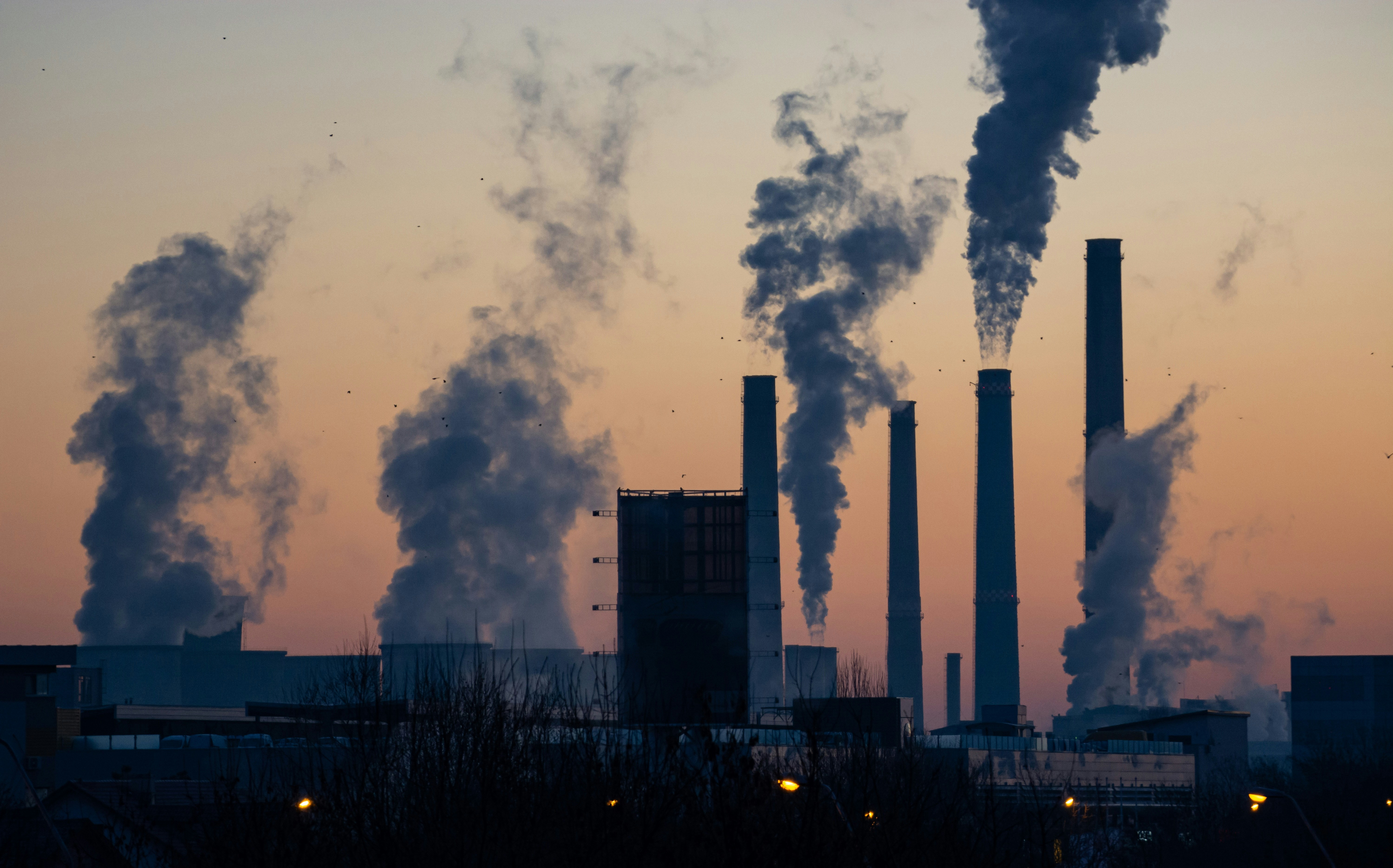
Urban areas worldwide confront mounting pressures from climate change and environmental health threats, including intensified heatwaves and degraded air quality that drive up rates of respiratory and cardiovascular diseases. The 2025 Lancet Countdown report provides critical data showing these intersections for researchers. Environmental scientists, urban planners, and public health advocates must collaborate to reverse these trends. Climate change and environmental health concerns call for immediate integration of sustainability into city designs. The WHO offers guidance on incorporating health metrics into urban planning processes to mitigate climate impacts. [https://www.who.int/teams/environment-climate-change-and-health/healthy-urban-environments/urban-planning]
Further analyses from EU sources detail how pollution contributes to broader environmental health impacts climate crisis scenarios, with cities bearing disproportionate burdens. Effective strategies involve expanding green infrastructure and enforcing stricter emission standards, as outlined in recent policy studies. By prioritizing climate change and environmental health in decision-making, cities can achieve dual benefits of reduced disease incidence and lower carbon footprints.
Case examples illustrate how sustainable cities pollution mitigation measures improve quality of life. Air pollution health outcomes improve significantly when planners adopt climate resilient urban environments. This section sets the stage for deeper exploration of actionable solutions.
Climate Change, Air Pollution and Human Health Connections
Climate change and environmental health form complex linkages where elevated temperatures amplify ground-level ozone and particulate pollution burdens. The 2025 Lancet Countdown tracks these dynamics showing sharp rises in heat-related cardiovascular events alongside pollution-triggered respiratory illnesses in densely populated zones. Professionals gain immediate value by applying such datasets to prioritize interventions that address both drivers simultaneously.
Policy evaluations from 2025 confirm that stricter emission curbs yield rapid drops in mortality rates tied to fine particulate exposure. Planners using integrated models achieve better air pollution health outcomes through coordinated actions that also advance sustainable cities pollution mitigation goals. Green infrastructure expansions cool microclimates while capturing pollutants proving especially effective in high-density neighborhoods.
EU assessments of environmental health impacts climate crisis scenarios further reveal how flooding and wildfires compound disease risks via contaminated air and water sources. Quick adoption of climate resilient urban environments delivers measurable reductions in hospital visits within two years per recent tracking studies. Climate change and environmental health strategies become actionable when cities embed health data into zoning and transport decisions.
Research conversion into practice accelerates via targeted training modules that equip scientists and advocates with tools for evidence-driven policy. These approaches produce co-benefits including lowered greenhouse gases and enhanced community resilience documented across multiple international analyses.
Proven Urban Planning Strategies for Health and Resilience
Integrated urban designs in leading cities combine expanded green spaces with low-emission transport systems to simultaneously lower carbon outputs and safeguard residents. Climate change and environmental health benefits emerge when planners prioritize pedestrian zones and tree coverage that filter pollutants and moderate temperatures. WHO guidance details how health-integrated approaches yield measurable air quality gains across diverse climates.
Case studies reveal that cities implementing expanded cycling infrastructure and rooftop gardens record significant drops in hospital admissions linked to respiratory conditions. These tactics advance urban planning and public health by fostering active lifestyles while advancing sustainable cities pollution mitigation. Air pollution health outcomes improve through targeted vegetation buffers along high-traffic corridors.
Spring 2025 policy reviews confirm regulations promoting compact mixed-use developments enhance climate resilient urban environments by decreasing vehicle dependency. Environmental health impacts climate crisis effects diminish under such frameworks that also support biodiversity. Advocates drawing on global leadership programs translate these models into scalable local actions.
Lectures on climate crisis co-benefits underscore that combining renewable energy mandates with park expansions protects vulnerable populations. Climate change and environmental health strategies succeed when cross-sector teams apply real-time monitoring to refine interventions. Resulting resilience strengthens community capacity against future environmental stressors documented in multiple analyses.
Sources
- https://www.thelancet.com/journals/lancet/article/PIIS0140-6736(25)01919-1/abstract
- https://www.who.int/teams/environment-climate-change-and-health/healthy-urban-environments/urban-planning
- https://climatalk.org/2024/10/29/urban-planning-rethinking-cities-in-a-warming-world
- https://link.springer.com/article/10.1007/s10098-025-03385-5
- https://www.frontiersin.org/journals/public-health/articles/10.3389/fpubh.2026.1714680/full
- https://journals.lww.com/environepidem/fulltext/2025/12000/transformingairpollutionandhealth_research.13.aspx
- https://www.rcpath.org/static/b1f92882-5507-4ed3-a368d0dc7fc96d08/Sustainable-pathology-practice-toolkit-A-toolkit-for-climate-resilient-diagnostics-and-clinical-practice.pdf
- https://www.eea.europa.eu/en/topics/in-depth/environmental-health-impacts
- https://www.sciencedirect.com/science/article/abs/pii/S0140673624019342
- https://www.apru.org/event/apru-certificate-in-global-climate-change-leadership-2026
