


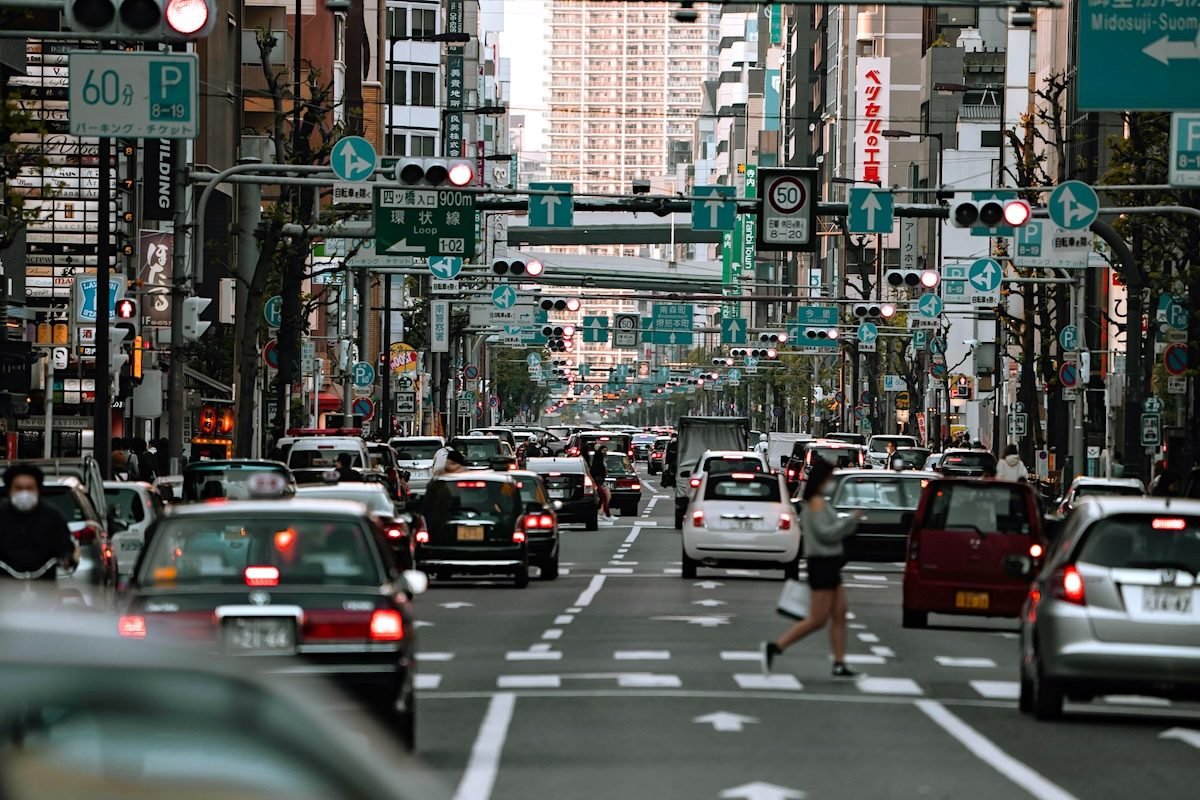
Tiny rubber particles thrown off by car tires have long been known to harm wildlife, but new research shows they can also pose a danger to humans.
6PPD, a chemical added to tires to prevent cracking, changes when exposed to ozone pollution from car exhaust. One of the compounds produced in this process, 6PPD-quinone, is thought to be involved in the death of spawning coho salmon in the Pacific Northwest. For decades, heavy rains have flushed contaminated rainwater into urban waterways, causing salmon deaths to skyrocket.
New research has found that many other chemicals derived from tire wear can pose a threat to humans if inhaled. “When you oxidize one chemical from a tire, you’re probably creating hundreds of chemicals in the mixture,” said co-author John Riggio, Environment and Climate Change Canada.
To understand the potential health risks of tire pollution, researchers exposed human immune cells to a mixture of tire-derived pollutants and 6PPD quinone alone. The mixture caused rapid cell death, among other harms, according to a study published in the journal Environment International. Although the findings are far from conclusive, they do indicate that the risk from airborne tire contamination may be greater than imagined.
Notably, 6PPD-quinone by itself has not been found to be particularly harmful to human cells, said lead author Ali Abdul Sater of York University in Toronto. “This suggests that focusing on single compounds may significantly underestimate the real health risks associated with tire-derived air pollution,” he said.
Also featured in Yale E360
Road hazards: Evidence grows about toxic pollution from tires
