

Close Menu

    Subscribe to Updates

    Get the latest creative news from FooBar about art, design and business.

    What's Hot

    This strange crocodile relative from the Triassic period looked like an ostrich dinosaur

    May 29, 2026

    What science says about masturbation and long-distance relationships

    May 29, 2026

    Astronomers finally solve the decades-old mystery of Saturn’s rotation

    May 29, 2026
    Facebook X (Twitter) Instagram
    Facebook X (Twitter) Instagram
    Health Magazine
    • Home
    • Environmental Health
    • Health Technology
    • Medical Research
    • Mental Health
    • Nutrition Science
    • Pharma
    • Public Health
    • Discover
      • Daily Health Tips
      • Financial Health & Stability
      • Holistic Health & Wellness
      • Mental Health
      • Nutrition & Dietary Trends
      • Professional & Personal Growth
    • Our Mission
    Health Magazine
    Home » News » Brain transposons may influence aging and neurodegenerative disease progression
    Discover

    Brain transposons may influence aging and neurodegenerative disease progression

    healthadminBy healthadminMay 29, 2026No Comments3 Mins Read
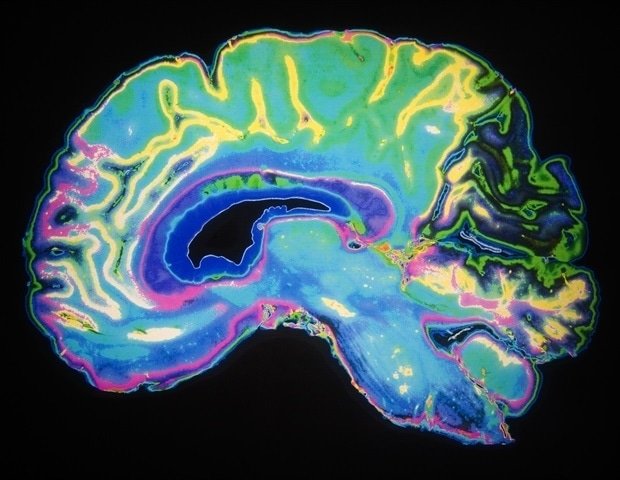
    Brain transposons may influence aging and neurodegenerative disease progression
    Share
    Facebook Twitter Reddit Telegram Pinterest Email


    Transposable elements (TEs), also called transposons, are DNA sequences that can move or replicate from one location in the genome to another. Although TEs are the most important part of the human genome (approximately 40-50%), scientists have only recently begun to recognize their impact on human diseases ranging from cancer to neurodegenerative diseases.

    Normally, our cells keep TEs quiet when they are young, but in a new study from the Boston University Chobanian & Avedian School of Medicine, researchers found that TEs are actively expressed in the human brain as large RNAs that can then be processed into smaller RNAs (18 to 32 nucleotides long). This discovery provides new molecular insights into how our brains age normally and how neurodegenerative diseases affect these normal transposon RNA expression patterns.

    Although transposons are normally silenced by our cells’ genomic defense mechanisms, we found that the normal human brain, developing from adolescence to adulthood, naturally expresses larger RNA messages from transposons, and brain cells then metabolize some proportion to smaller RNAs through active or passive mechanisms. ”


    Dr. Nelson Lau, Corresponding Author, Associate Professor of Biochemistry and Director of the BU Genome Sciences Institute

    Specifically, the researchers investigated how this transposon RNA processing is affected in brain samples from patients with the neurodegenerative diseases Huntington’s disease and Parkinson’s disease. Their results showed that Huntington’s disease affects small RNA expression of transposons, and Parkinson’s disease has an even stronger effect on large RNAs of transposons. Researchers argue that transposon RNA expression deserves more attention in neurodegenerative diseases. This is because our brains continue to express transposon RNAs as we age, and the processing of large RNAs into small RNAs may reveal different origins of neurodegenerative diseases.

    Lau and his team designed the study to have access to both publicly available datasets produced by the NIH BrainSpan Atlas consortium and a proprietary dataset created by the groups of Richard Myers and Adam Radolf at Boston University Chobanian & Avedisyan School of Medicine. These human brain RNA datasets are specialized to include matched sets of both large and small RNAs sequenced from each human sample. The BU team then integrated all these datasets into a complex bioinformatics analysis platform to examine trends in changes in transposon RNA levels.

    Researchers say Huntington’s disease has a clear genetic cause, but the genetic cause of Parkinson’s disease remains unclear. “We asked whether the expression of transposon RNAs in these two disease states could shed light on the molecular differences between these two diseases. Most studies have ignored transposon RNAs, so we wanted to refocus on these more difficult transcripts to understand how the brain expresses, metabolizes, and processes these RNAs during aging,” added Lau.

    The findings will be published in the online journal Genome Research.

    sauce:

    Boston University School of Medicine

    Reference magazines:

    Dayama, G. others. (2026). Small and large RNAs of transposable elements in the aging brain and their impact on Huntington’s and Parkinson’s diseases. genome research. DOI: 10.1101/gr.280565.125. https://genome.cshlp.org/content/early/2026/05/18/gr280565125


    Source link

    Visited 4 times, 4 visit(s) today
    Share. Facebook Twitter Pinterest LinkedIn Telegram Reddit Email
    Previous ArticleAI ingredient swapping makes meals healthier and more affordable
    Next Article Income-related medical disparities revealed in the purchase of menstrual pain medication
    healthadmin

    Related Posts

    4basebio launches high-performance enzyme ssDNA platform to accelerate next-generation gene editing

    May 29, 2026

    Children left waiting up to two years for NHS continence care, new data reveals

    May 29, 2026

    WHO prioritizes vaccine and treatment candidates for Bundibugyo virus

    May 29, 2026

    Can guava juice help prevent anemia?

    May 29, 2026

    Researchers say digital mental health tools can provide students with support during exam season with just one use

    May 29, 2026

    Pistoia Alliance poll finds half of clinical trial professionals cite trust and regulatory gaps as barriers to AI adoption

    May 29, 2026
    Add A Comment
    Leave A Reply Cancel Reply

    Categories

    • Daily Health Tips
    • Discover
    • Environmental Health
    • Exercise & Fitness
    • Featured
    • Featured Videos
    • Financial Health & Stability
    • Fitness
    • Fitness Updates
    • Health
    • Health Technology
    • Healthy Aging
    • Healthy Living
    • Holistic Healing
    • Holistic Health & Wellness
    • Medical Research
    • Medical Research & Insights
    • Mental Health
    • Mental Wellness
    • Natural Remedies
    • New Workouts
    • Nutrition
    • Nutrition & Dietary Trends
    • Nutrition & Superfoods
    • Nutrition Science
    • Pharma
    • Preventive Healthcare
    • Professional & Personal Growth
    • Public Health
    • Public Health & Awareness
    • Selected
    • Sleep & Recovery
    • Top Programs
    • Weight Management
    • Workouts
    Popular Posts
    • 1773313737_bacteria_-_Sebastian_Kaulitzki_46826fb7971649bfaca04a9b4cef3309-620x480.jpgHow Sino Biological ProPure™ redefines ultra-low… March 12, 2026
    • pexels-david-bartus-442116The food industry needs to act now to cut greenhouse… January 2, 2022
    • the-pros-and-cons-of-paleo-dietsThe Pros and Cons of Paleo Diets: What Science Really Says April 16, 2025
    • 1773729862_TagImage-3347-458389964760995353448-620x480.jpgDespite safety concerns, parents underestimate the… March 17, 2026
    • 1773209206_futuristic_techno_design_on_background_of_supercomputer_data_center_-_Image_-_Timofeev_Vladimir_M1_4.jpegMulti-agent AI systems outperform single models… March 11, 2026
    • 1774403998_image_28620e4b6b0047f7ab9154b41d739db1-620x480.jpgGait pattern helps distinguish between Lewy body… March 24, 2026

    Demo
    Stay In Touch
    • Facebook
    • Twitter
    • Pinterest
    • Instagram
    • YouTube
    • Vimeo
    Don't Miss

    This strange crocodile relative from the Triassic period looked like an ostrich dinosaur

    By healthadminMay 29, 2026

    During the Triassic period, many of the major animal groups we know today were just…

    What science says about masturbation and long-distance relationships

    May 29, 2026

    Astronomers finally solve the decades-old mystery of Saturn’s rotation

    May 29, 2026

    FDA approves pediatric expansion of MannKind’s Afrezza

    May 29, 2026

    Subscribe to Updates

    Get the latest creative news from SmartMag about art & design.

    HealthxMagazine
    HealthxMagazine

    At HealthX Magazine, we are dedicated to empowering entrepreneurs, doctors, chiropractors, healthcare professionals, personal trainers, executives, thought leaders, and anyone striving for optimal health.

    Our Picks

    FDA approves pediatric expansion of MannKind’s Afrezza

    May 29, 2026

    Newly discovered bird of prey may have hunted like a giant heron

    May 29, 2026

    Is binge-watching a harmless hobby or an addiction? Loneliness may be the deciding factor

    May 29, 2026
    New Comments
      Facebook X (Twitter) Instagram Pinterest
      • Home
      • Privacy Policy
      • Our Mission
      © 2026 ThemeSphere. Designed by ThemeSphere.

      Type above and press Enter to search. Press Esc to cancel.