


Listen to the audio version of this article (generated by AI).
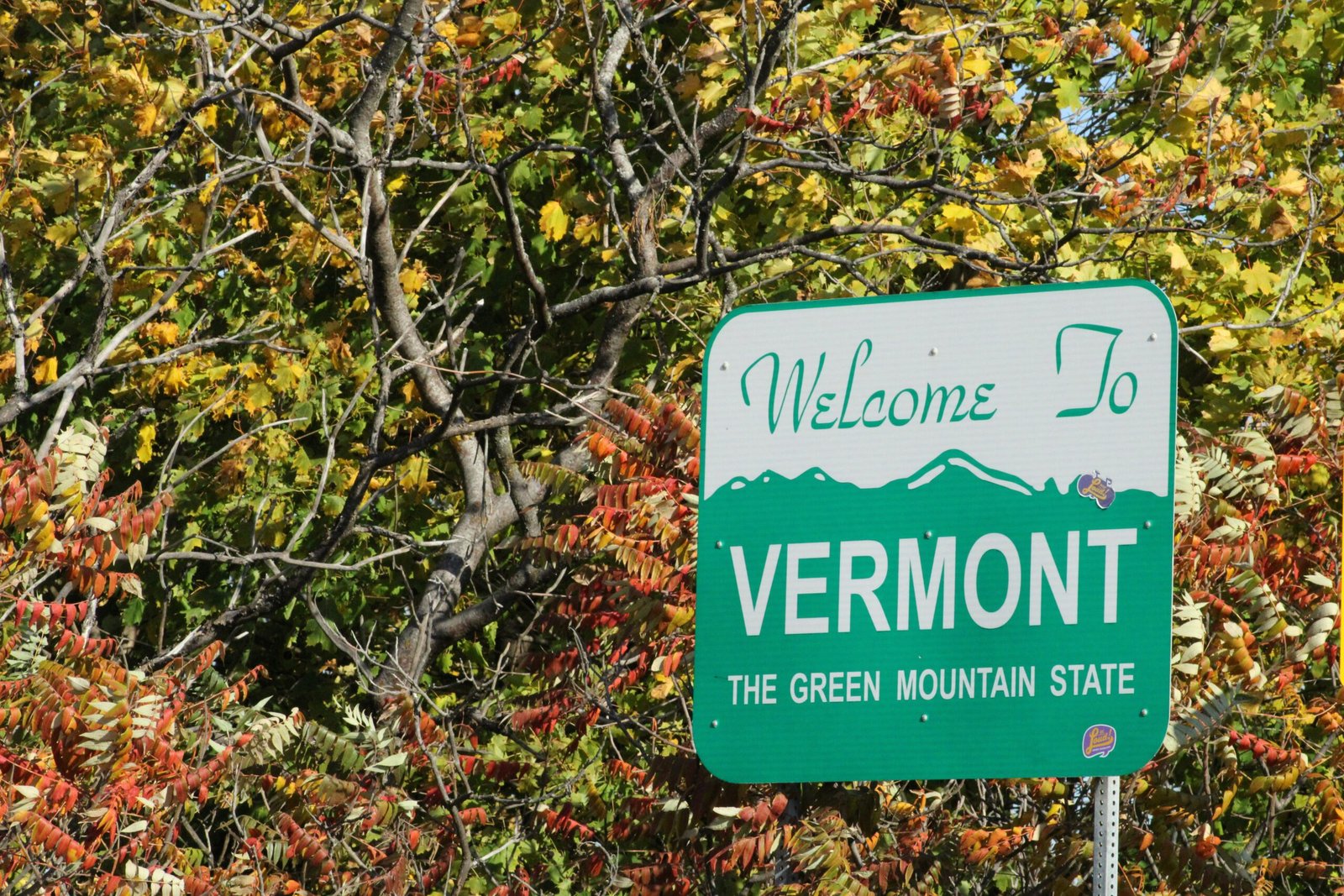
Vermont on Tuesday became the first U.S. state to ban the herbicide paraquat, backed by lawmakers who cited concerns about research showing the chemical could cause an incurable brain disease known as Parkinson’s disease.
After considering the bill for several days, Governor Phil Scott signed it on May 26. The bill would go into effect Nov. 1, but the new law includes a provision that would allow state regulators to issue special permits for the use of paraquat on orchards, berries and other crops until Dec. 31, 2030. The bill allows only “qualified exemptions” and “only in cases where less hazardous pesticides are not effective in addressing environmental or agricultural emergencies.”
The new law also requires annual data reporting on paraquat use in the state.
Ray Dorsey, a neurologist who leads research into environmental causes of brain disease at Atria Health Research Institute, said Vermont’s action is “another step in preventing this largely man-made disease.” He noted that many countries have banned paraquat and said, “It’s long overdue for the United States to do something similar.”
Some lawmakers expressed concern that a ban would hurt the competitiveness of Vermont farmers if the chemical is still allowed to be used in other states, and said more research is needed to fully prove the link between paraquat and Parkinson’s disease.
But some say the scientific research is well established and the risks of not banning the chemical are greater than the risks of leaving it on the market.
An earlier version of the law pointed to multiple studies by the National Institutes of Health (NIH) that demonstrated that exposure to paraquat significantly increases the risk of Parkinson’s disease in people exposed to the herbicide. Lawmakers also noted that other NIH studies have linked paraquat to non-Hodgkin’s lymphoma and childhood leukemia.
“There are many factors that suggest a correlation between paraquat use and Parkinson’s disease,” said State Representative Michel Boslan. May 13th House Committee Hearing If a majority of members vote in favor invoice. “We have to do something to phase this out. Our job is to support farmers and to support all Vermonters. I believe paraquat is harming both.”
“Our job is to support farmers and to support all Vermonters, and I believe paraquat is harming both.” – State Rep. Michelle Boslan
Vermont was the first state to pass a ban, but lawmakers in several states have introduced bills to ban paraquat, and several federal lawmakers are also seeking to ban the chemical.
Paraquat has been used in the United States since 1964 as a tool to kill broadleaf weeds and grasses. Although banned in other countries, it is one of the most widely used herbicides in the United States. Paraquat is used to grow soybeans, cotton, and corn, as well as grapes, pistachios, peanuts, and many other crops.
Chemicals are known to be extremely dangerous It cannot be used by people who have ingested even small amounts, and regulators have issued warnings and placed restrictions on its use due to the risk of addiction. However, whether it causes Parkinson’s disease is a matter of intense debate.
Syngenta, a major paraquat manufacturer for decades, insists there is no reliable evidence of a link between the disease and the herbicide. But nNumerous scientific studies have found that paraquat damages brain cells in a way that can cause Parkinson’s disease, and more than 8,000 lawsuits are pending in U.S. courts over Parkinson’s disease claims. The company has resolved several lawsuits before going to trial. negotiate to resolve Most of the ongoing cases. Trials are currently scheduled for late this year or early next year, but lawyers involved said they expected those cases to also be resolved out of court.
In April, the company stop making paraquat Additionally, although generic versions are available from other suppliers, we no longer intend to sell paraquat products in the United States or other countries.
“If there is a possibility that harm can be mitigated by taking this step, then I feel it is the responsible thing to do,” Boslan said during the committee hearing. “When I think about the people I know who have had Parkinson’s disease, we want to do everything we can to avoid it. If we can prevent all cases, that would be a blessing.”
The number of people suffering from Parkinson’s disease is has doubled in the past 25 years, According to the World Health Organization (WHO), the incidence is expected to continue to increase.
Symptoms of Parkinson’s disease develop when dopamine-producing neurons in the brain degenerate. The disease is progressive and leaves people unable to speak or move normally.
A treasure trove of internal company records dating back decades shows that Syngenta and its corporate predecessors have grappled with concerns about paraquat’s links to Parkinson’s disease and other chronic health problems for decades.
The New Lede, in collaboration with The Guardian, uncovered many of Syngenta’s internal files on paraquat. in 2022 and 2023. file The company has been shown to have employed a series of covert tactics to protect its sales of paraquat by concealing or downplaying research linking its chemicals to disease, discrediting and misleading independent research, and influencing regulatory decisions.
“The evidence linking paraquat exposure to an increased risk of Parkinson’s disease is strong and has been accumulating for decades,” said Dan Feehan, chief executive officer for policy and government affairs. Michael J. Fox Parkinson’s Disease Research Foundation (MJFF), the leading organization promoting the ban on paraquat.
“Other states should follow Vermont’s lead, and the federal government has a duty to protect all Americans with a nationwide paraquat ban.”
Featured image by Laura Mann on Unsplash.
-
Carrie Gillum is editor-in-chief of The New Lede and a veteran investigative journalist with more than 30 years of experience covering U.S. news, including 17 years (1998-2015) as a senior correspondent for Reuters International. She is the author of Whitewashing: A Story of Herbicides, Cancer, and the Corruption of Science, which exposed the agricultural corruption of the Monsanto corporation. The book won the coveted Rachel Carson Book Award from the Society of Environmental Journalists in 2018. Her second book, the narrative law thriller The Monsanto Documents, was released on March 2, 2021.
She also contributed chapters to a textbook on environmental journalism and a book on pesticide use in Africa.
Mr. Gillum testified about his research as an invited expert before the European Parliament in 2017 and was a featured speaker at the World Democracy Forum in Strasbourg, France in 2019. He has also been a keynote speaker and panel speaker at events and universities in North America, Australia, the Netherlands, Brussels, and France.
Gillam is a regular contributor to the Guardian. Her work has also appeared in The New York Times, Huffington Post, Time, and other outlets.
In 2022, Gillum helped launch The New Lede as a journalism initiative of the Environmental Working Group.
Gillum is a member of the Association of Environmental Journalists.
