

Close Menu

    Subscribe to Updates

    Get the latest creative news from FooBar about art, design and business.

    What's Hot

    NASA’s Psyche spacecraft uses Mars as a giant slingshot into a mysterious metal world

    May 26, 2026

    Eating more beans and soybeans may reduce your risk of high blood pressure by nearly 30%

    May 26, 2026

    How heat smart cities can protect outdoor recreation in a warming world

    May 26, 2026
    Facebook X (Twitter) Instagram
    Facebook X (Twitter) Instagram
    Health Magazine
    • Home
    • Environmental Health
    • Health Technology
    • Medical Research
    • Mental Health
    • Nutrition Science
    • Pharma
    • Public Health
    • Discover
      • Daily Health Tips
      • Financial Health & Stability
      • Holistic Health & Wellness
      • Mental Health
      • Nutrition & Dietary Trends
      • Professional & Personal Growth
    • Our Mission
    Health Magazine
    Home » News » Eating more beans and soybeans may reduce your risk of high blood pressure by nearly 30%
    Nutrition Science

    Eating more beans and soybeans may reduce your risk of high blood pressure by nearly 30%

    healthadminBy healthadminMay 26, 2026No Comments5 Mins Read
    Eating more beans and soybeans may reduce your risk of high blood pressure by nearly 30%
    Share
    Facebook Twitter Reddit Telegram Pinterest Email


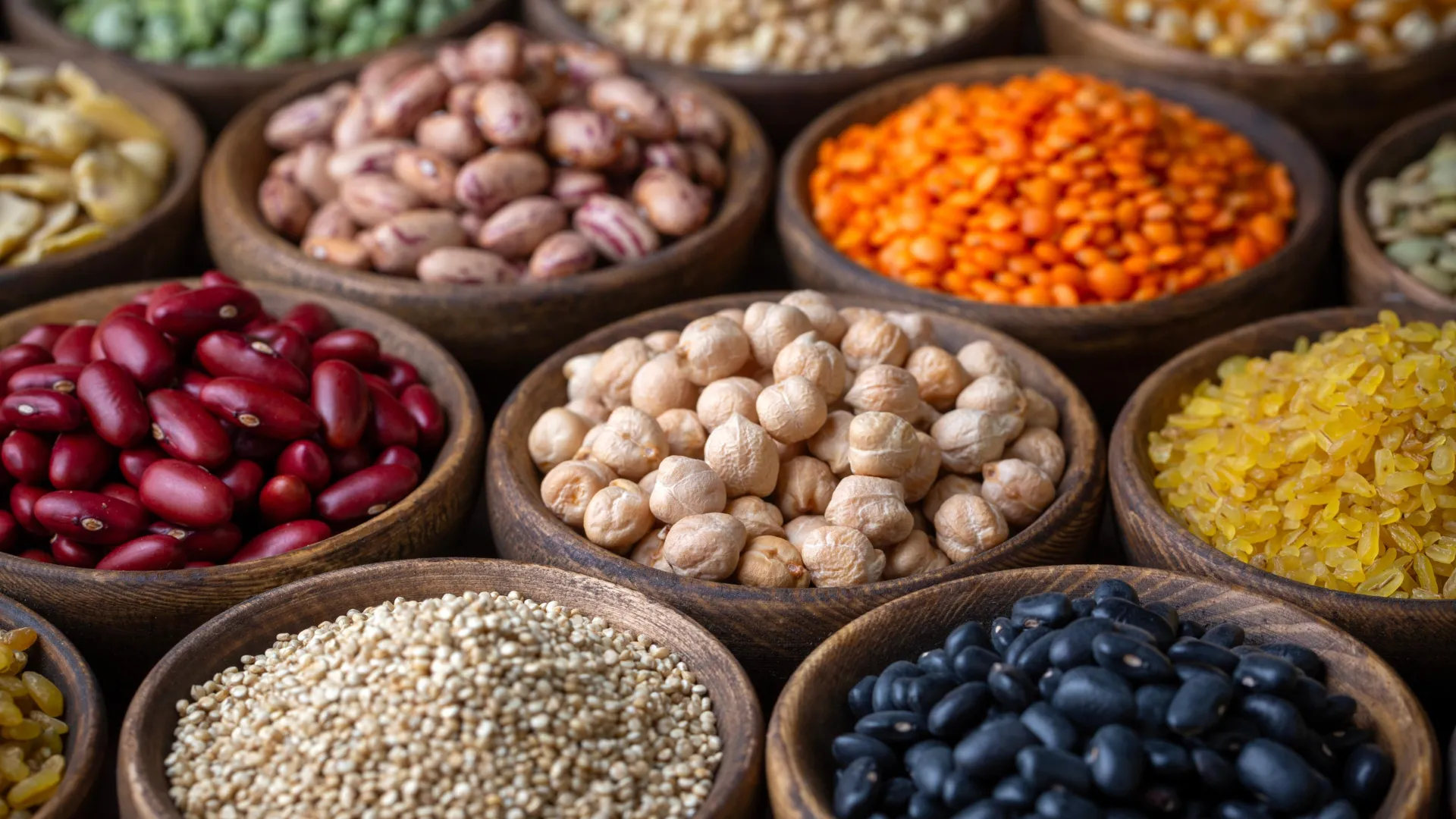
    Eating more legume and soy foods may lower your risk of developing high blood pressure, according to a large new analysis published in an open access journal. BMJ Nutrition Prevention and Health.

    Researchers have found that people who regularly consume foods such as beans, lentils, chickpeas, tofu, edamame, and soy milk are less likely to develop high blood pressure. The most effective results were found when consuming about 170 grams of legumes per day and 60 to 80 grams of soybean foods per day.

    Legumes include foods such as peas, lentils, chickpeas, and beans. Soy foods include tofu, soy milk, edamame, tempeh, and miso.

    A major review combining data from multiple countries

    Previous studies have linked legume and soy foods to improved overall heart health, but evidence linking them specifically to lower blood pressure is inconsistent. To better understand this relationship, researchers reviewed studies published through June 2025.

    This analysis included 10 published papers containing data from 12 longitudinal observational studies conducted in the United States, Europe, and Asia. Five studies were from the United States, five from Asian countries including China, Iran, South Korea and Japan, and two from Europe, particularly France and the United Kingdom.

    Nine studies included both men and women, while two focused on women only and one on men only. Study sizes ranged from 1,152 to 88,475 participants. Hypertension cases ranged from 144 to more than 35,000.

    The higher the intake, the lower the risk of high blood pressure.

    After pooling the data, researchers found a clear link between increasing intake of legumes and soy foods and lowering the likelihood of developing high blood pressure.

    Those who ate the most legumes were 16% less likely to develop high blood pressure than those who ate the least. For soy foods, the risk reduction amounted to 19%.

    The researchers also looked at how risk varied depending on intake. For legumes, the risk reduction effect steadily increased to about 170 grams per day, eventually reaching about 30%. For soy foods, most benefits occur between 60 and 80 grams per day, reducing risk by approximately 28% to 29%. Eating more soy above that level doesn’t seem to provide any additional benefits.

    According to researchers, 100 grams of legumes or soybeans is roughly equivalent to 1 cup or 5 to 6 tablespoons of cooked beans, peas, lentils, chickpeas, soybeans, or 1 palm-sized cup of tofu.

    Why legumes and soy improve blood pressure

    Using the World Cancer Research Fund’s evidence grading criteria, the researchers concluded that this evidence indicates a possible causal relationship between increased intake of legumes and soy foods and reduced risk of high blood pressure.

    They say there are several biologically plausible explanations for this finding. Legume and soy foods are rich in potassium, magnesium, and dietary fiber, and these nutrients are already known to support healthy blood pressure.

    The researchers also noted that recent studies suggest that soluble fiber in legumes and soybeans may be fermented in the intestines to produce short-chain fatty acids, compounds that may help relax and dilate blood vessels. Soy foods also contain isoflavones, which are plant compounds that may contribute to lower blood pressure levels.

    Researchers note study limitations

    The authors acknowledged several limitations in their analysis. The included studies varied in the types of legumes consumed, cooking methods, overall dietary patterns, and definitions of hypertension. Intake also varied widely between studies.

    “Despite these limitations, the results of this meta-analysis have important public health implications, given the alarming increase in hypertension prevalence worldwide,” the researchers wrote.

    The researchers also noted that average legume intake across Europe and the UK remains well below recommended levels.

    “Current legume consumption across Europe and the UK remains below dietary recommendations, with average intakes of just 8-15g per day, far below the recommended intake of 65-100g per day for overall cardiovascular health,” the researchers added.

    “While larger cohorts are needed for confirmation, these findings provide further evidence to support dietary recommendations for the public to prioritize legume and soy foods as healthy protein sources in their diets,” the researchers concluded.

    Experts say study results support evidence for plant-based diets

    Professor Sumantra Ray, co-owner and Principal Scientist and Executive Director of the NNEdPro Global Institute of Food, Nutrition and Health BMJ Nutrition Prevention and Healthsaid the findings add important support to research on plant-based diets and cardiovascular health.

    “This study strengthens the evidence base for the cardioprotective effects of plant-based diets. The authors significantly add to the rationale for using legumes and soy as a primary dietary strategy to reduce the global burden of hypertension,” he commented.

    He also highlighted that the study’s dose-response analysis helped identify practical intake targets that could be used in dietary guidelines and clinical care.

    At the same time, he cautioned that unmeasured factors may still be influencing the results, noting that the plateau in effects of more than 60 to 80 grams of soy per day requires further study.

    “However, the influence of unmeasured influential factors cannot be completely excluded, and the plateauing of soybean efficacy at 60–80 g/day warrants further investigation, as it remains unclear whether this reflects a true biological limit or is a byproduct of the small number of studies available for analysis.”


    Source link

    Visited 3 times, 3 visit(s) today
    Share. Facebook Twitter Pinterest LinkedIn Telegram Reddit Email
    Previous ArticleHow heat smart cities can protect outdoor recreation in a warming world
    Next Article NASA’s Psyche spacecraft uses Mars as a giant slingshot into a mysterious metal world
    healthadmin

    Related Posts

    NASA’s Psyche spacecraft uses Mars as a giant slingshot into a mysterious metal world

    May 26, 2026

    University of Southern California scientists discover hidden Alzheimer’s disease trigger and possible ways to block it

    May 26, 2026

    This prehistoric fish may explain how animals first walked on Earth

    May 25, 2026

    Insects from 100 million years ago had crab-like claws, unlike any known insects

    May 25, 2026

    Scientists discover why Ozempic and Wigobee’s weight loss eventually stalls

    May 25, 2026

    A common heart drug taken by millions of people turns out to be useless and possibly dangerous

    May 25, 2026
    Add A Comment
    Leave A Reply Cancel Reply

    Categories

    • Daily Health Tips
    • Discover
    • Environmental Health
    • Exercise & Fitness
    • Featured
    • Featured Videos
    • Financial Health & Stability
    • Fitness
    • Fitness Updates
    • Health
    • Health Technology
    • Healthy Aging
    • Healthy Living
    • Holistic Healing
    • Holistic Health & Wellness
    • Medical Research
    • Medical Research & Insights
    • Mental Health
    • Mental Wellness
    • Natural Remedies
    • New Workouts
    • Nutrition
    • Nutrition & Dietary Trends
    • Nutrition & Superfoods
    • Nutrition Science
    • Pharma
    • Preventive Healthcare
    • Professional & Personal Growth
    • Public Health
    • Public Health & Awareness
    • Selected
    • Sleep & Recovery
    • Top Programs
    • Weight Management
    • Workouts
    Popular Posts
    • 1773313737_bacteria_-_Sebastian_Kaulitzki_46826fb7971649bfaca04a9b4cef3309-620x480.jpgHow Sino Biological ProPure™ redefines ultra-low… March 12, 2026
    • pexels-david-bartus-442116The food industry needs to act now to cut greenhouse… January 2, 2022
    • the-pros-and-cons-of-paleo-dietsThe Pros and Cons of Paleo Diets: What Science Really Says April 16, 2025
    • 1773729862_TagImage-3347-458389964760995353448-620x480.jpgDespite safety concerns, parents underestimate the… March 17, 2026
    • 1773209206_futuristic_techno_design_on_background_of_supercomputer_data_center_-_Image_-_Timofeev_Vladimir_M1_4.jpegMulti-agent AI systems outperform single models… March 11, 2026
    • 1774403998_image_28620e4b6b0047f7ab9154b41d739db1-620x480.jpgGait pattern helps distinguish between Lewy body… March 24, 2026

    Demo
    Stay In Touch
    • Facebook
    • Twitter
    • Pinterest
    • Instagram
    • YouTube
    • Vimeo
    Don't Miss

    NASA’s Psyche spacecraft uses Mars as a giant slingshot into a mysterious metal world

    By healthadminMay 26, 2026

    NASA’s Psyche spacecraft successfully flew close to Mars by using the planet’s gravity to gain…

    Eating more beans and soybeans may reduce your risk of high blood pressure by nearly 30%

    May 26, 2026

    How heat smart cities can protect outdoor recreation in a warming world

    May 26, 2026

    University of Southern California scientists discover hidden Alzheimer’s disease trigger and possible ways to block it

    May 26, 2026

    Subscribe to Updates

    Get the latest creative news from SmartMag about art & design.

    HealthxMagazine
    HealthxMagazine

    At HealthX Magazine, we are dedicated to empowering entrepreneurs, doctors, chiropractors, healthcare professionals, personal trainers, executives, thought leaders, and anyone striving for optimal health.

    Our Picks

    University of Southern California scientists discover hidden Alzheimer’s disease trigger and possible ways to block it

    May 26, 2026

    Rattlesnakes show higher vulnerability to fungal and parasitic infections

    May 26, 2026

    Neural progenitor cell timing influences the formation of different brain layers

    May 26, 2026
    New Comments
      Facebook X (Twitter) Instagram Pinterest
      • Home
      • Privacy Policy
      • Our Mission
      © 2026 ThemeSphere. Designed by ThemeSphere.

      Type above and press Enter to search. Press Esc to cancel.