

Close Menu

    Subscribe to Updates

    Get the latest creative news from FooBar about art, design and business.

    What's Hot

    Increased BMI in young people is associated with changes in brain connectivity

    May 23, 2026

    Investigation reveals TikTok was distributing anti-Democratic videos disproportionately during the 2024 election

    May 22, 2026

    University of Ottawa study links heart attacks and brain damage

    May 22, 2026
    Facebook X (Twitter) Instagram
    Facebook X (Twitter) Instagram
    Health Magazine
    • Home
    • Environmental Health
    • Health Technology
    • Medical Research
    • Mental Health
    • Nutrition Science
    • Pharma
    • Public Health
    • Discover
      • Daily Health Tips
      • Financial Health & Stability
      • Holistic Health & Wellness
      • Mental Health
      • Nutrition & Dietary Trends
      • Professional & Personal Growth
    • Our Mission
    Health Magazine
    Home » News » University of Ottawa study links heart attacks and brain damage
    Discover

    University of Ottawa study links heart attacks and brain damage

    healthadminBy healthadminMay 22, 2026No Comments4 Mins Read
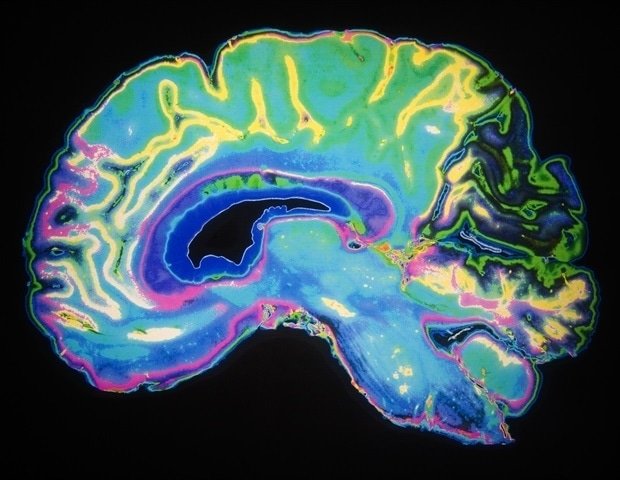
    University of Ottawa study links heart attacks and brain damage
    Share
    Facebook Twitter Reddit Telegram Pinterest Email


    A new study led by a team at the University of Ottawa takes a major step forward in understanding how heart attacks can dramatically alter brain function and cause neurological effects ranging from depression and anxiety to various types of cognitive decline.

    This “heart-brain axis” concept suggests that neurological conditions after a heart attack may be caused in part by molecular changes caused by damage to the heart. Although many factors and signaling pathways are involved in the heart-brain interaction, this newly published study suggests that toxic byproducts produced within the body play a major role in the brain after a heart attack.

    Brain inflammation after cardiac events

    At the heart of this discovery is methylglyoxal (MG), a highly reactive molecule that surges into the bloodstream and accumulates in the brain after a heart attack. After a heart attack, the body enters a state of stress. Oxygen decreases, inflammation increases, and metabolism changes. As a result, MG levels in the bloodstream spike and accumulate in specific areas of the brain associated with mood and cognition.

    The incidence of depression and anxiety in heart attack patients is up to three times higher than in the general population, and patients who suffer from depression and anxiety can be up to 2.7 times more likely to have another heart attack or die.

    Delineating new areas in the connection between the brain and mind

    The findings, published in the journal Advanced Sciences, could change recovery and long-term outcomes for millions of people as they reshape how scientists understand long-term risks after myocardial infarction and explain why emotional and cognitive impairments are so common after cardiac events.

    Methylglyoxal has been widely studied for its role in metabolic diseases, including diabetes, but little is known about its function in other diseases. In previous research, we found that methylglyoxal is produced by heart tissue that dies after a heart attack (…) Based on this evidence, we predicted that methylglyoxal in the blood would target other organs and tissues, including the brain, and this is what we actually observed. ”


    Dr. Eric Sulonen, senior author, full professor of surgery, faculty of medicine, scientist in the division of cardiac surgery, and director of the BeaTs research program at the University of Ottawa Heart Institute

    Moving from discovery to treatment

    The team’s findings raise important questions about neurodegenerative diseases, as chronic inflammation and cell damage in the brain are key factors in cognitive diseases such as dementia. By identifying methylglyoxal as a trigger, this study suggests a new pathway by which heart attacks may increase long-term neurological risks. Now that methylglyoxal has been identified as a potential target for the treatment of neurological disorders following a heart attack, the next step is to investigate how MG-induced inflammation causes neuronal death and mental health conditions.

    Importantly, the research team has already developed a peptide therapeutic that can trap methylglyoxal and prevent it from damaging cells. “This treatment will soon be tested to see if it can protect the brain from damage after a heart attack,” Dr. Slonen says. If successful, they believe such treatments will do more than protect brain function. It may reduce your risk of future cardiac events.

    “Given that heart attack patients who experience depression and anxiety have an increased risk of subsequent heart attack and death, reducing these symptoms could reduce subsequent serious cardiac events, improve the lives of countless patients, and meet an urgent unmet clinical need,” added Dr. Slonen.

    sauce:

    Reference magazines:

    Forward, R.et al. (2026). Methylglyoxal accumulation is associated with post-myocardial infarction brain inflammation with gender and regional differences. cutting edge science. DOI: 10.1002/advs.202522584. https://advanced.onlinelibrary.wiley.com/doi/10.1002/advs.202522584?af=R


    Source link

    Visited 3 times, 3 visit(s) today
    Share. Facebook Twitter Pinterest LinkedIn Telegram Reddit Email
    Previous ArticleTulane study explains why gut damage persists despite HIV treatment
    Next Article Investigation reveals TikTok was distributing anti-Democratic videos disproportionately during the 2024 election
    healthadmin

    Related Posts

    Tulane study explains why gut damage persists despite HIV treatment

    May 22, 2026

    Semaglutide helps patients who gained weight after bariatric surgery

    May 22, 2026

    NIH researchers discover how weight loss drugs change brain cells

    May 22, 2026

    Boston pediatricians develop new booster-free mRNA vaccine strategy

    May 22, 2026

    Cincinnati scientists grow larger intestinal organoids with self-developing nerve cells

    May 22, 2026

    New psychological scale measures individuals’ attitudes towards cosmetic procedures

    May 22, 2026
    Add A Comment
    Leave A Reply Cancel Reply

    Categories

    • Daily Health Tips
    • Discover
    • Environmental Health
    • Exercise & Fitness
    • Featured
    • Featured Videos
    • Financial Health & Stability
    • Fitness
    • Fitness Updates
    • Health
    • Health Technology
    • Healthy Aging
    • Healthy Living
    • Holistic Healing
    • Holistic Health & Wellness
    • Medical Research
    • Medical Research & Insights
    • Mental Health
    • Mental Wellness
    • Natural Remedies
    • New Workouts
    • Nutrition
    • Nutrition & Dietary Trends
    • Nutrition & Superfoods
    • Nutrition Science
    • Pharma
    • Preventive Healthcare
    • Professional & Personal Growth
    • Public Health
    • Public Health & Awareness
    • Selected
    • Sleep & Recovery
    • Top Programs
    • Weight Management
    • Workouts
    Popular Posts
    • 1773313737_bacteria_-_Sebastian_Kaulitzki_46826fb7971649bfaca04a9b4cef3309-620x480.jpgHow Sino Biological ProPure™ redefines ultra-low… March 12, 2026
    • the-pros-and-cons-of-paleo-dietsThe Pros and Cons of Paleo Diets: What Science Really Says April 16, 2025
    • pexels-david-bartus-442116The food industry needs to act now to cut greenhouse… January 2, 2022
    • 1773729862_TagImage-3347-458389964760995353448-620x480.jpgDespite safety concerns, parents underestimate the… March 17, 2026
    • 1773209206_futuristic_techno_design_on_background_of_supercomputer_data_center_-_Image_-_Timofeev_Vladimir_M1_4.jpegMulti-agent AI systems outperform single models… March 11, 2026
    • 1774403998_image_28620e4b6b0047f7ab9154b41d739db1-620x480.jpgGait pattern helps distinguish between Lewy body… March 24, 2026

    Demo
    Stay In Touch
    • Facebook
    • Twitter
    • Pinterest
    • Instagram
    • YouTube
    • Vimeo
    Don't Miss

    Increased BMI in young people is associated with changes in brain connectivity

    By healthadminMay 23, 2026

    Children and adolescents with high BMI show distinct differences in brain activity and the way…

    Investigation reveals TikTok was distributing anti-Democratic videos disproportionately during the 2024 election

    May 22, 2026

    University of Ottawa study links heart attacks and brain damage

    May 22, 2026

    Tulane study explains why gut damage persists despite HIV treatment

    May 22, 2026

    Subscribe to Updates

    Get the latest creative news from SmartMag about art & design.

    HealthxMagazine
    HealthxMagazine

    At HealthX Magazine, we are dedicated to empowering entrepreneurs, doctors, chiropractors, healthcare professionals, personal trainers, executives, thought leaders, and anyone striving for optimal health.

    Our Picks

    Tulane study explains why gut damage persists despite HIV treatment

    May 22, 2026

    Wildfire smoke linked to increase in pediatric mental health emergencies

    May 22, 2026

    Surprising study finds beef does not worsen blood sugar levels or diabetes risk

    May 22, 2026
    New Comments
      Facebook X (Twitter) Instagram Pinterest
      • Home
      • Privacy Policy
      • Our Mission
      © 2026 ThemeSphere. Designed by ThemeSphere.

      Type above and press Enter to search. Press Esc to cancel.