


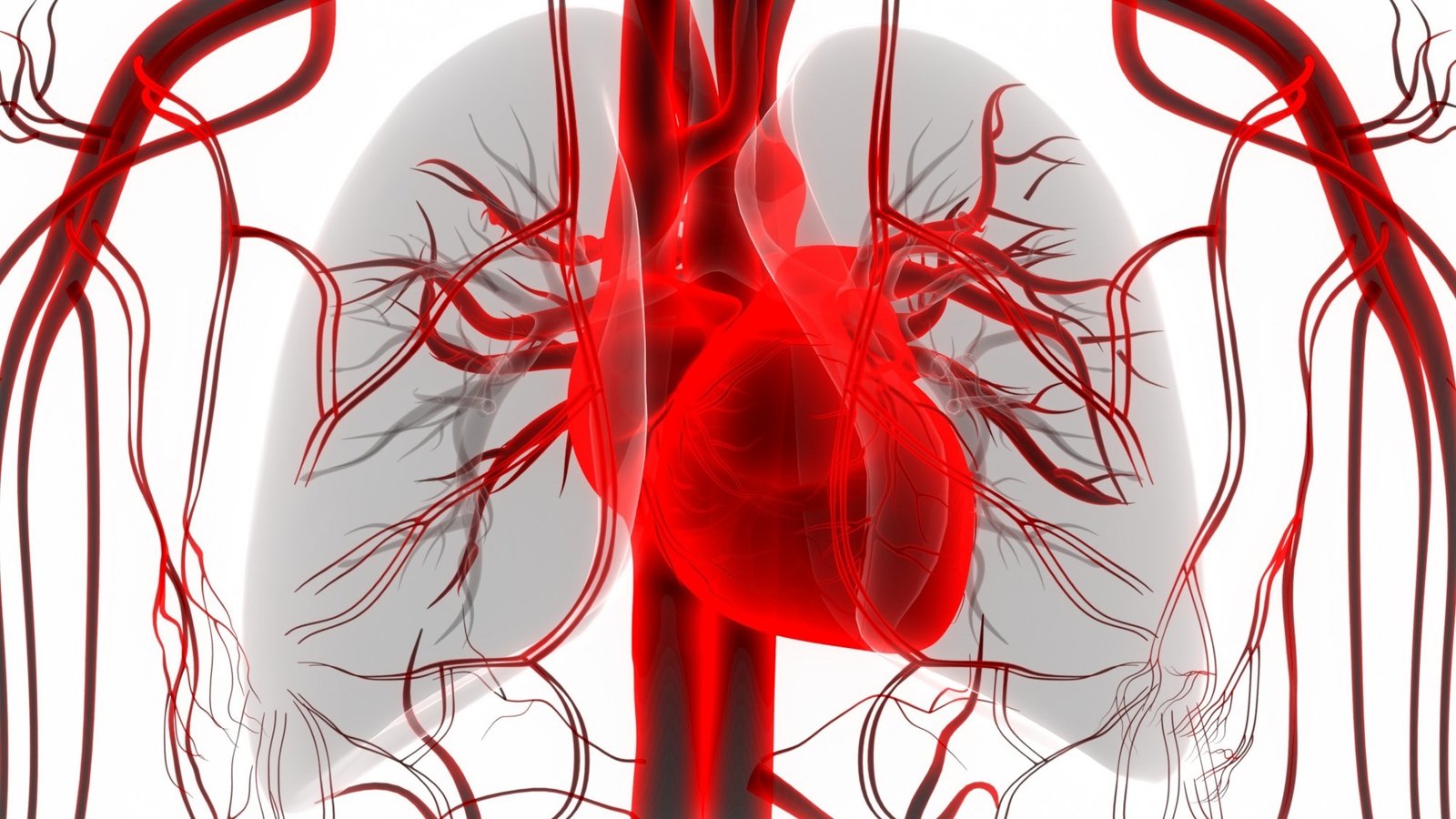
A structured diet helped elderly patients with persistent atrial fibrillation lose nearly 10% of their body weight, but the LOSE-AF trial found that leaner patients did not have fewer symptoms or better rhythm control.
Sclafani M, Spartella M, Esmati Y et al. Weight loss in elderly patients with persistent atrial fibrillation: the LOSE-AF randomized clinical trial. Image credit: Magic Mine / Shutterstock
In a recent article published in Japan Automobile Manufacturers Associationresearchers present and discuss results from the LOSE-AF trial, a randomized clinical trial designed to investigate whether a structured, low-calorie diet can safely reduce weight and improve the severity of atrial fibrillation (AF) symptoms in overweight or obese older adults.
Study results revealed that participants who adhered to an 8-month hypocaloric dietary intervention achieved moderate and sustained weight loss (9.7% vs. 3.1% in control group, P<0.001) with no evidence of decreased physical performance or serious adverse events related to the intervention, but no statistically significant improvement in Atrial Fibrillation Severity Scale (AFSS) symptom scores (P=0.43).
Furthermore, this analysis did not identify statistical differences in objective AF burden, biomarkers, or cardiovascular magnetic resonance (CMR) structural parameters, suggesting that although dietary adjustments may help reduce weight in older patients, these benefits do not directly translate into improvement in AF symptoms, rhythm control, AF burden, or cardiac remodeling over the 8-month intervention period.
background
Atrial fibrillation (AF) is a common arrhythmia in which the heart’s upper chambers, the atria, beat chaotically out of sync with the lower chambers, causing the heart to quiver instead of pumping blood efficiently. This condition is currently considered a major public health epidemic and is estimated to affect more than 50 million people worldwide.
Previous studies have demonstrated that excess body weight is a strong and modifiable risk factor for developing atrial fibrillation. Unfortunately, although weight loss guidelines are well supported by data from a younger cohort with a mean age <60 years, older patients, who are more typical of the general AF patient population, present distinct pathophysiological challenges. Existing evidence focuses primarily on young people, and uncertainty remains as to whether weight loss is beneficial in older people with established persistent atrial fibrillation.
However, in this population, the therapeutic risk-benefit ratio of severe caloric restriction remains largely untested.
About research
This study aimed to address this knowledge gap by evaluating the safety and efficacy of weight loss in an elderly cohort through a prospective, open-label clinical trial conducted at two hospitals in the United Kingdom. The study, named LOSE-AF, included patients scheduled for direct current cardioversion (DCCV) for persistent AF and ultimately randomized 118 eligible participants aged 60 to 85 with a body mass index of 27 or higher.
Eligible participants were similarly randomly divided into two parallel groups. Intervention group n = 59 individuals were assigned to an 8-month structured program consisting of commercial behavioral support utilizing a low-calorie diet and infant formula products and regular counseling. Control group n = 59 people were required to receive “usual care” consisting of one-time counseling by a nurse and written dietary advice.
Participant data collection “assessments” were conducted at baseline, 4 months, and 8 months, and the study’s primary efficacy endpoint was baseline-adjusted change in the AFSS symptom severity subscale.
Secondary endpoints for the study included quality of life, physical performance, atrial fibrillation burden, cardiac structure, blood pressure, lipid levels, and need for further atrial fibrillation treatment.
Research results
As expected, the structured diet in the intervention cohort was observed to induce a clear weight loss response. Specifically, at 8 months, the baseline adjusted mean weight of participants in the intervention cohort, 92.6 kg, was significantly lower than the 99.4 kg of participants in the control cohort, at -6.9 kg, and the estimated mean weight loss from baseline was 9.7% in the intervention group compared to 3.1% in the control group (P<0.001).
Of note, this weight loss did not correlate with functional decline, as there was no difference in physical performance between the two study groups. However, unexpectedly, participants’ weight loss did not statistically change AF-related clinical or cardiac indicators.
Study analysis did not detect differences in symptom severity. AFSS = 7.9 in the intervention group and 8.9 in the control group. P = 0.43, biomarkers or risk markers including arrhythmia burden, reverse remodeling or cardiac structure, systemic systolic blood pressure, total cholesterol, and high-sensitivity C-reactive protein (hsCRP) compared to before weight loss.
Finally, available follow-up data showed that although significant differences in body weight persisted between groups, long-term AFSS scores and repeat rates of cardioversion or catheter ablation remained statistically indistinguishable.
conclusion
The LOSE-AF trial shows that while a structured behavioral program and a low-calorie dietary program can promote safe and sustained weight loss in older adults without demonstrating a decline in physical performance, this intervention does not modify AF symptoms, arrhythmia burden, or underlying cardiac remodeling.
The authors conclude by hypothesizing that weight loss alone may not be sufficient to reverse established persistent atrial fibrillation in older adults, but that the effect may be different in younger patients, in those whose AF is less advanced, or in those whose weight loss is significant or prolonged.
Click here to download your PDF copy.
