


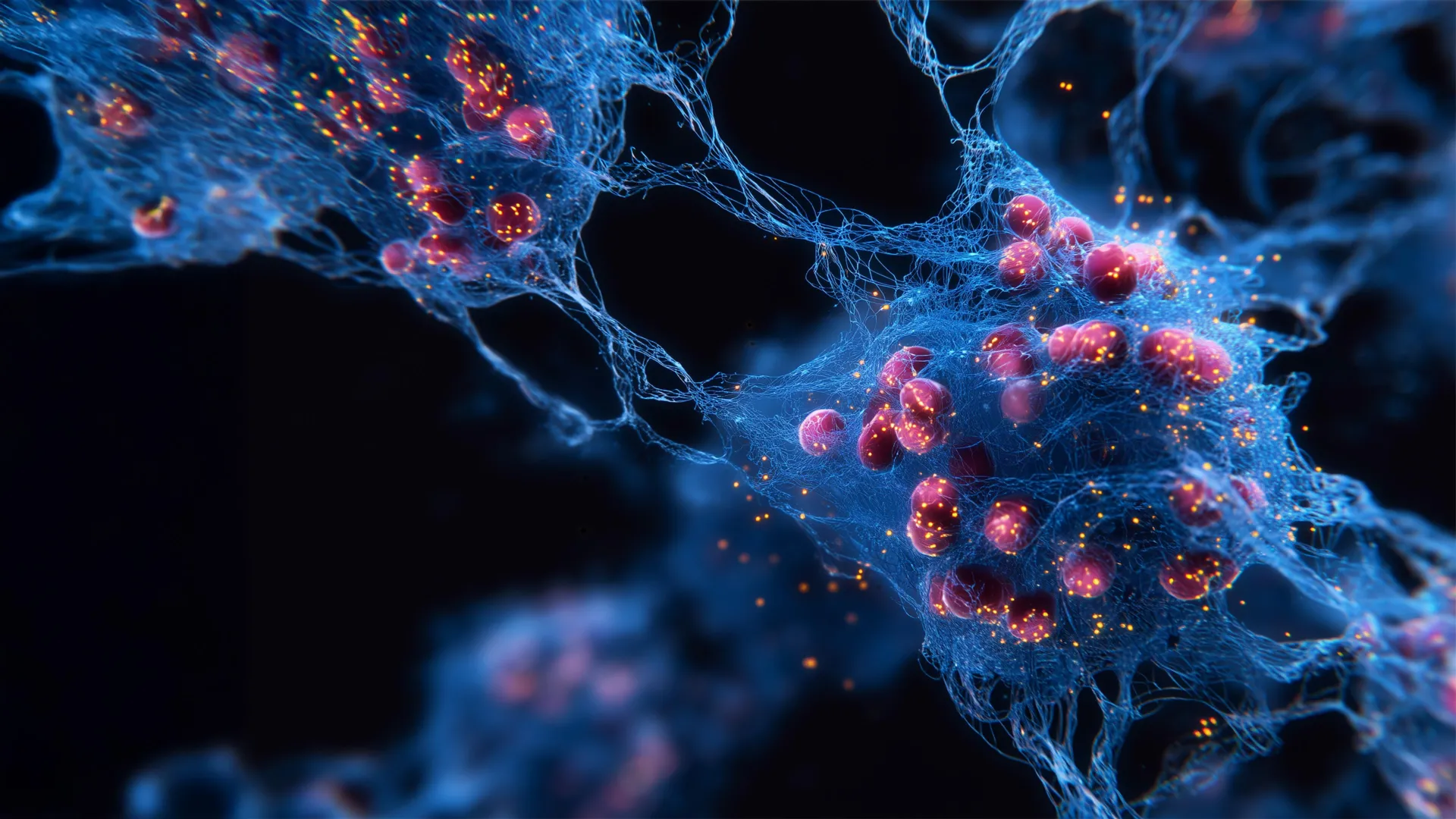
Aging research is entering a new phase as scientists rethink one of the body’s most mysterious cell types: senescent cells (often referred to as “zombie cells”). These senescent cells have long been thought to be a deleterious factor in inflammation and disease, but new findings suggest that the picture is much more complex. In some cases, senescent cells can actually help protect and repair the body.
New Review Published May 4, 2026, Volume 18 Aging-United States We investigate how cellular aging shapes the aging of the body as a whole, and explore the growing movement towards precision anti-aging therapies. The study, titled “Cellular Aging: From Pathogenic Mechanisms to Precise Anti-Aging Interventions,” was led by first author Jian Deng and corresponding author Dong Yang from the Department of Targeted Therapy and Immunology, Cancer Center, West China Hospital, Sichuan University, Chengdu, Sichuan Province, China.
How senescent cells affect aging
Senescent cells are cells that have permanently stopped dividing. Scientists have traditionally considered them harmful because they accumulate with age and release inflammatory molecules that can damage nearby tissues. These cells are thought to be associated with a wide range of age-related diseases and decline in organ function.
However, this review highlights growing evidence that senescent cells are not universally harmful. Some appear to serve important biological functions, such as supporting wound healing, maintaining tissue balance, and inducing embryonic development.
Researchers describe how aging progresses in many organs, including the liver, lungs, kidneys, heart, brain, skin, and adipose tissue. In each of these systems, factors such as oxidative stress, mitochondrial dysfunction, DNA damage, chronic inflammation, metabolic stress, telomere shortening, UV radiation, and environmental pollution can cause cells to age.
This review also describes the accumulation of senescent cells in many specialized cell types, including hepatocytes, endothelial cells, fibroblasts, macrophages, astrocytes, and epithelial cells. Accumulation of these cells can interfere with normal tissue structure and cause chronic disease.
Scientists discover that aging cells behave completely differently
One of the central conclusions of this review is that senescent cells are highly diverse and should not be treated as a single homogeneous population. Senescent cells can help or harm the body, depending on their location and how they interact with surrounding tissues.
While some senescent cells may limit fibrosis and aid in tissue repair, other senescent cells are thought to promote chronic inflammation, metabolic disorders, tissue degeneration, and even cancer progression. Because of this complexity, anti-aging researchers are increasingly moving away from strategies that seek to eliminate all senescent cells.
“Based on these insights, this review summarizes the induction mechanisms of cellular senescence and the subsequent evolution of functional phenotypes across diverse tissues.”
Instead, scientists are now investigating more selective approaches designed to target only harmful senescent cell populations while preserving beneficial senescent cell populations.
Precise anti-aging therapy
This review outlines several emerging anti-aging strategies aimed at more precisely controlling senescent cells.
Early senolytic drugs such as dasatinib, quercetin, and fisetin were developed to destroy senescent cells by disrupting the survival pathways that keep them alive. Modern treatments are becoming increasingly sophisticated.
Some researchers are currently investigating CAR-T cell immunotherapies that can recognize markers found on senescent cells and selectively remove them. Other approaches include “senescent” therapies that seek to reduce harmful inflammatory signals known as senescence-associated secretory phenotype (SASP) without killing the cells themselves.
The key concept discussed in this review is “Precision Jello Protection.” This strategy focuses on identifying and removing only maladaptive senescent cells while preserving cells that still contribute to tissue repair and stability.
Scientists believe that emerging technologies such as single-cell omics, lineage tracing, and spatial profiling may help reveal different subtypes of senescent cells and identify safer therapeutic targets.
Challenges facing anti-aging treatments
Despite growing excitement in the field, researchers warn that significant challenges remain before treatments targeting aging can be widely used in medicine.
One problem is the lack of highly specific biomarkers that can reliably distinguish between harmful and beneficial senescent cells. Researchers also face the challenge of delivering treatments precisely to targeted tissues while avoiding unintentional damage to healthy organs.
The review warns that widespread removal of senescent cells can interfere with tissue repair, immune surveillance, vascular stability, and structural integrity of sensitive organs such as the heart, lungs, and brain.
Additionally, scientists still do not fully understand how senescent cell populations change over time in different organs, making it difficult to predict the long-term effects of treatments.
A more personalized future of anti-aging research
Overall, this review presents a more nuanced understanding of cellular aging and senescence. Rather than viewing all senescent cells as dangerous, researchers increasingly believe that the future of anti-aging medicine may depend on distinguishing between harmful and beneficial cells.
The authors propose a more individualized approach centered on prevention, functional analysis, and precision intervention. As anti-aging science continues to evolve, these strategies may ultimately support healthier aging while reducing the risks associated with indiscriminate senescent cell removal.
