

Close Menu

    Subscribe to Updates

    Get the latest creative news from FooBar about art, design and business.

    What's Hot

    Current Gaps in Post-COVID Pandemic Readiness

    May 21, 2026

    MIT scientists discover amino acids that help the gut heal itself

    May 21, 2026

    Modern AI is often judged to be more human-like than actual humans in Turing Test experiments.

    May 21, 2026
    Facebook X (Twitter) Instagram
    Facebook X (Twitter) Instagram
    Health Magazine
    • Home
    • Environmental Health
    • Health Technology
    • Medical Research
    • Mental Health
    • Nutrition Science
    • Pharma
    • Public Health
    • Discover
      • Daily Health Tips
      • Financial Health & Stability
      • Holistic Health & Wellness
      • Mental Health
      • Nutrition & Dietary Trends
      • Professional & Personal Growth
    • Our Mission
    Health Magazine
    Home » News » MIT scientists discover amino acids that help the gut heal itself
    Nutrition Science

    MIT scientists discover amino acids that help the gut heal itself

    healthadminBy healthadminMay 21, 2026No Comments4 Mins Read
    MIT scientists discover amino acids that help the gut heal itself
    Share
    Facebook Twitter Reddit Telegram Pinterest Email


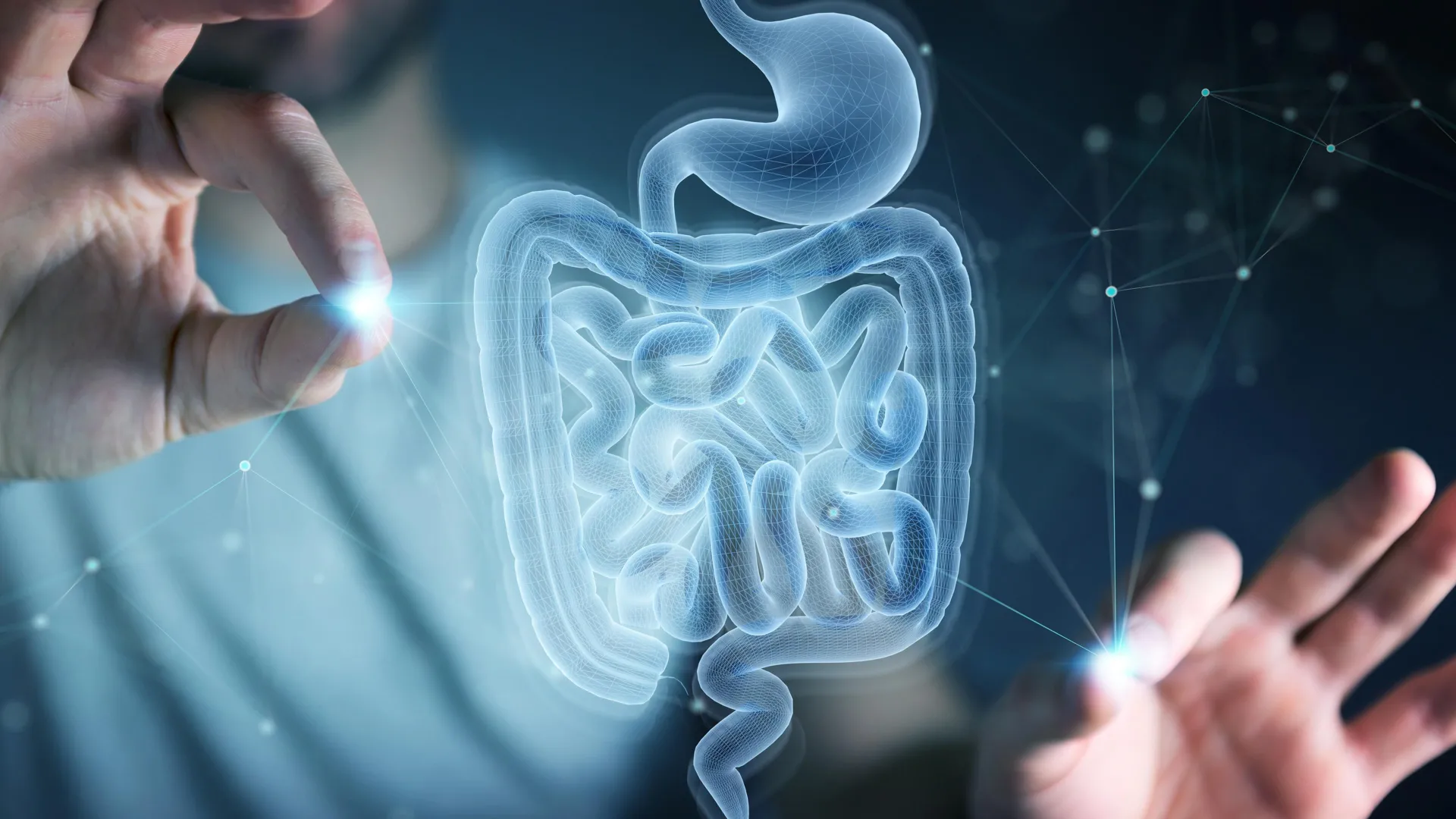
    MIT researchers have discovered that naturally occurring amino acids found in many protein-rich foods may help repair the intestine after injury. In a new study, scientists found that cysteine ​​can activate intestinal stem cells and activate an immune response that helps regenerate tissue in the small intestine.

    The findings, observed in mice, could ultimately lead to new ways to reduce intestinal damage caused by radiation therapy and chemotherapy. Researchers say diets and supplements rich in cysteine ​​could one day help cancer patients recover faster from treatment-related injuries.

    “This study suggests that if you give these patients a cysteine-rich diet or cysteine ​​supplementation, perhaps you can attenuate some of the damage caused by chemotherapy or radiation,” says Omar Yilmaz, director of the MIT Stem Cell Initiative, associate professor of biology at MIT, and member of the MIT Koch Institute for Integrative Cancer Research. “The great thing here is that we’re not using synthetic molecules. We’re using natural food compounds.”

    This study natureidentified for the first time a single nutrient that can directly promote intestinal stem cell regeneration. Previous research has shown that broader dietary patterns, such as fasting and calorie restriction, can influence stem cell activity, but scientists had not identified the specific nutrients involved in this type of repair response.

    How cysteine ​​activates intestinal repair

    Yilmaz and his team wanted to better understand how individual nutrients affect stem cell and tissue health. To investigate, the researchers fed mice a diet rich in one of the 20 amino acids that are the building blocks of proteins. They then measured how each amino acid affected intestinal stem cell regeneration.

    Of all the amino acids tested, cysteine ​​has the strongest regenerative effects on both stem and progenitor cells, which eventually mature into adult intestinal cells.

    Researchers later uncovered the biological chain reaction behind the effect. When intestinal cells absorb cysteine ​​from food, they convert it into a molecule called CoA. The molecules are then released into the intestinal lining, where they are absorbed by immune cells known as CD8 T cells.

    Once activated, these T cells begin to proliferate and produce IL-22, a signaling protein called a cytokine that plays a key role in intestinal repair and stem cell regeneration.

    Until now, scientists did not know that CD8 T cells could produce IL-22 in a way that supports intestinal stem cells.

    “What’s really interesting here is that feeding mice a cysteine-rich diet leads to an expansion of immune cell populations that are not normally associated with producing IL-22 or regulating intestinal stemness,” Yilmaz says. “A diet rich in cysteine ​​increases the pool of cells that make IL-22, particularly the CD8 T cell fraction.”

    Immune cells are geared towards rapid healing

    Researchers discovered that these activated T cells cluster in the lining of the small intestine, ideally positioned to respond quickly when injury occurs. The effects were primarily confined to the small intestine, as most dietary proteins are absorbed there.

    This study showed that mice fed a cysteine-rich diet had improved recovery from radiation-related intestinal damage. The researchers also report that in unpublished experiments, similar regenerative effects were seen after treatment with the chemotherapy drug 5-fluorouracil, which is commonly used against colon and pancreatic cancers but can damage the intestinal lining.

    Foods rich in cysteine

    Cysteine ​​is naturally found in many high-protein foods, including meat, dairy products, legumes, and nuts. The human body can also produce cysteine ​​on its own by converting another amino acid called methionine in the liver.

    However, researchers say that dietary cysteine ​​appears to have a stronger effect on the intestines because it reaches the intestines directly before being distributed throughout the body.

    “If you’re eating a diet high in cysteine, the first place you’ll see large amounts of cysteine ​​is in your intestines,” says Dr. Chee.

    Cysteine ​​has long been known for its antioxidant properties, but this is the first study to show that it can directly stimulate intestinal stem cell regeneration.

    Future research on regeneration

    The MIT team is currently investigating whether cysteine ​​may also support the regeneration of other tissues. One of our ongoing projects is investigating whether amino acids can stimulate hair follicle repair and regeneration.

    Researchers are also continuing to investigate the effects of other amino acids that have shown signs of affecting stem cell behavior.

    “We believe we will uncover multiple new mechanisms for how these amino acids regulate cell fate decisions and intestinal health in the small intestine and colon,” Yilmaz says.

    This research was supported in part by a Koch Institute Support (Core) grant from the National Institutes of Health, the V Foundation, the Kathy and Kurt Marble Cancer Research Award, the Koch Institute-Dana-Farber/Harvard Cancer Center Bridge Project, the American Federation for Research on Aging, the MIT Stem Cell Initiative, and the National Cancer Institute.


    Source link

    Visited 2 times, 2 visit(s) today
    Share. Facebook Twitter Pinterest LinkedIn Telegram Reddit Email
    Previous ArticleModern AI is often judged to be more human-like than actual humans in Turing Test experiments.
    Next Article Current Gaps in Post-COVID Pandemic Readiness
    healthadmin

    Related Posts

    Scientists discover strange ‘inside-out’ planetary system that shouldn’t exist

    May 21, 2026

    Scientists discover nutrients that can supercharge cellular energy

    May 21, 2026

    Jupiter’s lightning may be 100 times more powerful than Earth’s lightning

    May 21, 2026

    Scientists unravel the 320-million-year-old mystery of reptile bone armor

    May 21, 2026

    New quantum sensor can track dark matter by counting individual photons

    May 21, 2026

    UNESCO warns Mediterranean tsunami is inevitable

    May 21, 2026
    Add A Comment
    Leave A Reply Cancel Reply

    Categories

    • Daily Health Tips
    • Discover
    • Environmental Health
    • Exercise & Fitness
    • Featured
    • Featured Videos
    • Financial Health & Stability
    • Fitness
    • Fitness Updates
    • Health
    • Health Technology
    • Healthy Aging
    • Healthy Living
    • Holistic Healing
    • Holistic Health & Wellness
    • Medical Research
    • Medical Research & Insights
    • Mental Health
    • Mental Wellness
    • Natural Remedies
    • New Workouts
    • Nutrition
    • Nutrition & Dietary Trends
    • Nutrition & Superfoods
    • Nutrition Science
    • Pharma
    • Preventive Healthcare
    • Professional & Personal Growth
    • Public Health
    • Public Health & Awareness
    • Selected
    • Sleep & Recovery
    • Top Programs
    • Weight Management
    • Workouts
    Popular Posts
    • 1773313737_bacteria_-_Sebastian_Kaulitzki_46826fb7971649bfaca04a9b4cef3309-620x480.jpgHow Sino Biological ProPure™ redefines ultra-low… March 12, 2026
    • the-pros-and-cons-of-paleo-dietsThe Pros and Cons of Paleo Diets: What Science Really Says April 16, 2025
    • pexels-david-bartus-442116The food industry needs to act now to cut greenhouse… January 2, 2022
    • 1773729862_TagImage-3347-458389964760995353448-620x480.jpgDespite safety concerns, parents underestimate the… March 17, 2026
    • 1773209206_futuristic_techno_design_on_background_of_supercomputer_data_center_-_Image_-_Timofeev_Vladimir_M1_4.jpegMulti-agent AI systems outperform single models… March 11, 2026
    • 1774403998_image_28620e4b6b0047f7ab9154b41d739db1-620x480.jpgGait pattern helps distinguish between Lewy body… March 24, 2026

    Demo
    Stay In Touch
    • Facebook
    • Twitter
    • Pinterest
    • Instagram
    • YouTube
    • Vimeo
    Don't Miss

    Current Gaps in Post-COVID Pandemic Readiness

    By healthadminMay 21, 2026

    Six years after COVID-19, progress in global pandemic preparedness remains uneven with persistent gaps in surveillance, lab capacity, and equity.

    MIT scientists discover amino acids that help the gut heal itself

    May 21, 2026

    Modern AI is often judged to be more human-like than actual humans in Turing Test experiments.

    May 21, 2026

    MetroHealth leverages Artisight for smart hospital technology

    May 21, 2026

    Subscribe to Updates

    Get the latest creative news from SmartMag about art & design.

    HealthxMagazine
    HealthxMagazine

    At HealthX Magazine, we are dedicated to empowering entrepreneurs, doctors, chiropractors, healthcare professionals, personal trainers, executives, thought leaders, and anyone striving for optimal health.

    Our Picks

    MetroHealth leverages Artisight for smart hospital technology

    May 21, 2026

    Scientists discover strange ‘inside-out’ planetary system that shouldn’t exist

    May 21, 2026

    Duke University plans data center to increase ‘environmental responsibility and sustainability’

    May 21, 2026
    New Comments
      Facebook X (Twitter) Instagram Pinterest
      • Home
      • Privacy Policy
      • Our Mission
      © 2026 ThemeSphere. Designed by ThemeSphere.

      Type above and press Enter to search. Press Esc to cancel.