


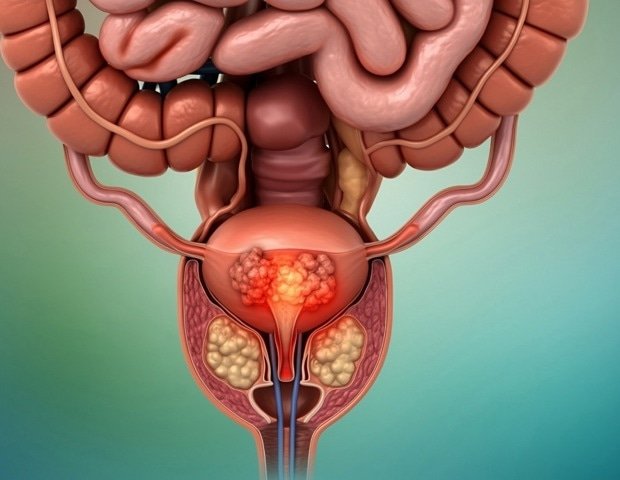
Researchers at the James P. Allison Institute™ at the University of Texas MD Anderson Cancer Center have discovered a new gene expression signature in tumors that helps identify patients with metastatic castration-resistant prostate cancer (mCRPC) who are more likely to experience durable benefits from combination immunotherapy treatment.
Results of the Phase 2 CheckMate 650 study; nature communicationsdemonstrate that an investigational combination of the immune checkpoint inhibitors ipilimumab and nivolumab achieved antitumor responses in a proportion of patients with chemotherapy-resistant disease. Using the unique capabilities of the Allison Institute’s immunotherapy platform, researchers discovered an immune signature associated with improved overall survival. This could help doctors identify who is most likely to benefit from this combination.
The study was led by principal investigator Padmani Sharma, MD, professor of genitourinary oncology and immunology, vice chancellor of immunobiology, and director of scientific programs at the Allison Institute.
These findings provide evidence that combination immunotherapy may benefit certain patients with treatment-resistant, advanced prostate cancer, a disease with high unmet medical need. This study strengthens the utility of our approach to better understand the tumor immune microenvironment to better identify patients who may benefit from immunotherapy. ”
Padmani Sharma, MD, Professor of Urological Oncology and Immunology, Vice President of Immunobiology, Director of Scientific Programs at Allison Institute
What are the main findings of this study?
The randomized portion of the trial enrolled 259 patients with mCRPC who had been resistant to previous chemotherapy. Participants were assigned to one of four treatment cohorts evaluating two dose variations of combination immunotherapy, ipilimumab alone, or standard-of-care chemotherapy. This study was not designed for comparisons between cohorts.
The immunotherapy cohorts achieved response rates of 9.3% and 19.5%, with three complete responses across the two cohorts. Some patients experienced significant responses, including significant tumor shrinkage, decreased prostate-specific antigen (PSA) levels, and increased overall survival.
Treatment-related adverse events of grade 3 or higher occurred in 18.4% to 34.7% of patients across the cohort. The most common side effects were diarrhea, enterocolitis, and hypophysitis. There were two treatment-related deaths during the study.
How can this new biomarker improve treatment for these patients?
To understand why some patients benefited most from this trial combination, researchers evaluated pre-treatment tissue samples from tumors with and without exceptional responses.
Using the Allison Institute’s immunotherapy platform, the researchers performed spatial profiling of these samples and identified specific clusters of immune cells that were present at high densities in patients with exceptional responses. Furthermore, we identified signatures that indicate high expression of specific genes within these niches.
By using these characteristics as biomarkers, researchers may be able to analyze tumors before treatment to determine whether a patient is likely to benefit from combination immunotherapy or whether alternative treatments should be considered.
Despite modest overall response rates, these results suggest that a subset of chemotherapy-resistant mCRPC patients may benefit from combination immunotherapy. The combination studied in this trial is still in the research phase and has not yet been approved by the Food and Drug Administration. Future studies will be required to confirm this biomarker and treatment approach in larger prospective cohorts.
sauce:
University of Texas MD Anderson Cancer Center
Reference magazines:
Sharma, P. Others. (2026). Combination of nivolumab and ipilimumab for chemotherapy-resistant metastatic castration-resistant prostate cancer: Results from the randomized portion of the phase 2 CheckMate 650 trial. nature communications. DOI: 10.1038/s41467-026-72242-w. https://www.nature.com/articles/s41467-026-72242-w
