


Cyclana Bio, a biotechnology company pioneering a tissue-level approach to women’s health, today announced that it has received Health Research Authority (HRA) and Research Ethics Committee (REC) approval for its 500-patient clinical observational study PEMP (Endometriosis Mechanisms and Population Prediction). The first patients to take part in the study are being recruited at Peterborough City Hospital, with Rosie Hospital in Cambridge also recently starting recruitment.
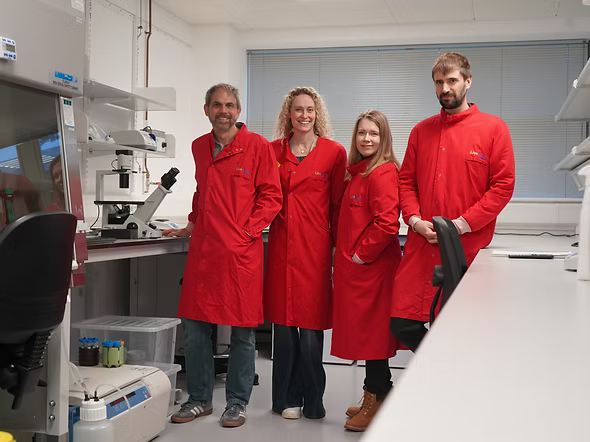
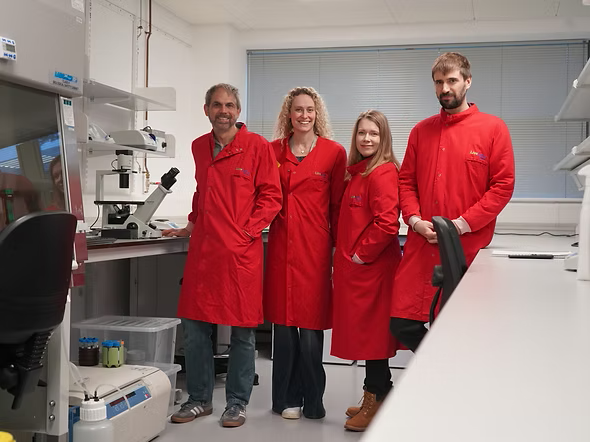
Professor Kevin Chalut, Dr. Leah Wenger, Dr. Cilia Solomon, and Dr. Tom Wyatt in Babraham’s lab. Image credit: Cyclana Bio
The PEMP study aims to improve our understanding of the disease physiology of endometriosis, which affects 1 in 10 women, but available treatments are limited due to a lack of available data and disease models. Cyclana Bio uses human data and cells collected from both biopsies and menstrual fluid provided by research participants to build something physiologically relevant. in vitro 3D model of disease. These models help reveal the fundamental biology and support the identification and prioritization of new druggable targets for therapeutic development. The company also aims to develop tools to better stratify patients based on clinical need and highlight differences in diseases beyond just endometriosis.
To better understand the mechanisms of this disease, Cyclana Bio compares tissue-level dynamics in healthy women to those with endometriosis. The involvement of the extracellular matrix (ECM) in disease development has previously been confirmed, and the data from this study may also reveal whether there is a common root cause mechanism for endometriosis for which a single treatment can be developed, or whether a personalized medicine approach is needed.
The study is being carried out by Cambridge University Hospitals NHS Foundation Trust and North West Anglia NHS Foundation Trust and is led by Principal Investigator M. Saikat Banerjee from Rosie Hospital, together with Principal Investigator M. Lukasz Polanski from the Peterborough City Hospital site and Investigator Dr Norman Shreve from the Cambridge site.
“Our ultimate goal is to better serve the millions of women suffering from debilitating diseases and address their needs to develop life-changing treatments. We are excited about the pace and flexibility that is possible by conducting deep scientific research within a startup model. We hope this will lead to better solutions faster. The approval of HRA and the recruitment of the first patient in the PEMP trial are important milestones in our journey towards this goal. We would like to thank the research staff at both institutions for this setup.” said Dr. Leah Wenger, CEO and co-founder of Cyclana Bio. “Our tissue-first methodology represents a promising alternative approach in drug discovery, allowing us to uncover underlying mechanisms that are shared across patients, bridging the gap with drug discovery programs focused on intracellular mechanisms that have failed to yield optimal treatments.”
Endometriosis is a sadly common disease, but little is known about it, resulting in women suffering even longer and treatments remaining out of reach. Using the latest tools in molecular phenotyping and genomics, and in collaboration with Cyclana Bio, we are focused on solving this problem through this observational study. ”
M. Saikat Banerjee, Principal Investigator, Rosie Hospital, Cambridge
M. Lukasz Polanski, lead researcher at Peterborough City Hospital, added: “Enrollment of the first participant is a key milestone in this important clinical study that will help uncover the causative mechanisms of endometriosis. Endometriosis is a disease in desperate need of a deeper understanding to direct drug development research and help the millions of women battling this progressive disease that can affect every stage of life.”
The 500-patient study is being funded by Cyclana Bio’s £5m pre-seed funding round, which closed last year. The company plans to use future funding to recruit additional research facilities and expand its overall tissue-based methodology to other undertreated chronic inflammatory indications with similar tissue-level mechanisms.
