


Health tech founders face mounting challenges in scaling remote care amid complex regulatory pressure and poor device interoperability. Connecting wearable sensors to existing clinical systems often triggers integration failures, extended FDA reviews, and elevated compliance expenses. Reports on AI in healthcare 2026 note that edge AI offers promising low-latency solutions for continuous monitoring, but data silos continue to block seamless adoption across healthcare IT platforms. These hurdles limit innovation speed for medical device engineers targeting decentralized testing models.
Understanding health technology trends 2026 allows leaders to forecast needs in telemedicine innovations and prepare robust strategies. Health technology trends 2026 guide the creation of interoperable, secure architectures that reduce time to market. This preparation empowers teams to deliver effective AI diagnostics future applications while satisfying privacy rules. Founders achieve faster funding and better product traction. Healthcare IT professionals implement hybrid care models that improve patient outcomes and operational efficiency.
Wearable Tech & Edge AI: Quick Wins in Remote Monitoring
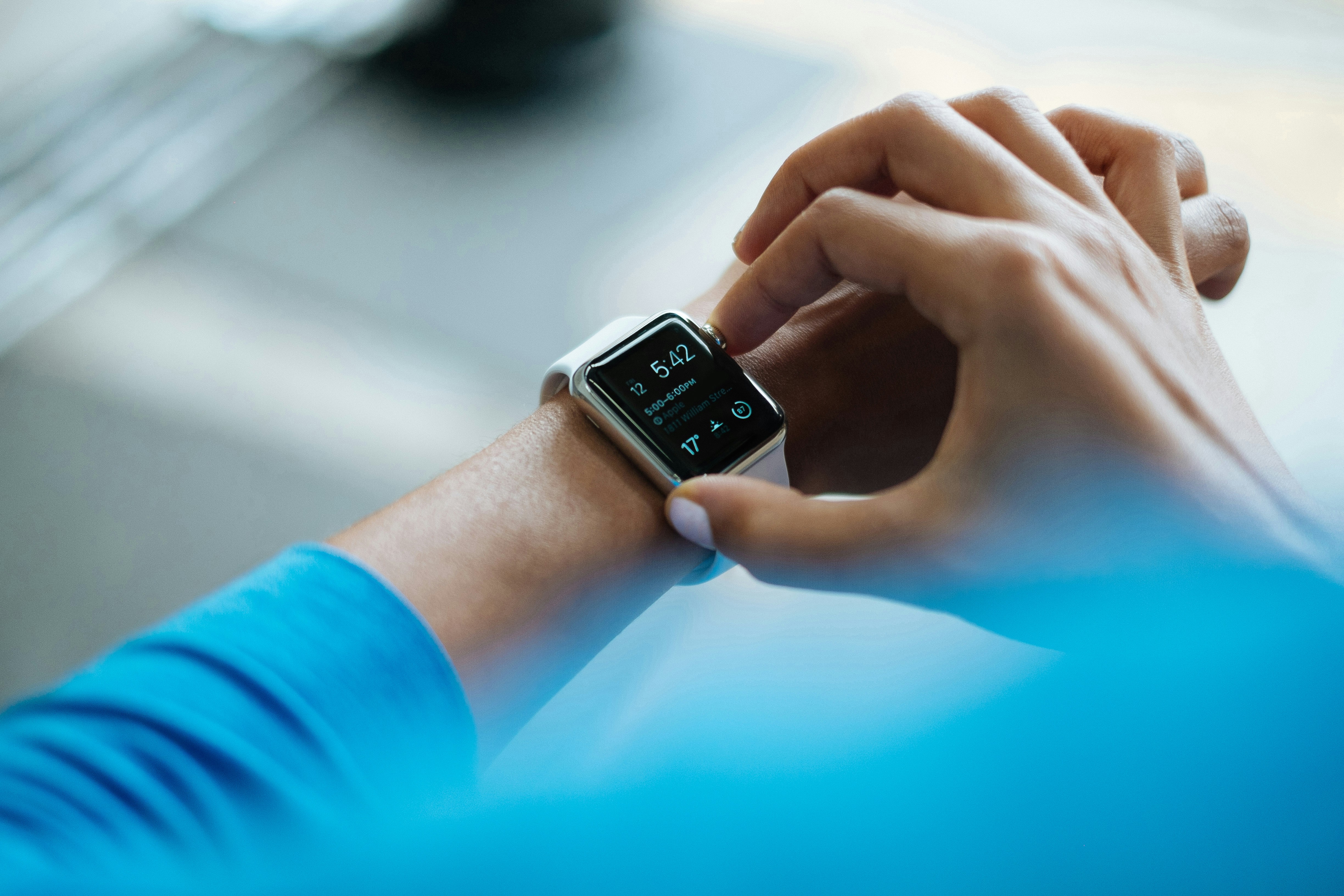
Consumer-grade sensors paired with on-device AI deliver immediate alerts for arrhythmias and glucose level changes. Processing happens locally on the device, resulting in latency under 100 milliseconds and strong privacy since data does not leave the wearable. Medical device engineers can embed compact anomaly detection algorithms that identify atrial fibrillation or hypoglycemic events in real time without relying on network connectivity. Health tech founders use this capability to prototype remote monitoring apps quickly and meet market demands outlined in health technology trends 2026.
Real-time alerts notify both patients and providers via integrated platforms, enabling faster interventions for chronic conditions like diabetes and heart disease. Privacy gains come from minimizing data transmission, aligning with solutions discussed in technical literature on wearable AI integration. These features simplify connections to telemedicine innovations and support hybrid care models that reduce hospital visits. Healthcare IT professionals appreciate the lower bandwidth requirements that ease system integration across various electronic health record environments.
Accuracy tests confirm reliable performance against patient-specific baselines that adapt continuously. Reduced infrastructure needs lower overall costs and accelerate development cycles. Health technology trends 2026 identify wearable tech and edge AI as quick entry points into scalable digital health solutions. Teams achieve early validation and build stronger roadmaps.
Implementation Steps and Common Pitfalls to Avoid
Medical device engineers start with strong data governance by defining clear access controls and audit trails for all sensor streams. Next, map the product to the correct FDA pathway early and run pre-submission meetings to align on intended use and clinical evidence needs. Build automated integration testing suites that verify data flows between wearables, edge processors, and EHR systems before full deployment. These steps align with health technology trends 2026 that stress interoperability and compliance from day one.
Common pitfalls include skipping bias testing in AI models, which triggers regulatory holds, and neglecting end-to-end encryption during remote monitoring. Many teams overload cloud pipelines instead of leveraging edge AI, causing latency and privacy complaints. Ignoring post-market surveillance planning leads to costly recalls. Health technology trends 2026 highlight that projects succeed when governance and testing receive equal priority to feature development. Avoid underestimating cybersecurity requirements in telemedicine innovations to prevent data breaches that derail adoption.
Next Steps for Health Technology Leaders
Health technology leaders should audit existing wearable deployments and edge AI capabilities against health technology trends 2026. Update data governance frameworks and schedule FDA pre-submission meetings for planned AI diagnostics future releases. Assess platform interoperability with key telemedicine innovations to support expanding hospital-at-home programs. Answer these questions to prioritize the 2026 roadmap: does the solution deliver sub-second edge alerts without cloud dependency? Are bias testing and encryption protocols documented for regulatory review? Which digital health predictions match your current funding runway and market focus? Teams that complete this checklist cut development delays and improve product readiness.
Sources
- https://dashtechinc.com/blog/7-breakthroughs-shaping-the-future-of-ai-in-healthcare-for-2026/
- https://www.alation.com/blog/ai-healthcare-breakthroughs-2025-innovations/
- https://talencio.com/navigating-2026-the-top-10-health-technology-trends-every-leader-should-watch/
- https://blog.sekisuidiagnostics.com/dxdialogue/top-5-trends-clinical-diagnostics-2026
- https://www.makebot.ai/blog-en/key-healthcare-ai-trends-shaping-innovation-in-2026
- https://www.sermo.com/resources/future-of-telemedicine/
- https://diagnostics.roche.com/global/en/healthcare-transformers/article/top-telehealth-trends.html
- https://www.groovyweb.co/blog/healthcare-startup-ideas-ai-2026
- https://link.springer.com/article/10.1186/s13677-025-00759-4
- https://www.cbinsights.com/research/report/digitalhealth-predictions-2026/
