


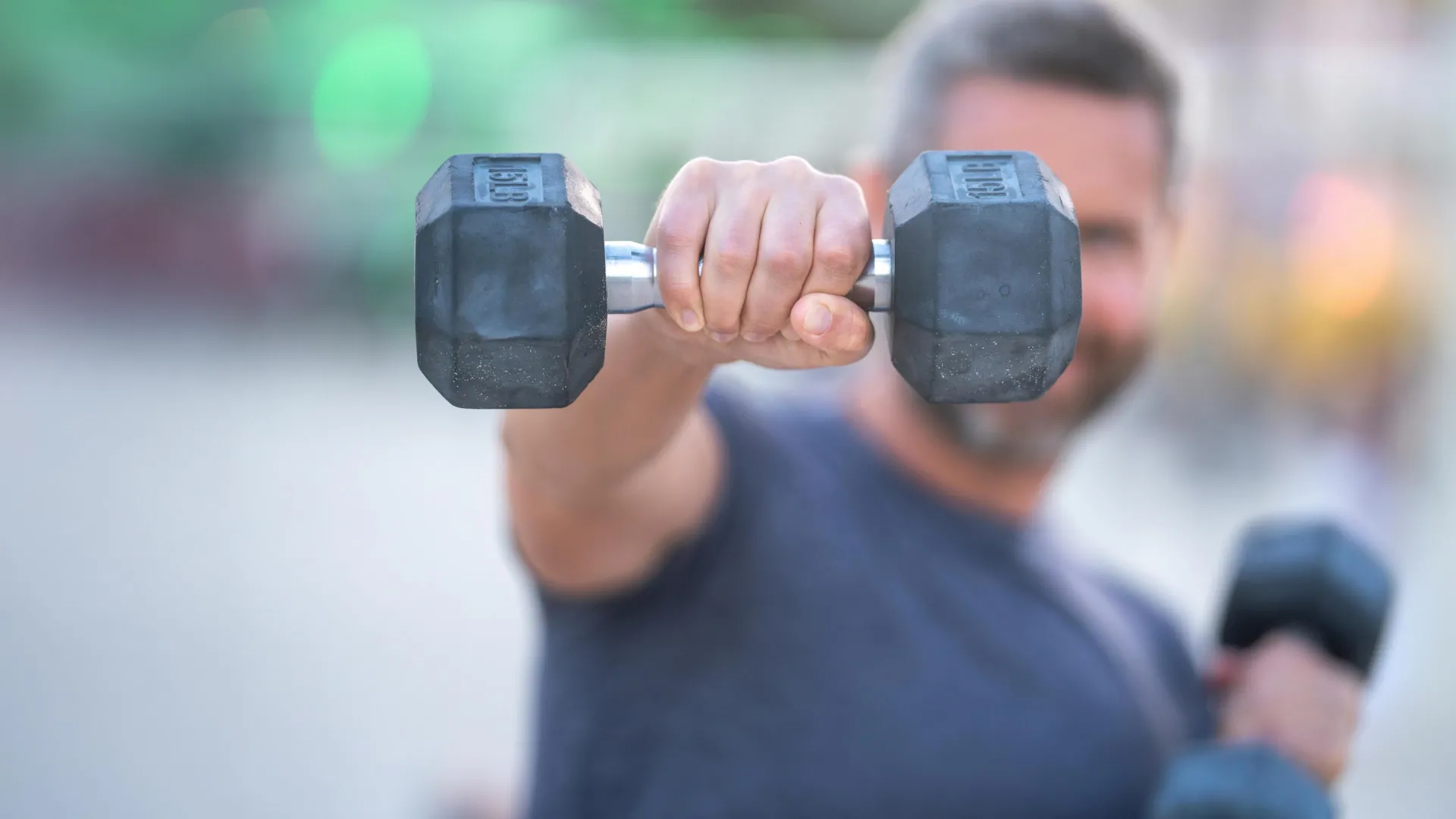
A large-scale Swedish study that followed people for nearly 50 years has revealed some surprising realities about aging and physical performance. Researchers have found that physical strength, muscle strength, and muscular endurance begin to decline around age 35. But the findings also carry an encouraging message: Even if you become active later in life, you can still significantly improve your physical performance.
The study was conducted at Karolinska Institutet as part of the Swedish Study on Physical Activity and Fitness (SPAF). Scientists followed hundreds of randomly selected men and women in Sweden between the ages of 16 and 63 and repeatedly measured their health and muscle strength over a 47-year period.
The study was published in the Journal of Cachexia, Sarcopenia and Muscle.
Rare long-term fitness data
Most previous studies on aging and physical performance were based on cross-sectional comparisons between different age groups. In contrast, the SPAF project tested the same individuals repeatedly over decades, making it one of the few long-term studies of its kind.
By following the same participants over time, researchers were able to build a clearer picture of how their bodies change through adulthood and aging.
Physical decline begins around the age of 35.
The results showed that physical performance begins to decline as early as age 35, even among people with different training histories. After that, the decline continues gradually and becomes more pronounced with increasing age.
The researchers looked at changes in fitness, strength, and endurance, all of which followed a similar downward trend over time.
Still, the study also found significant evidence that exercise is still highly beneficial at any age. Participants who became physically active in adulthood improved their physical performance by 5 to 10 percent.
Exercise still makes a difference
“It’s never too late to start moving. Our research shows that physical activity can slow the decline in performance, even if it can’t stop it completely. From now on, we’ll explore why everyone should be at peak performance at age 35. “We will explore the mechanisms behind this and why physical activity can slow, but not completely stop, the decline in performance,” says Maria Westerstahl, lecturer in the Department of Laboratory Medicine and lead author of the study.
Researchers plan to continue tracking participants as they age. Participants will be tested again next year when they reach the age of 68.
Scientists hope that their ongoing research will help uncover how lifestyle habits, overall health, and biological processes influence changes in physical performance over the lifespan.
