


New research published in journal neuron This provides evidence that the brain stores competing memories about alcohol use and recovery in different networks of the same type of brain cells. This study suggests that memories that encourage a return to drinking and memories that inhibit it exist side by side, competing to control a person’s behavior. These findings provide a nuanced understanding of how addiction persists and suggest potential new ways to improve the treatment of alcohol use disorders.
Addiction occurs when an addictive substance hijacks normal learning processes, leading to the formation of powerful memories that associate certain behaviors or environments with the drug. Behavioral treatments such as extinction training attempt to reduce the urge to seek alcohol by repeatedly exposing the individual to drug-related cues without providing a reward for alcohol. However, the clinical effectiveness of these treatments tends to be limited because scientists do not fully understand the physical cellular structures that hold these conflicting memories.
“Relapse is one of the most difficult challenges of alcohol use disorder, even after long-term abstinence and treatment,” said Jun Wang, professor in the Department of Neuroscience and Experimental Therapies at the Texas A&M University Health Science Center School of Medicine. “Alcohol-related cues and contexts can trigger powerful memories that prompt new alcohol-seeking. We wanted to understand where relapse-related memories are stored in the brain and how extinction training reduces alcohol-seeking behavior by erasing the original alcohol memory or creating competing memories that suppress relapse.”
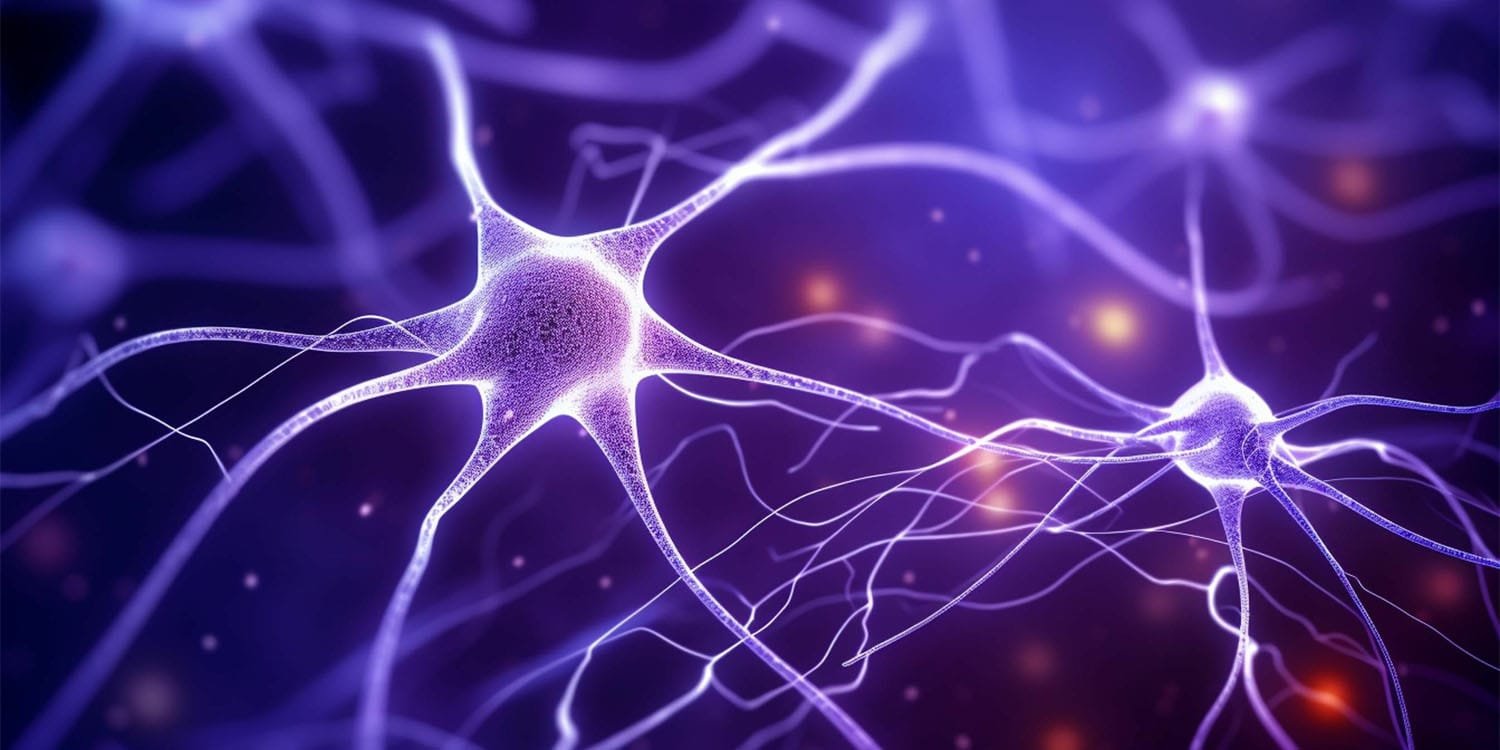
Memories are thought to be physically stored in the brain through specific groups of cells called engrams. Engrams are physical changes in the brain that represent memories. It consists of a specific network of brain cells that activate together when an experience occurs, and when the brain recalls that memory, the same group of cells activates again. Previous research on engrams has focused primarily on fear learning in other parts of the brain, so little is known about engrams that store habits and voluntary behaviors associated with addictive substances.
The researchers designed the study to test whether memories of alcohol use and extinction are stored in separate regions or within the same cell population. They focused on a brain region called the dorsomedial striatum, which helps control goal-directed behavior. Within this region, they examined a particular type of cell known as a direct pathway medium spiny neuron.
“We were surprised to discover that these conflicting memories are encoded within the same genetically defined cell type, the direct pathway medium spiny neurons, rather than simply being separated by different neuron types,” Wang said. “Traditionally, many models have emphasized broad distinctions between direct and indirect pathway neurons, but our findings show that even within one cell type, different neuron assemblies can have very different and even opposing behavioral functions.”
Scientists conducted a series of experiments using genetically modified mice. They placed the mouse in a special test box with a lever and light. The mice learned that pressing the active lever three times would release a small amount of a 20 percent alcohol solution accompanied by a specific sound and a yellow light. After several weeks of this training, the mice underwent nine days of extinction training, during which they no longer received alcohol or cues when they pressed the lever.
To track the memory cells, the researchers used a special genetic tagging technique. They injected a drug that could permanently mark specific brain cells that were active during initial alcohol learning or subsequent extinction training. Following the training phase, the researchers tested groups of four to seven mice to see which memory cells were reactivated during simulated relapse events.
They found that when mice experienced alcohol-related cues, brain cells that were tagged during initial alcohol learning were highly reactivated. Cells tagged during extinction training were not reactivated during this simulated relapse. This provides evidence that alcohol use and extinction training recruit different sets of the same type of brain cells.
The researchers then investigated where these specific cell groups were located within the dorsomedial striatum. This brain region is divided into two distinct areas: the matrix, which generally promotes behavior, and the striosome, which generally inhibits behavior. By analyzing brain tissue samples, scientists discovered that cells associated with extinction memory are clustered in striosome regions. These extinction-related cells strongly inhibited dopamine-producing neurons that help suppress the urge to seek alcohol. In contrast, cells associated with alcohol use were widely distributed throughout the matrix and promoted reward-seeking behavior.
To test whether these different cell groups actively control behavior, the researchers used a technique that allows them to turn specific neurons on or off using custom-made chemicals. They injected viral vectors into the brains of mice, safely delivering genetic instructions that caused tagged memory cells to produce specialized receptors. The researchers then injected chemicals that bind to these receptors, turning the cells on or off.
In tests on groups of 7 to 16 mice, the authors found that they were able to suppress pseudo-relapse by switching off alcohol learning cells. Activating extinction learning cells also reduced the animals’ attempts to seek alcohol. Scientists repeated these tests using sucrose instead of alcohol, but found no effect. This suggests that these particular memory cells are specific to alcohol and do not generalize to natural rewards.
The authors also wanted to understand exactly how the brain physicalizes memories of alcohol use. Learning changes the brain by strengthening synapses, the connections between different brain cells. The researchers focused on connections coming from the medial prefrontal cortex, a brain region involved in complex decision-making. By acquiring electrical recordings from dozens of individual neurons in multiple mice, they found that alcohol use caused long-term strengthening of synapses connecting the medial prefrontal cortex and specific cells involved in alcohol learning.
To see if this enhanced connection was an actual memory, the scientists used a technique that controlled brain cells with light. They introduced the light-sensitive protein into the brain cells of new groups of mice, 7 to 11 per group, who had never consumed alcohol. By beaming specific wavelengths of light into the brain through tiny optical fibers, scientists forced neurons to fire and artificially strengthened their connections.
This artificial stimulus was combined with specific lights and sounds in the test chamber. The researchers then played the light and sound again, and the mice began pressing the lever as if they were seeking alcohol. This suggests that the researchers were able to create an artificial memory of alcohol relapse simply by strengthening specific connections in the brain. The authors also replicated these behavioral results in a small group of rats to ensure that the results were not specific to mice.
“One important aspect of our study was that we were able to identify not only the neurons involved in alcohol relapse and extinction, but also the synaptic mechanisms that help preserve memories associated with relapse,” Wang said. “Specifically, we found that transmission from the medial prefrontal cortex to striatal neurons was enhanced after alcohol self-administration, and experimentally mimicking this enhancement was sufficient to induce relapse-like behavior. This provides evidence that alcohol-related memories can be physically embedded in specific brain connections.”
“The main point is that the learning associated with relapse and recovery is not just an abstract psychological process, but is represented by specific groups of neurons in the brain,” Professor Wang explained. “We found that two opposing alcohol-related memories, one that promotes relapse and one that inhibits alcohol seeking after extinction, may be encoded within the same broad type of striatal neurons. This suggests that recovery may not only depend on weakening circuits that promote relapse, but also on strengthening brain circuits that support extinction and behavioral control.”
Although this study provides a detailed look at how the brain stores alcohol-related memories, there are some limitations to consider. The timeline of alcohol exposure in this study was relatively short compared to human addiction, which tends to develop over many years. The physical properties of these memories can be altered by long-term chronic alcohol consumption.
“An important caveat is that this study was conducted in a mouse model of alcohol self-administration, extinction, and relapse-like behavior,” Wang noted. “While these models capture important aspects of alcohol seeking and relapse, they do not fully reproduce the complexity of human alcohol use disorders. We also do not want readers to interpret our findings to mean that relapse is controlled by a single brain region or a simple ‘on/off switch.’ Rather, our study identified specific circuits and cellular mechanisms that contribute to alcohol-related memory and relapse-like behavior. ”
Current medicine cannot selectively erase or enhance specific memory cells in human patients. However, understanding that recovery requires the strengthening of competing extinction memories provides researchers with new conceptual goals. Future treatment strategies may focus on discovering drugs and brain stimulation techniques that specifically strengthen extinction memory networks to help prevent relapse.
“Our long-term goal is to understand how maladaptive alcohol memories are formed, stored, restored, and suppressed at the level of specific brain circuits,” Dr. Wang said. “We are particularly interested in identifying mechanisms that selectively weaken memory circuits that promote relapse or strengthen extinction-related circuits. In the long term, this type of research may help improve the durability of behavioral treatments and guide new strategies to reduce relapse risk.”
The study, “Dual engram structures within a single striatal cell type distinctly control alcohol relapse and extinction,” was authored by Xueyi Xie, Yufei Huang, Ruifeng Chen, Zhenbo Huang, Himanshu Gangal, Ziyi Li, Jiayi Lu, Adelis M. Cruz, Anita Chaiprasert, Emily Yu, Nicholas Hernandez, Valerie Vierkant, and Runmin Wang. Xuehua Wang, Rachel J. Smith, Jun Wang.
