


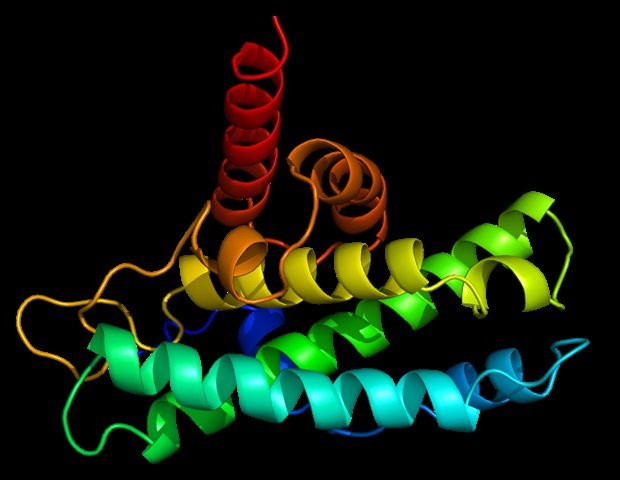
Monoclonal antibodies can block key immune-related proteins that cause widespread brain cell damage in Parkinson’s disease (PD). The protein, called glycoprotein non-metastatic melanoma B (GPNMB), may be part of a promising strategy to develop treatments that slow disease progression in its early stages, according to a new study published today, December 11, 2018. neuron, By researchers at the Perelman School of Medicine at the University of Pennsylvania.
Many people with Parkinson’s disease are diagnosed in the early stages, when symptoms are relatively mild, and there is currently no treatment to slow the disease’s progression. These early results are a promising step toward developing this type of therapy. ”
Alice Chen Plotkin, MD, first author, Parker Family Professor of Neurology
How does Parkinson’s disease spread to the brain?
More than 1 million people in the United States have PD, and approximately 90,000 new cases are diagnosed each year. Although the exact cause of the disease is still unknown, scientists have long known that PD spreads throughout the brain in stages.
This progression is caused by an abnormal clump of a nerve protein called alpha-synuclein. These clumps accumulate within affected neurons, contributing to neuron dysfunction and death, and are then released and taken up by nearby healthy neurons. As this pathology travels through different brain regions, patients experience worsening of the symptoms that characterize PD, such as tremors, difficulty walking, and difficulty swallowing.
Although there are many drugs and treatments that can help improve PD symptoms, from a drug called levodopa to deep brain stimulation delivered via implanted electrodes, there are no existing treatments that can slow the progression of PD.
Identifying immune cells as an unexpected therapy
In an earlier study published in 2022, Chen‑Plotkin and colleagues identified GPNMB as a key molecule involved in the interneuronal spread of alpha-synuclein pathology, making it an attractive therapeutic target.
In this new study, researchers discovered that microglia, the brain’s resident immune cells, are a major source of GPNMB associated with Parkinson’s disease. When microglia approach damaged or dying neurons, they produce an increased amount of GPNMB. Enzymes then separate the protein from the cell surface and release some of it, allowing it to move freely between cells.
In preclinical experiments using cultured neurons, Chen-Plotkin developed an antibody that blocks GPNMB, preventing alpha-synuclein pathology from spreading from cell to cell.
“These results suggest that Parkinson’s disease may be caused by a self-reinforcing cycle: alpha-synuclein accumulates in neurons and damages them. Damage to neurons initiates the release of GPNMB, which accelerates the spread of alpha-synuclein and leads to further damage,” Chen‑Plotkin said. “By interrupting this cycle, we hope to be able to slow or even stop the spread of alpha-synuclein through the brain and the subsequent neurodegeneration.”
Charting potential pathways to disease-modifying therapies
To assess the relevance of these findings in people, the team analyzed tissue from 1,675 brains from the Penn Brain Bank. Individuals with genetic variants associated with increased GPNMB production have a broader range of alpha-synuclein pathology, providing strong human evidence that this protein plays a central role in disease progression. Furthermore, elevated GPNMB levels were not associated with markers of other neurodegenerative diseases such as Alzheimer’s disease.
“While these results are promising for laboratory models and human brain tissue analysis, there is still much work to be done before this therapy can be applied to humans,” Chen-Plotkin said. “That said, these results are encouraging as we continue to work towards new treatments for PD.”
This research was supported by the National Institutes of Health (R37 NS115139, P30 AG010124, U19 AG062418, P01 AG084497), SPARK‑NS, the Parker Family Chair, and the Lipman Family Foundation.
sauce:
University of Pennsylvania School of Medicine
Reference magazines:
Carcel-Cordon, M. Others. (2026). Secreted GPNMB promotes fibrillar α-synuclein uptake in a non-cell autonomous process that can be blocked by anti-GPNMB antibodies. neuron. DOI: 10.1016/j.neuron.2026.04.033. https://www.cell.com/neuron/fulltext/S0896-6273(26)00328-4
