

Close Menu

    Subscribe to Updates

    Get the latest creative news from FooBar about art, design and business.

    What's Hot

    The universe’s largest black holes could form through violent mergers

    May 8, 2026

    Interstellar comet 3I/ATLAS contains strange water never before seen in our solar system

    May 8, 2026

    What scientists discover in coral reefs could change the future of medicine

    May 8, 2026
    Facebook X (Twitter) Instagram
    Facebook X (Twitter) Instagram
    Health Magazine
    • Home
    • Environmental Health
    • Health Technology
    • Medical Research
    • Mental Health
    • Nutrition Science
    • Pharma
    • Public Health
    • Discover
      • Daily Health Tips
      • Financial Health & Stability
      • Holistic Health & Wellness
      • Mental Health
      • Nutrition & Dietary Trends
      • Professional & Personal Growth
    • Our Mission
    Health Magazine
    Home » News » Studies have linked muscle loss, decreased grip strength, and decreased walking speed to increased stroke risk.
    Discover

    Studies have linked muscle loss, decreased grip strength, and decreased walking speed to increased stroke risk.

    healthadminBy healthadminMay 8, 2026No Comments5 Mins Read
    Studies have linked muscle loss, decreased grip strength, and decreased walking speed to increased stroke risk.
    Share
    Facebook Twitter Reddit Telegram Pinterest Email


    Muscle loss, decreased grip strength and decreased walking speed were associated with increased risk of stroke in adults, according to a new study published today. strokea peer-reviewed scientific journal of the American Stroke Association, a division of the American Heart Association.

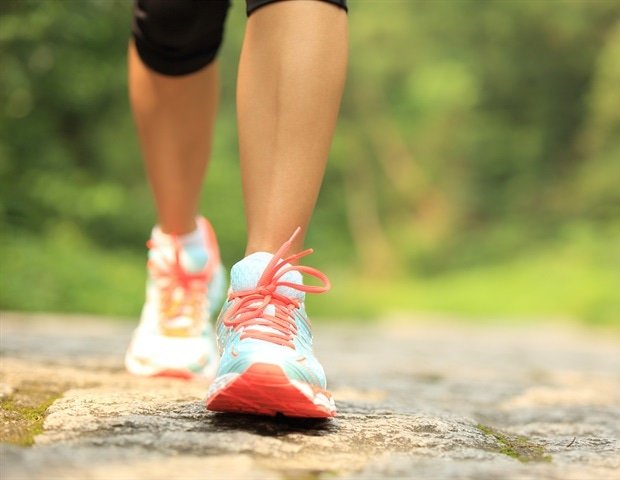
    The study found that people with low muscle strength had a 30% higher risk of any type of stroke. 31% higher risk of ischemic stroke. and a 41% increased risk of hemorrhagic stroke. Poor grip strength makes you 7% more likely to have a stroke. They found that walking at a slower pace increased the risk of stroke by 64% compared to walking faster.

    In clinical practice, it is often observed that patients with lower levels of physical functioning tend to have worse overall health. However, these physical function indicators are not currently routinely incorporated into stroke risk assessment. ”


    Lu-sha Tong, MD, study author, neurologist at the Second Affiliated Hospital of Zhejiang University School of Medicine, Hangzhou, China

    Researchers looked at the health data of more than 480,000 adults in the UK Biobank who had never had a stroke and found that lower measures of muscle strength, muscle loss and walking speed were associated with a higher risk of having a stroke.

    “As people age, they often lose strength and muscle mass. This loss is associated with increased stroke risk because it indicates decreased physical health, chronic inflammation, and metabolic changes. Muscle weakness can be an early warning sign of increased stroke risk,” she said.

    Tong also pointed out that findings on gait speed show a stronger and more consistent association with stroke risk than grip strength. “Walking speed may be a good sign of your overall health.”

    “Our findings suggest that rapid standardized screening of physical functions such as grip strength and gait speed may help identify adults at high risk of stroke and support early prevention strategies,” she said.

    According to the American Heart Association’s Heart Disease and Stroke Statistics – 2026 Update, stroke is the fourth leading cause of death in the United States and the leading cause of long-term disability.

    The analysis revealed the following:

    • Approximately 4.7% of study participants were likely to have experienced muscle loss, and 0.4% had confirmed muscle loss.
    • People who were more likely to have muscle weakness (lower muscle strength) had a 30% higher risk of any type of stroke. 31% higher risk of ischemic stroke. and a 41% increased risk of hemorrhagic stroke.
    • Adults with documented muscle loss were older (mean age 60.8 vs. 56.3 years, respectively), had fewer males (31.6% vs. 45.8%, respectively), had a lower BMI (mean BMI 21.0 vs. 27.4, respectively), and had less than college education compared to adults without muscle loss.
    • Among the 11,814 participants who had a stroke, those with muscle loss had a higher mortality rate, with an approximately 25% increase in mortality and an approximately 46% increase in confirmed cases compared with those without muscle loss.
    • Poor grip strength makes you 7% more likely to have a stroke.
    • They found that walking at a slower pace increased the risk of stroke by 64% compared to walking faster.
    • An analytical method that uses genetic variation to estimate the potential causal effects of genetic exposures, known as Mendelian randomization, showed that a faster walking pace was associated with a lower risk of stroke.

    Research details, background and design:

    • Researchers analyzed the health records of 482,699 adults (aged 37 to 73) with no history of stroke from the UK Biobank. The health data analyzed was from 2006 to 2022.
    • During a median follow-up of approximately 14 years, 11,814 stroke cases were recorded, including 9,449 ischemic (thrombus) and 2,029 hemorrhagic (hemorrhagic) strokes.
    • The average age of participants with and without muscle loss ranged from 56 to 61 years. 32% to 45% were male and mostly white adults.
    • Muscle strength was assessed using the European Working Group on Sarcopenia in Older People (EWGSOP2) guidelines for older adults.
    • Muscle loss (sarcopenia) was defined as age-related loss of muscle mass. Grip strength was measured using a standard hand-held dynamometer. This was determined based on grip strength measurements with gender-specific thresholds of 27 kg (60 lbs) for men and 16 kg (35 lbs) for women. Gait speed was self-reported as slow, average, or fast.
    • Low muscle strength was an indication of “possible sarcopenia,” and low muscle quantity and quality (measured with a body composition analyzer) confirmed sarcopenia.

    This study has several strengths. It includes a large number of participants, uses a prospective design, and combines observational and genetic analyses. However, there are some limitations. The researchers were unable to control for several factors that could confound the results, such as relying on self-reported data for certain variables. Additionally, participants were healthy adults receiving regular treatment from the UK National Health Service, so the findings may not apply to everyone.

    sauce:

    american heart association

    Reference magazines:

    Sarcopenia, grip strength, walking pace, and risk of new stroke: the UK Biobank study. stroke. DOI: 10.1161/STROKEAHA.125.052311


    Source link

    Visited 1 times, 1 visit(s) today
    Share. Facebook Twitter Pinterest LinkedIn Telegram Reddit Email
    Previous ArticleStudy finds that women are at higher risk of being injured in traffic accidents
    Next Article Nutrition and body image programs improve recovery for women with substance use disorders
    healthadmin

    Related Posts

    Study identifies genetic causes linked to risk of early-onset glaucoma

    May 8, 2026

    Compounds derived from garlic may help improve muscle strength during aging

    May 8, 2026

    Many patients with metastatic lung cancer still have no treatment options

    May 8, 2026

    Nutrition and body image programs improve recovery for women with substance use disorders

    May 8, 2026

    Study finds that women are at higher risk of being injured in traffic accidents

    May 8, 2026

    Burnout and stress drive doctors away from clinical medicine

    May 8, 2026
    Add A Comment
    Leave A Reply Cancel Reply

    Categories

    • Daily Health Tips
    • Discover
    • Environmental Health
    • Exercise & Fitness
    • Featured
    • Featured Videos
    • Financial Health & Stability
    • Fitness
    • Fitness Updates
    • Health
    • Health Technology
    • Healthy Aging
    • Healthy Living
    • Holistic Healing
    • Holistic Health & Wellness
    • Medical Research
    • Medical Research & Insights
    • Mental Health
    • Mental Wellness
    • Natural Remedies
    • New Workouts
    • Nutrition
    • Nutrition & Dietary Trends
    • Nutrition & Superfoods
    • Nutrition Science
    • Pharma
    • Preventive Healthcare
    • Professional & Personal Growth
    • Public Health
    • Public Health & Awareness
    • Selected
    • Sleep & Recovery
    • Top Programs
    • Weight Management
    • Workouts
    Popular Posts
    • 1773313737_bacteria_-_Sebastian_Kaulitzki_46826fb7971649bfaca04a9b4cef3309-620x480.jpgHow Sino Biological ProPure™ redefines ultra-low… March 12, 2026
    • the-pros-and-cons-of-paleo-dietsThe Pros and Cons of Paleo Diets: What Science Really Says April 16, 2025
    • pexels-david-bartus-442116The food industry needs to act now to cut greenhouse… January 2, 2022
    • Improve Mental Health10 Science-Backed Practices to Improve Mental Health… March 11, 2025
    • 1773729862_TagImage-3347-458389964760995353448-620x480.jpgDespite safety concerns, parents underestimate the… March 17, 2026
    • 1773209206_futuristic_techno_design_on_background_of_supercomputer_data_center_-_Image_-_Timofeev_Vladimir_M1_4.jpegMulti-agent AI systems outperform single models… March 11, 2026

    Demo
    Stay In Touch
    • Facebook
    • Twitter
    • Pinterest
    • Instagram
    • YouTube
    • Vimeo
    Don't Miss

    The universe’s largest black holes could form through violent mergers

    By healthadminMay 8, 2026

    Scientists studying gravitational waves believe they may have discovered how the universe creates its largest…

    Interstellar comet 3I/ATLAS contains strange water never before seen in our solar system

    May 8, 2026

    What scientists discover in coral reefs could change the future of medicine

    May 8, 2026

    Scientists discover natural compounds that affect coronavirus from every angle

    May 8, 2026

    Subscribe to Updates

    Get the latest creative news from SmartMag about art & design.

    HealthxMagazine
    HealthxMagazine

    At HealthX Magazine, we are dedicated to empowering entrepreneurs, doctors, chiropractors, healthcare professionals, personal trainers, executives, thought leaders, and anyone striving for optimal health.

    Our Picks

    Scientists discover natural compounds that affect coronavirus from every angle

    May 8, 2026

    Study identifies genetic causes linked to risk of early-onset glaucoma

    May 8, 2026

    Compounds derived from garlic may help improve muscle strength during aging

    May 8, 2026
    New Comments
      Facebook X (Twitter) Instagram Pinterest
      • Home
      • Privacy Policy
      • Our Mission
      © 2026 ThemeSphere. Designed by ThemeSphere.

      Type above and press Enter to search. Press Esc to cancel.