


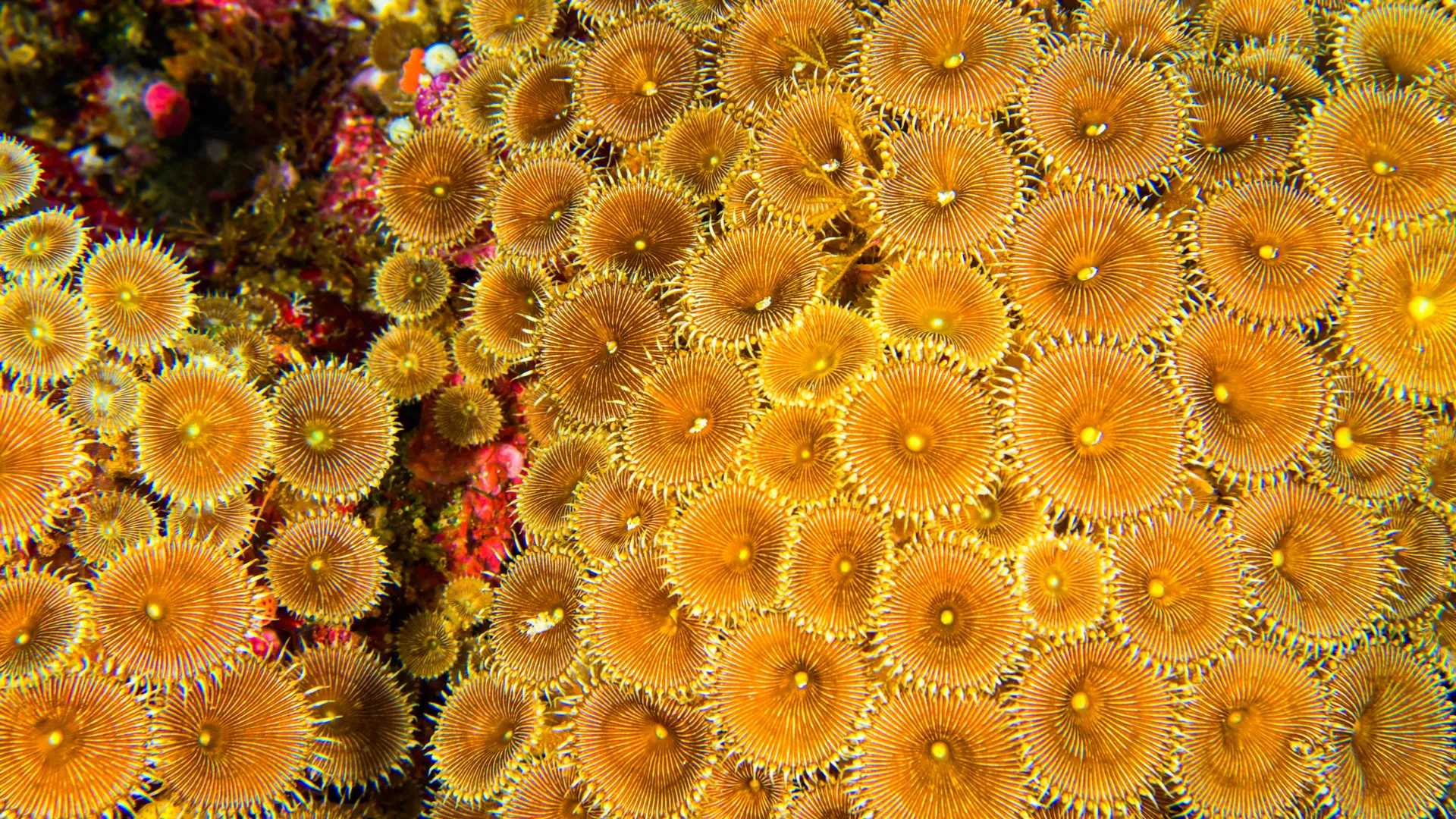
An international team of scientists has uncovered new details about coral ecosystems, showing that each coral species harbors a unique microbial community. These discoveries reveal previously unseen layers of diversity within coral reefs.
The study, which included scientists from the University of Galway, found that coral reefs are home to a wide range of microorganisms that produce chemicals that have the potential to be used in medicine and biotechnology. This study nature.
Coral reefs and their invisible diversity
Coral reefs, often described as the rainforests of the ocean, support about a third of all visible marine life. These are important biodiversity hotspots and provide important services such as supporting tourism and supporting nutrient cycling in marine ecosystems.
But scientists now say much of their true diversity exists at the microscopic level. This hidden world, known as the microbiome, is invisible to the naked eye but plays a central role in the health and function of coral reefs.
Large-scale study of coral microbiota
With support from the Tara Pacific Consortium, researchers tested microbiome samples taken from 99 coral reefs on 32 islands in the Pacific Ocean. From this study, they reconstructed the genomes of 645 microbial species. More than 99% of these have never been genetically explained before.
These microorganisms are highly specialized partners that live in close symbiosis with their coral hosts. Many act as producers of bioactive compounds. Bioactive compounds are chemicals that affect biological processes and may have medical or industrial value.
The study also found that these coral-associated bacteria contain a broader range of biosynthetic gene clusters (genetic instructions for making natural compounds) than those recorded elsewhere in the ocean.
Big gaps in scientific knowledge
Dr Maggie Reddy, from the Ryan Institute at the University of Galway, highlighted how much remains unknown. “Comparing our findings with microorganisms found in other coral reef species reveals how little we still know. More than 4,000 microbial species have been identified, but only 10% have known genetic information, Less than 1% of species found only in Pacific samples are completely unstudied. This shows significant gaps in our understanding and highlights the need for more biodiversity surveys, especially in understudied regions.”
Coral reefs as a “molecular library”
The researchers highlighted an often overlooked aspect of conservation. When coral reefs are damaged or lost, the effects extend beyond visible marine life such as fish, sponges, and seaweed. It also means losing the vast “molecular libraries” linked to the microorganisms that live within them.
Further analysis of the newly identified enzymes and compounds suggests significant untapped potential for advances in biotechnology and medicine.
Possibilities of new enzymes and biotechnology
Professor Olivier Thomas of the Ryan Institute said: “The biosynthetic potential of the reef-forming coral microbiome rivals or exceeds that of traditional natural sources such as sponges. “Among bacteria that are biosynthetically rich in microorganisms, we have identified previously unknown coral symbiotic microorganisms (such as Acidobacteriota) that produce novel enzymes with potentially exciting biotechnological applications.”
“This study is a clear call to action to protect our coral reefs, not only for their value as unique ecosystems, but also to preserve the unique chemical diversity that enables future scientific advances.”
Global collaboration and future expeditions
The study involved researchers from the Ryan Institute’s Marine Biodiversity Laboratory, led by Dr Maggie Reddy and Professor Olivier Thomas, and collaborators from ETH Zurich. This research is part of the Tara Pacific Consortium, which focuses on understanding how the ocean is changing due to climate pressures.
Looking to the future, Dr Reddy and Professor Thomas will be participating in the Tara Coral Expedition in Papua New Guinea in June this year. With support from Tara Foundation and other partners, the expedition will collect new samples and investigate why some reef-building corals are more resilient to climate change.
Understanding the coral microbiome
The coral microbiome includes bacteria, archaea, fungi, viruses, and algae that live on and within coral tissue. Together, these organisms form a tightly connected system known as the holobiont, which is essential for coral survival and function.
The samples used in this study were collected during the Tara Island Pacific Expedition from 2016 to 2018. This effort has provided one of the most detailed maps to date of coral microbiota across a region that includes approximately 40% of the world’s coral reefs.
