

Close Menu

    Subscribe to Updates

    Get the latest creative news from FooBar about art, design and business.

    What's Hot

    New ‘Trojan horse’ obesity drug significantly accelerates weight loss in early trials

    May 7, 2026

    Insulet CEO details ‘Scrubs’ device promotion wins by increasing awareness and educational motivation

    May 7, 2026

    Overcoming Healthcare Challenges: The Rise of Health Tech Innovations

    May 7, 2026
    Facebook X (Twitter) Instagram
    Facebook X (Twitter) Instagram
    Health Magazine
    • Home
    • Environmental Health
    • Health Technology
    • Medical Research
    • Mental Health
    • Nutrition Science
    • Pharma
    • Public Health
    • Discover
      • Daily Health Tips
      • Financial Health & Stability
      • Holistic Health & Wellness
      • Mental Health
      • Nutrition & Dietary Trends
      • Professional & Personal Growth
    • Our Mission
    Health Magazine
    Home » News » Reverse ecology approach reveals hidden complexity of the gut microbiome
    Discover

    Reverse ecology approach reveals hidden complexity of the gut microbiome

    healthadminBy healthadminMay 7, 2026No Comments4 Mins Read
    Reverse ecology approach reveals hidden complexity of the gut microbiome
    Share
    Facebook Twitter Reddit Telegram Pinterest Email


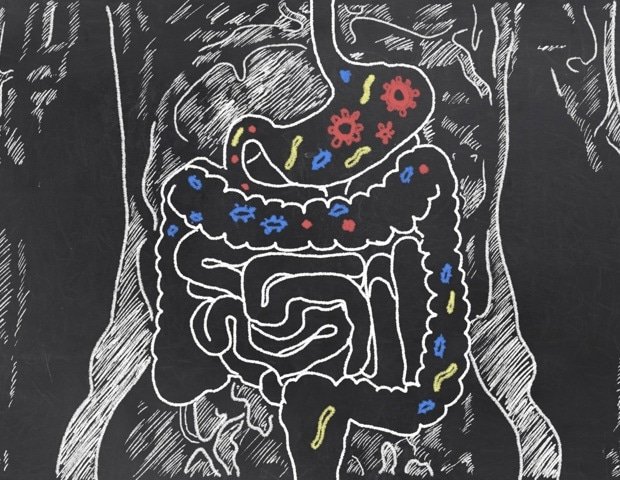
    The human gut is home to a complex ecosystem of trillions of microorganisms (microbiome) that influence digestion, immune system, and metabolism. Using a ‘reverse ecology’ analytical approach, a research team led by the University of Vienna demonstrated that many known species of gut bacteria are composed of several evolutionarily distinct groups that have adapted to different conditions in the gut. Some of these populations are associated with older age, chronic inflammatory bowel disease, colorectal cancer, and type 2 diabetes. The results of this research are currently nature In the future, the search for biomarkers will improve and may allow more accurate treatments in the long term.

    Microbiome studies typically classify bacteria into whole species or genetically similar groups. Although these categories are practical, they do not necessarily reflect populations adapted to different conditions within the human body. As a result, it often remains unclear which bacteria are associated with disease, are merely incidental, and which bacteria protect against disease. This raises an important question. Can we better identify the biological units that emerge through adaptation and occupy different ecological niches within the gut?

    About research

    The research team analyzed thousands of bacteria isolated from the human gut and extensive metagenomic data, or the complete genetic information of the microbial communities in the samples, from people from different countries and different age and health groups. Using newly developed bioinformatics methods within the framework of “reverse ecology” (an approach to infer ecological adaptation from genomic data), the researchers searched for the genetic signature of successful adaptations.

    multiple species

    Of particular interest were signs of so-called “genome-wide selective sweep,” a process in which individuals acquire beneficial mutations and thereby displace other closely related individuals. On the one hand, this leads to a loss of diversity. On the other hand, it produces a population of individuals that is very homogeneous both in terms of kinship and function, and therefore clearly stands out from each other in the dataset. Analysis has shown that many known enterobacterial species diverge into several such lineages. These populations appear to differ, particularly in the conditions in which they breed well. “Taking evolutionary adaptations into account, rather than simply counting species, allows us to more precisely identify biologically relevant units within the microbiome,” says lead author Xiaoqian Annie Yu from the Center for Microbial and Environmental Systems Sciences (CeMESS) at the University of Vienna. “Even within the same bacterial species, some populations occur more frequently than others in certain diseases. When all considered together, this often remains hidden.”

    spread around the world within a few decades

    The researchers also found evidence that competitive populations can spread rapidly across continents, sometimes within decades. Until now, such patterns have mainly been observed in pathogens.

    Our findings show that gut bacteria are also more dynamic than previously thought. Well-adapted strains can spread internationally and occupy new ecological niches. ”


    Martin F. Polz, University of Vienna

    This suggests that it is not just diet, medications, or lifestyle that shapes the microbiome, but infectious processes between people may also play an important role.

    A new perspective on medicine and diagnosis

    This study opens up new possibilities for microbiome research. In the future, it may be possible to specifically target populations that actually matter, rather than linking entire bacterial species to disease. This will improve the search for biomarkers and, in the long term, may enable more precise treatments, for example by specifically promoting beneficial bacterial strains or suppressing problematic bacterial strains. As a next step, the research team plans to investigate which genes distinguish the identified populations from each other and what biological functions are associated with them.

    summary

    • Many species of enteric bacteria are composed of several evolutionarily distinct populations.
    • Some of these populations are associated with aging, colorectal cancer, inflammatory bowel disease, and type 2 diabetes.
    • Successful strains can spread around the world within decades.
    • This approach may allow for more accurate diagnosis and more targeted microbiome treatments.

    sauce:

    Reference magazines:

    DOI: 10.1038/s41586-026-10476-w


    Source link

    Visited 1 times, 1 visit(s) today
    Share. Facebook Twitter Pinterest LinkedIn Telegram Reddit Email
    Previous ArticleUltra-processed foods are linked to increased cardiovascular disease and death
    Next Article Treated baby wrap may reduce malaria risk in refugee infants
    healthadmin

    Related Posts

    Targeted RAS inhibitors show promise against pancreatic cancer mutations

    May 7, 2026

    Older adults’ lifestyle predicts willingness to embrace smart home innovations

    May 7, 2026

    Airborne microbial contaminants can pose hidden respiratory health risks

    May 7, 2026

    Treated baby wrap may reduce malaria risk in refugee infants

    May 7, 2026

    Ultra-processed foods are linked to increased cardiovascular disease and death

    May 7, 2026

    Adolescents think cannabis is safer than alcohol, e-cigarettes and cigarettes

    May 6, 2026
    Add A Comment
    Leave A Reply Cancel Reply

    Categories

    • Daily Health Tips
    • Discover
    • Environmental Health
    • Exercise & Fitness
    • Featured
    • Featured Videos
    • Financial Health & Stability
    • Fitness
    • Fitness Updates
    • Health
    • Health Technology
    • Healthy Aging
    • Healthy Living
    • Holistic Healing
    • Holistic Health & Wellness
    • Medical Research
    • Medical Research & Insights
    • Mental Health
    • Mental Wellness
    • Natural Remedies
    • New Workouts
    • Nutrition
    • Nutrition & Dietary Trends
    • Nutrition & Superfoods
    • Nutrition Science
    • Pharma
    • Preventive Healthcare
    • Professional & Personal Growth
    • Public Health
    • Public Health & Awareness
    • Selected
    • Sleep & Recovery
    • Top Programs
    • Weight Management
    • Workouts
    Popular Posts
    • 1773313737_bacteria_-_Sebastian_Kaulitzki_46826fb7971649bfaca04a9b4cef3309-620x480.jpgHow Sino Biological ProPure™ redefines ultra-low… March 12, 2026
    • the-pros-and-cons-of-paleo-dietsThe Pros and Cons of Paleo Diets: What Science Really Says April 16, 2025
    • pexels-david-bartus-442116The food industry needs to act now to cut greenhouse… January 2, 2022
    • Improve Mental Health10 Science-Backed Practices to Improve Mental Health… March 11, 2025
    • 1773729862_TagImage-3347-458389964760995353448-620x480.jpgDespite safety concerns, parents underestimate the… March 17, 2026
    • 1773209206_futuristic_techno_design_on_background_of_supercomputer_data_center_-_Image_-_Timofeev_Vladimir_M1_4.jpegMulti-agent AI systems outperform single models… March 11, 2026

    Demo
    Stay In Touch
    • Facebook
    • Twitter
    • Pinterest
    • Instagram
    • YouTube
    • Vimeo
    Don't Miss

    New ‘Trojan horse’ obesity drug significantly accelerates weight loss in early trials

    By healthadminMay 7, 2026

    Researchers led by Helmholtz Munich’s metabolic expert Professor Timo D. Müller have developed a new…

    Insulet CEO details ‘Scrubs’ device promotion wins by increasing awareness and educational motivation

    May 7, 2026

    Overcoming Healthcare Challenges: The Rise of Health Tech Innovations

    May 7, 2026

    Elucidating the hidden effects of lithium on Alzheimer’s disease at the cellular level

    May 7, 2026

    Subscribe to Updates

    Get the latest creative news from SmartMag about art & design.

    HealthxMagazine
    HealthxMagazine

    At HealthX Magazine, we are dedicated to empowering entrepreneurs, doctors, chiropractors, healthcare professionals, personal trainers, executives, thought leaders, and anyone striving for optimal health.

    Our Picks

    Elucidating the hidden effects of lithium on Alzheimer’s disease at the cellular level

    May 7, 2026

    Hospital shooting, hantavirus is not a pandemic: Morning rounds

    May 7, 2026

    Scientists accidentally discover DNA that breaks the rules of life

    May 7, 2026
    New Comments
      Facebook X (Twitter) Instagram Pinterest
      • Home
      • Privacy Policy
      • Our Mission
      © 2026 ThemeSphere. Designed by ThemeSphere.

      Type above and press Enter to search. Press Esc to cancel.