


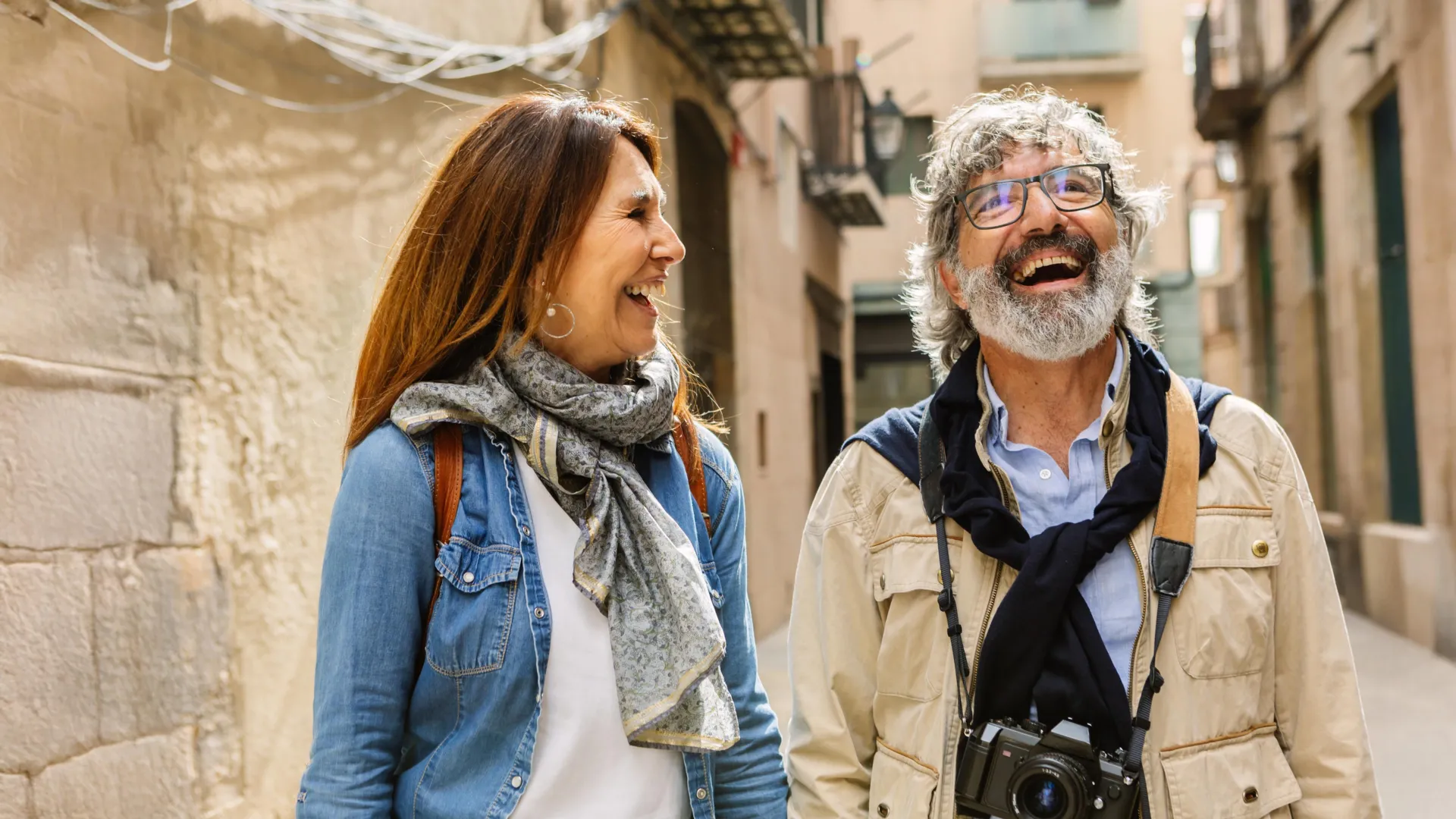
Retinol creams may get the most attention in the fight against visible aging, but researchers at Edith Cowan University (ECU) point to a bigger, more adventurous possibility: travel.
In interdisciplinary research in 2024, travel research journalECU researchers have applied entropy theory to tourism, proposing that positive travel experiences may support physical and mental health in a way that slows the signs of aging. The study does not suggest that travel can stop aging, but it does position tourism as more than just a break from everyday life. It can be a way to help maintain balance, resilience, and repair in the body.
How travel affects aging
Entropy is often described as the movement of the universe toward disorder. In the context of health, researchers suggest that experiences can either support or disrupt the body’s ability to maintain organization and function. Positive travel experiences can help reduce tendencies towards disorder, while stressful or unsafe travel can push the body in the opposite direction.
“Aging is an irreversible process. We can’t stop aging, but we can slow it down,” said ECU doctoral candidate Fanli Hu.
According to Hu, travel can improve happiness by exposing people to new environments, increasing mobility, increasing social interaction, and generating positive emotions. Similar ideas are already emerging in areas such as wellness tourism, health tourism, and yoga tourism.
“Tourism is not just leisure and recreation. It can also contribute to people’s physical and mental health,” Hu added.
Travel therapy and the body’s defense system
When viewed through the lens of entropy, travel therapy can be a meaningful health intervention, Hu said. The idea is that positive travel experiences as part of a person’s environment can influence four major body systems and help the body maintain a healthier, lower-entropy state.
Travel often combines unfamiliar surroundings with relaxing experiences. The new settings stimulate the body, increase metabolic activity, and help activate the self-organizing processes that keep biological systems functioning smoothly. These experiences may also promote the adaptive immune system, which helps the body recognize and respond to external threats.
Hu said this response improves the body’s ability to recognize and defend against external threats.
“Simply put, the self-defense system becomes more resilient. Hormones that help repair and regenerate tissues are released, which may enhance the function of the self-healing system.”
Stress relief, exercise, and healthy aging
Relaxing travel activities can also help reduce chronic stress and calm overactive immune responses. Recreation relieves tension and fatigue in muscles and joints, supports metabolic balance, and strengthens the body’s ability to resist wear and tear.
This is important because when you travel, you rarely sit still. Travel often involves exploring cities, hiking trails, climbing, cycling, or simply spending more time on your feet than usual. Such physical activity can increase metabolism, energy expenditure, and nutrient movement throughout the body, all of which may support the body’s repair and resilience systems.
“Participating in these activities can strengthen the body’s immune function and self-defense ability, and strengthen its resistance to external risks. Exercise can also improve blood circulation, promote nutrient transport, and help remove waste products to overall maintain an active self-healing system. Moderate exercise not only supports the body’s anti-wear system, but also benefits bones, muscles, and joints,” Hu said.
A field that is still taking shape
Since the 2024 study, related research has continued exploring travel therapy as a potential health and wellness approach. A 2025 research note by Hu et al. described travel therapy as a new approach where positive travel experiences can promote well-being, while also highlighting the need to weigh the benefits and risks.
Another paper in 2025 calls for closer collaboration between travel medicine and tourism, reflecting growing interest in how vacations, health risks, preventive medicine, and traveler health overlap. The 2025 systematic review also found that although tourism and healthy aging are becoming important interdisciplinary research areas, they remain underexplored and require stronger methods and clearer future research directions.
Taken together, these new findings support a cautious interpretation. Travel may offer real health-related benefits, especially when it includes transportation, social connection, novelty, and recovery, but researchers are still working to understand how strong those effects are and who benefits most.
The risks behind the benefits
The same study also warns that traveling doesn’t automatically make you healthy. Tourists may face infectious diseases, accidents, injuries, violence, unsafe food and water, and other risks associated with poor planning or poor travel choices.
“On the contrary, tourism can be accompanied by negative experiences that can lead to health problems, in parallel with processes that promote entropy growth. A prominent example is the public health crisis caused by COVID-19.”
The central message is that no amount of travel will slow down aging. Rather, positive travel experiences can improve physical and mental function through a combination of novelty, relaxation, physical activity, and social connection. If your trip is safe, rejuvenating, and active, it may do more than create memories. It may help support healthy aging from the inside out.
