


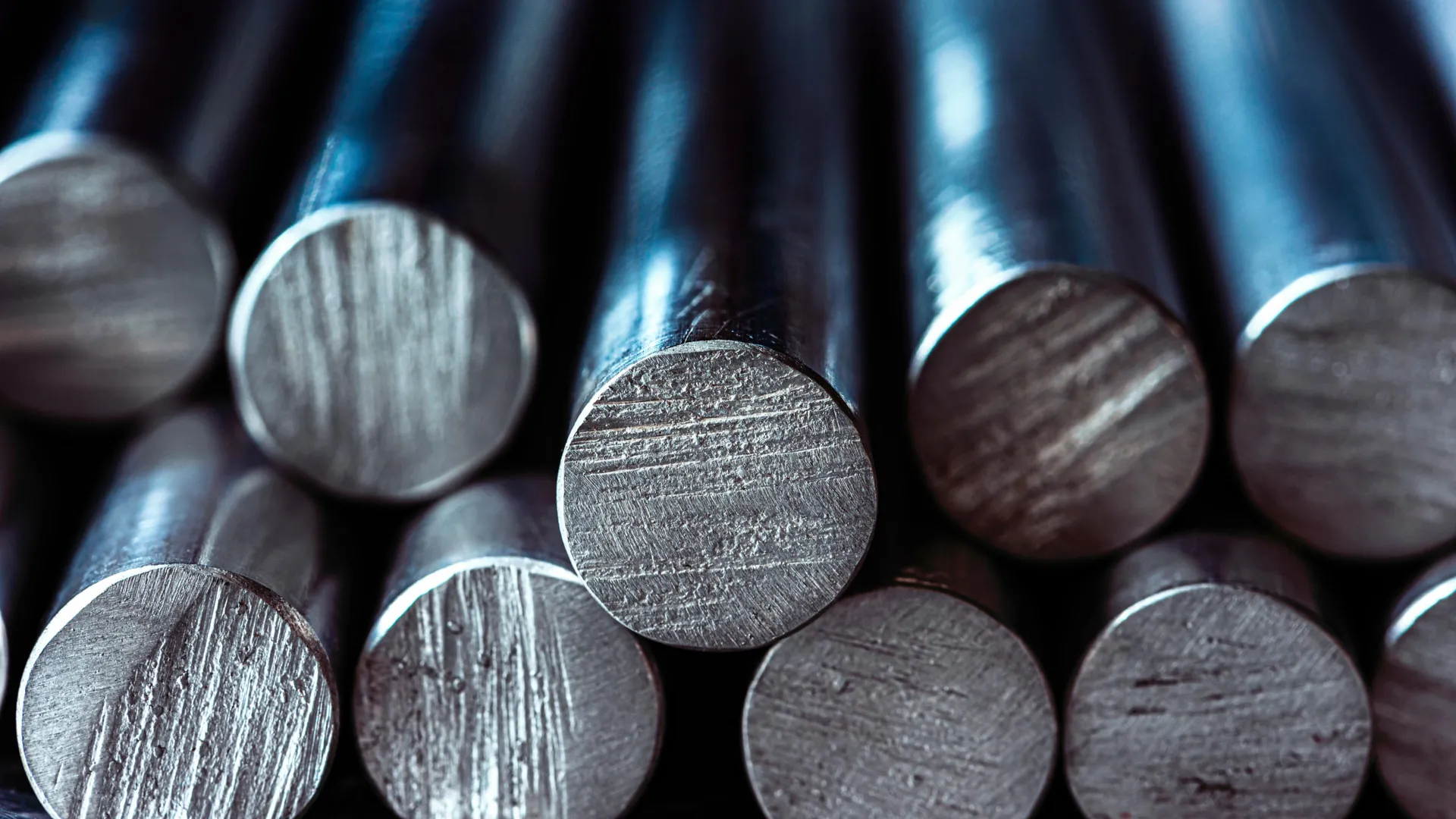
A team of scientists from King’s College London has identified a new form of aluminum, one of the most abundant metals on Earth, that could provide a much cheaper and more sustainable alternative to widely used rare earth metals.
Under the guidance of Dr Claire Bakewell, a senior lecturer in the Department of Chemistry, the researchers created highly reactive aluminum molecules that can break some of the strongest chemical bonds. Their findings were; nature communicationsentirely new molecular structures are also revealed, opening the door to previously unknown types of chemical behavior.
Discovering a unique aluminum structure
Researchers have reported the first known example of cyclotrialmane, a compound consisting of three aluminum atoms arranged in a trimeric (triangular) structure. This unusual configuration exhibits remarkable reactivity. Importantly, the structure remains intact when dissolved in a variety of solutions, providing the stability required for various chemical reactions.
These reactions allow for the splitting of dihydrogen and the stepwise insertion and chain growth of ethene, a simple two-carbon hydrocarbon. Such abilities highlight the potential of compounds to build more complex molecules.
Alternatives to expensive and rare metals
Metals play a central role in the production of both everyday and specialty chemicals used throughout industry. Many of these processes rely on precious metals, such as platinum, which are expensive and whose extraction can have significant environmental impacts.
Scientists have been searching for more accessible and more sustainable alternatives. Dr Claire Bakewell explained: “Transition metals are workhorses in chemical synthesis and catalysis, but many of the most useful metals are becoming increasingly difficult to obtain and extract, and are often located in politically volatile regions, driving up demand and prices.
“Chemists are looking at more common elements from the periodic table, and we chose aluminum because it is extremely abundant and about 20,000 times cheaper than precious metals such as platinum and palladium.”
Expanding the possibilities of aluminum chemistry
In addition to designing aluminum compounds for use in chemical synthesis, the team is discovering entirely new reactions.
Dr Bakewell said: “What’s special about this work is that we are pushing the boundaries of chemical knowledge. Most excitingly, we are using this aluminum trimer to construct entirely new compounds with a level of reactivity never before observed. “This includes five- and seven-membered rings of aluminum and carbon formed by reaction with ethene. These capabilities go beyond those of the transition metals we were originally trying to emulate and reach the forefront of chemical research.”
This new chemistry allows scientists to develop new reaction types and assemble larger molecular structures with unique properties, potentially leading to new materials and products.
Aiming to produce cleaner and cheaper chemical products
Bakewell stressed that the research is still in its early stages but shows great promise.
She said: “We are really in the exploration phase, just beginning to unlock the potential of Earth’s abundant materials.
“But from what we’ve already seen, this chemistry has the potential to support the transition to cleaner, greener, and cheaper chemical production while making new discoveries along the way.”
